What is the Difference Between a Countersink and a Counterbore?
Learn the critical difference between countersinks (conical) and counterbores (cylindrical) for screws/bolts. Avoid project failures with proper hole selection, drilling, and symbol reading.
What is Electromagnetic Interference (EMI)?

Understand & combat EMI: the invisible force disrupting electronics from TVs to spacecraft. Learn shielding, suppression & compliance strategies for reliable device performance.
How Is a Microprocessor Different from an Integrated Circuit?
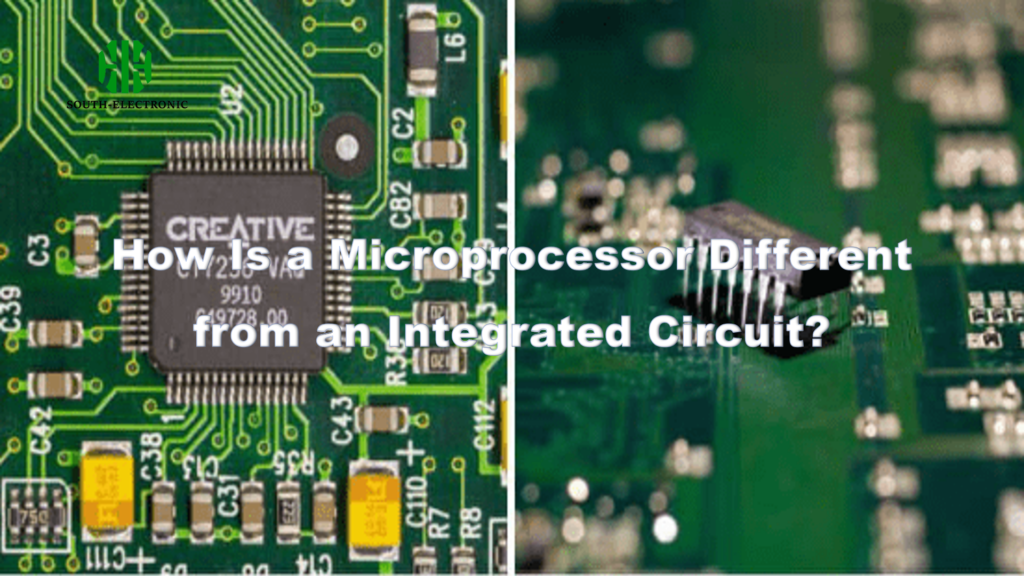
Microprocessors are computational ICs acting as device CPUs. Other integrated circuits (memory, PMIC, analog) perform non-computational roles like power regulation or signal conversion.
What Is Any Layer PCB?
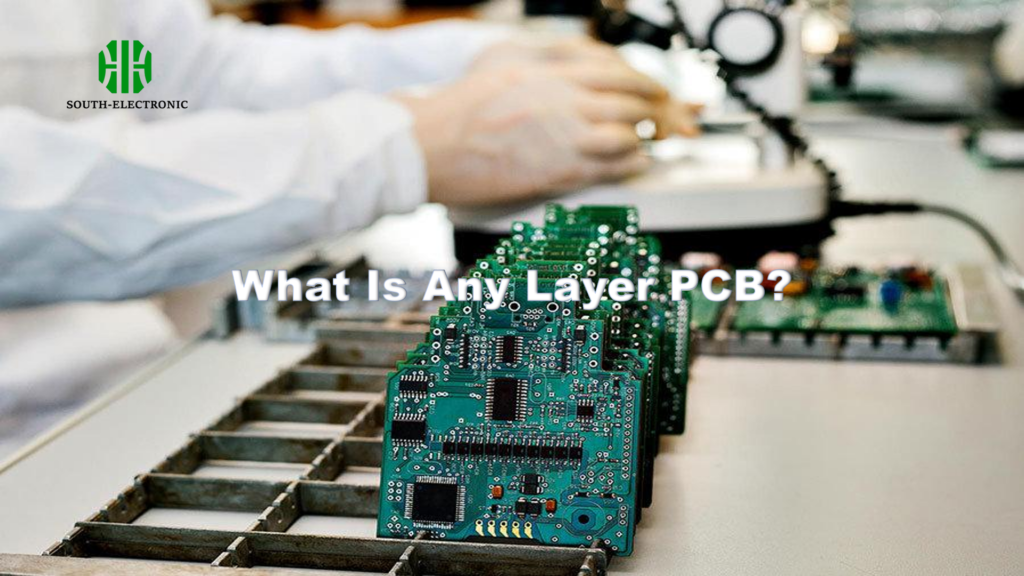
Any Layer PCBs enable ultra-thin electronics via stacked microvias, powering 5G devices, wearables, and medical implants with superior signal integrity.
What Are the differences between FR1, FR2, FR3 and FR4?
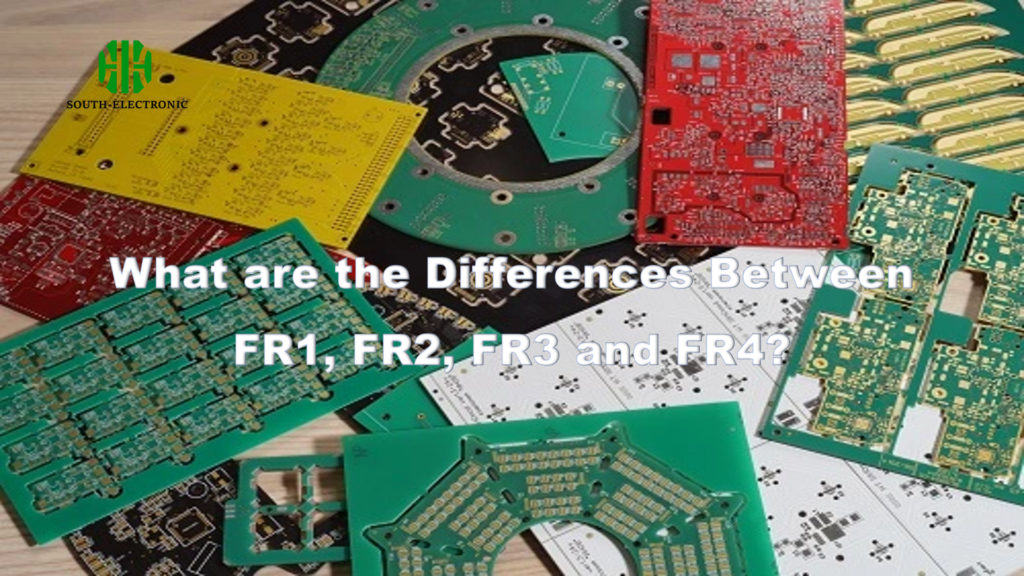
FR1-FR4 PCBs differ in thermal stability, electrical performance, and cost. FR4 excels in high-frequency applications; FR1 for basic low-cost projects.
Are you worried about PCB manufacturability? Solve all the problems at once today!

PCB manufacturability focuses on assembly methods, component layout, paneling, testability, and automation considerations to enhance production efficiency, quality, and cost-effectiveness.
What are Electroplated Gold, Hard Gold, Soft Gold, Chemical Gold, and Flash Gold in PCB?
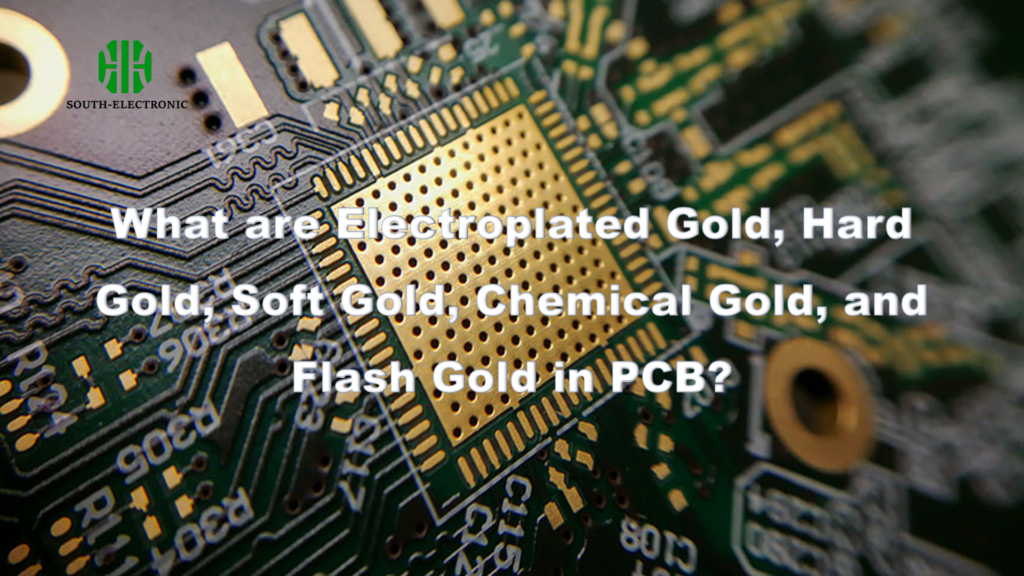
Hard gold (alloy) and soft gold (pure) differ in PCB applications. Electroplating vs. ENIG affects durability. Flash gold is a thin, cost-effective plating method.
Can you draw multi-layer PCB after learning it once?
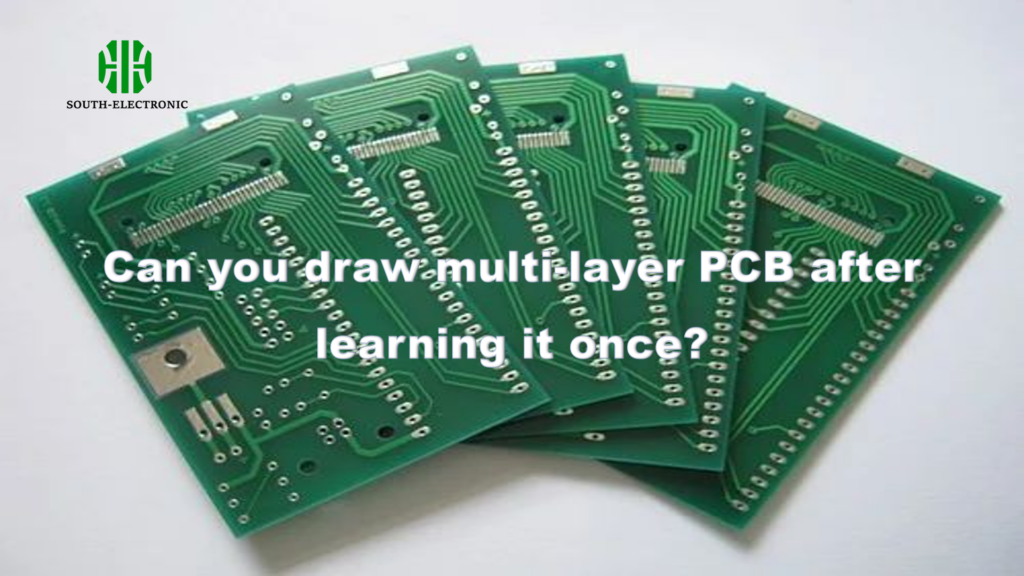
Master multi-layer PCB design with a modular layout approach: fix components precisely, use schematic-PCB interaction & split-screen workflows for efficient, structured design.
What Is a PCB Netlist?
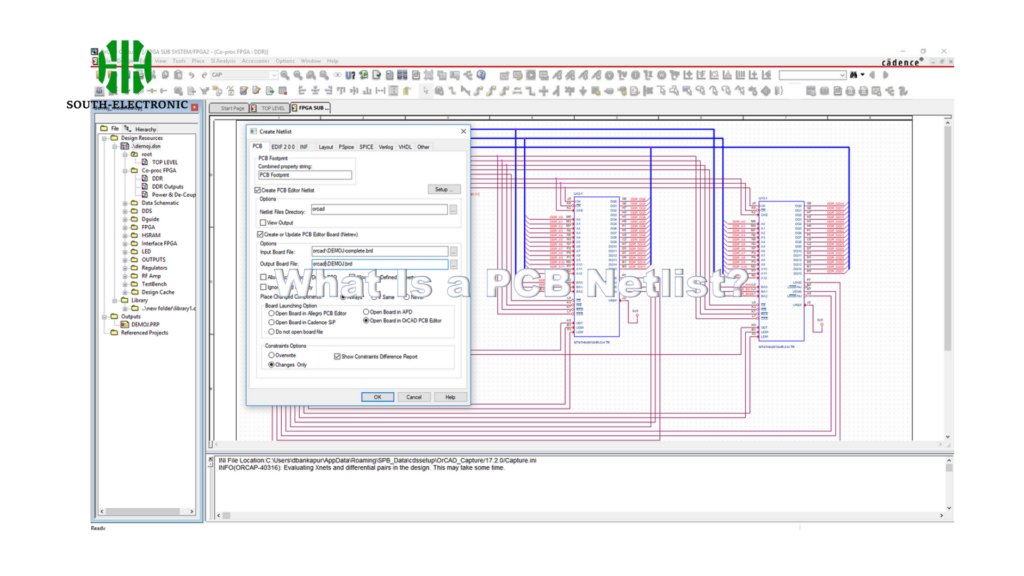
PCB netlists act as circuit DNA—prevent errors by defining connections between components. Master verification, formats (SPICE/EDIF), and avoid costly prototyping mistakes.
How to Achieve Target PCB Impedance Control?
Master PCB impedance control with precise trace geometry, dielectric materials, and layer spacing adjustments to eliminate signal distortion in high-speed designs.