How to Dissipate Heat from PCB?
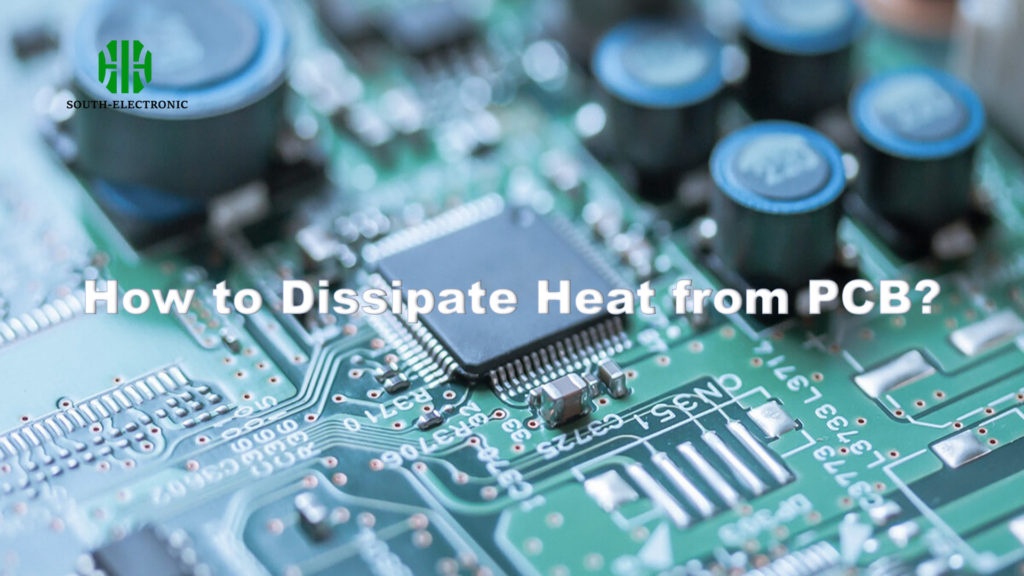
Effective PCB heat dissipation methods include thermal vias, copper cladding, strategic component layout, heatsinks, and airflow optimization to prevent hotspots.
Open Circuit vs Short Circuit: How Do We Fix It?
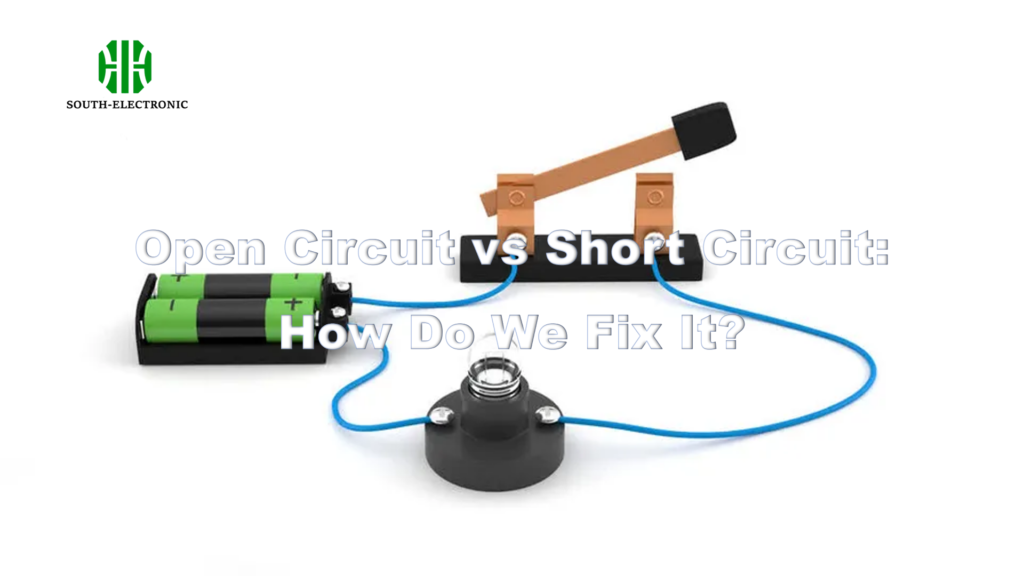
Spot open vs short circuits: visual signs, safe repairs, smart prevention. Electrician insights to prevent fires and fix electrical issues.
What Is the Difference Between IPC Level 2 and IPC Level 3?

IPC Class 2 vs Class 3: Key manufacturing standards, defect tolerances, industry uses, and cost differences for electronics reliability.
How to design high voltage PCB?
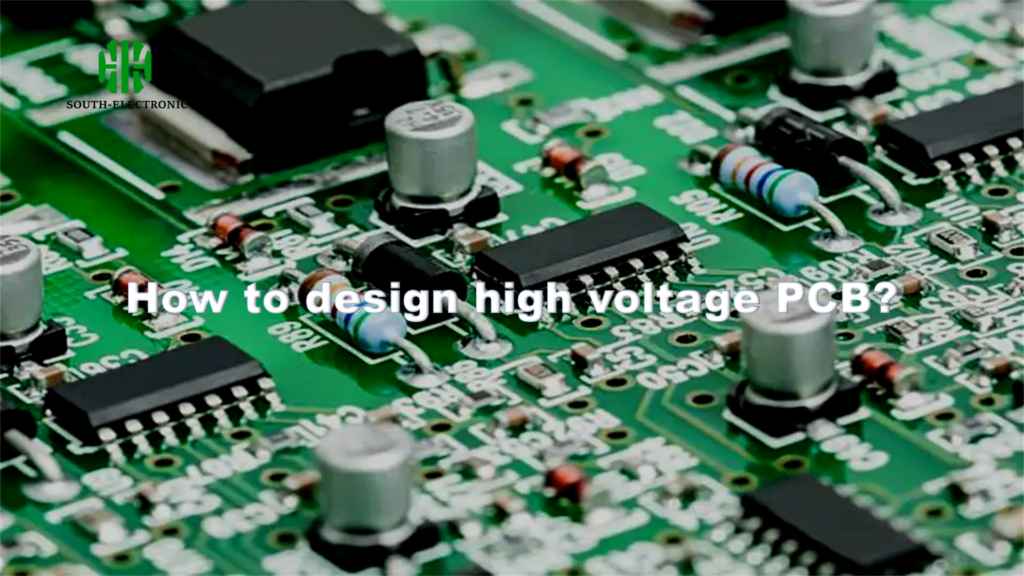
High voltage PCB design guide: material selection, creepage/clearance rules, insulation strategies, compliance standards, and testing methods for safety.
How to Test a Diode With a Multimeter?
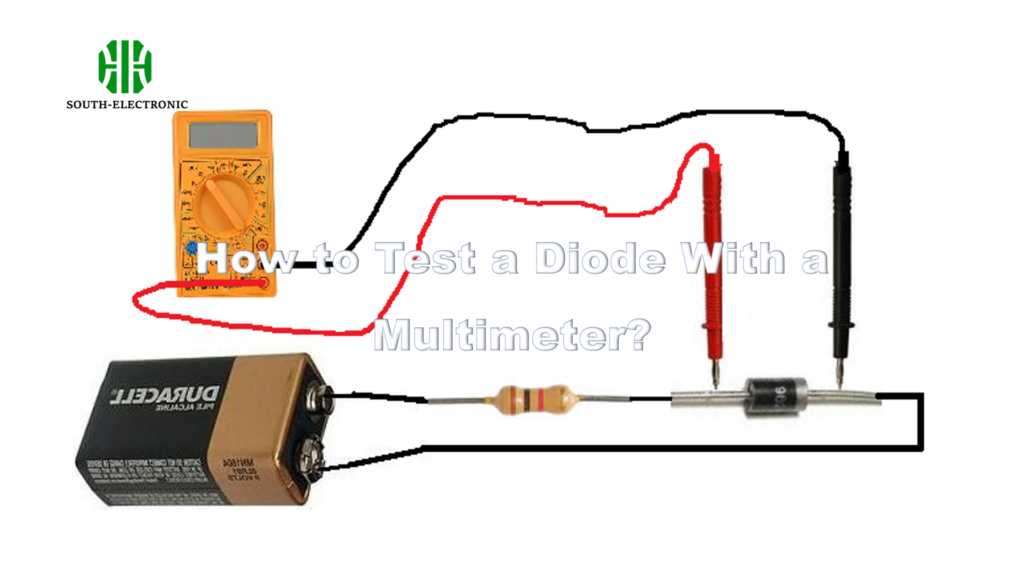
Learn to test diodes with a multimeter: use diode mode, check 0.6-0.7V forward bias, OL reverse. Avoid common mistakes & identify faults.
Why Are PCB Spring Contacts So Important?
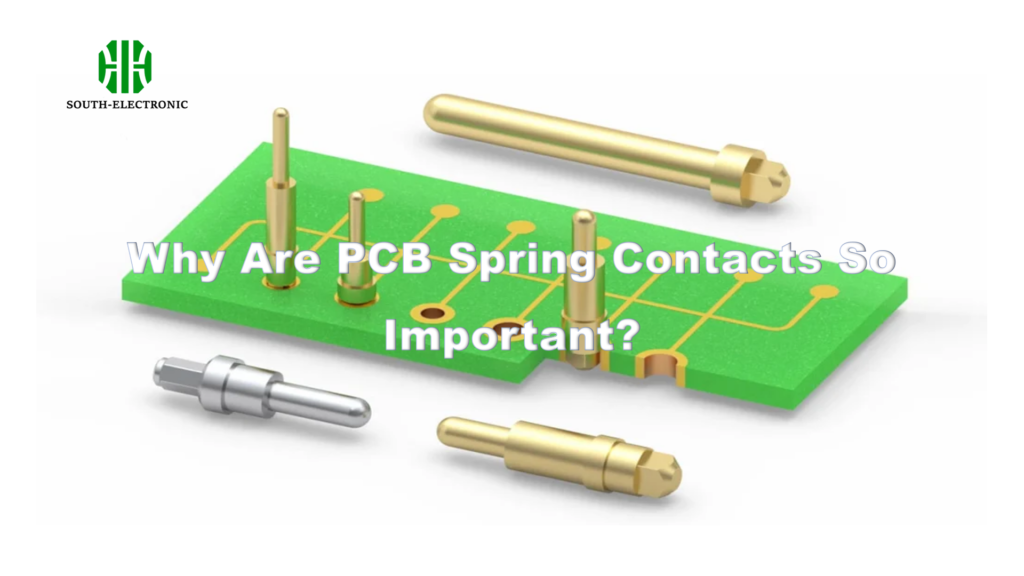
PCB spring contacts enable durable, gas-tight connections for reliable signal integrity and space-saving designs in high-frequency electronics.
What is the load current in the PCB circuit?
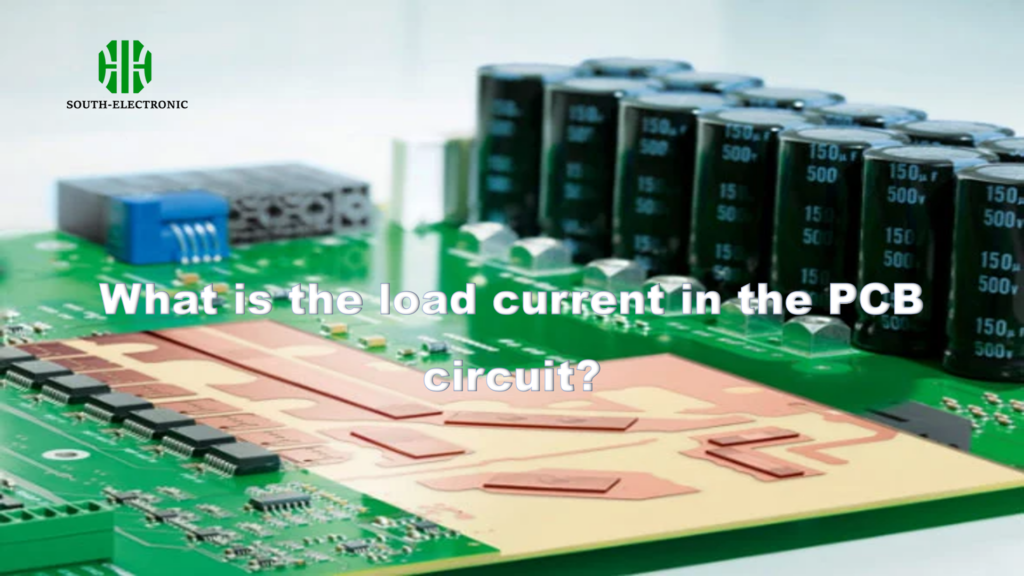
Master PCB reliability with load current insights: calculation methods, thermal management, and power supply selection to prevent critical failures.
How to Design a Multi-Stage Amplifier?

Master multi-stage amplifier design: strategic stage selection, gain-bandwidth optimization, impedance matching, power management, and rigorous testing.
What Is a Vero Board in PCB Design?
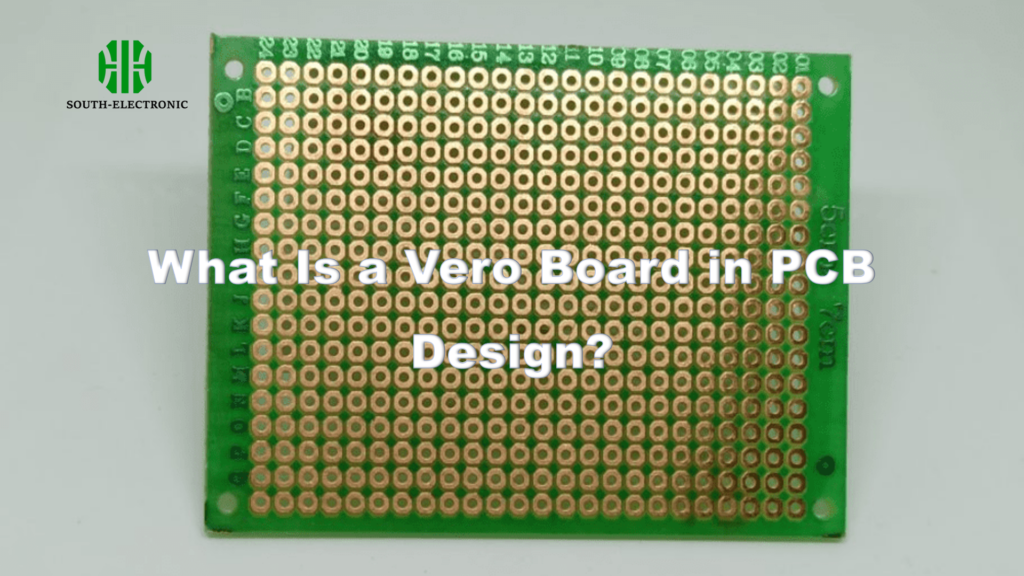
Vero boards bridge breadboards and PCBs for durable, cost-effective prototypes. Learn their advantages, soldering techniques, and design best practices.
What Is Copper Foil PCB?
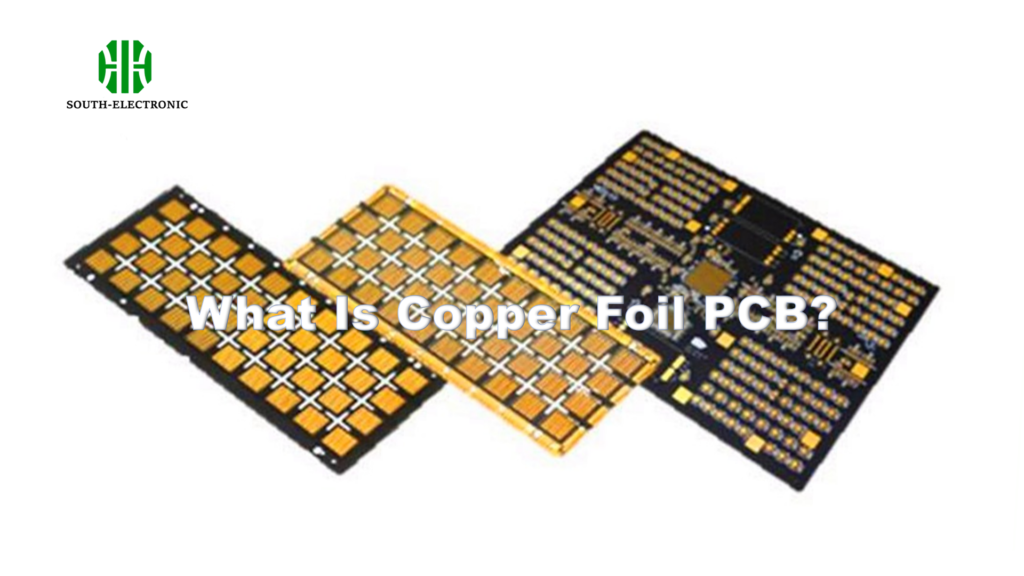
Copper foil PCB guide: types (rolled vs. electrodeposited), thickness impacts on current/heat, manufacturing defects, and quality testing for optimal circuit performance.