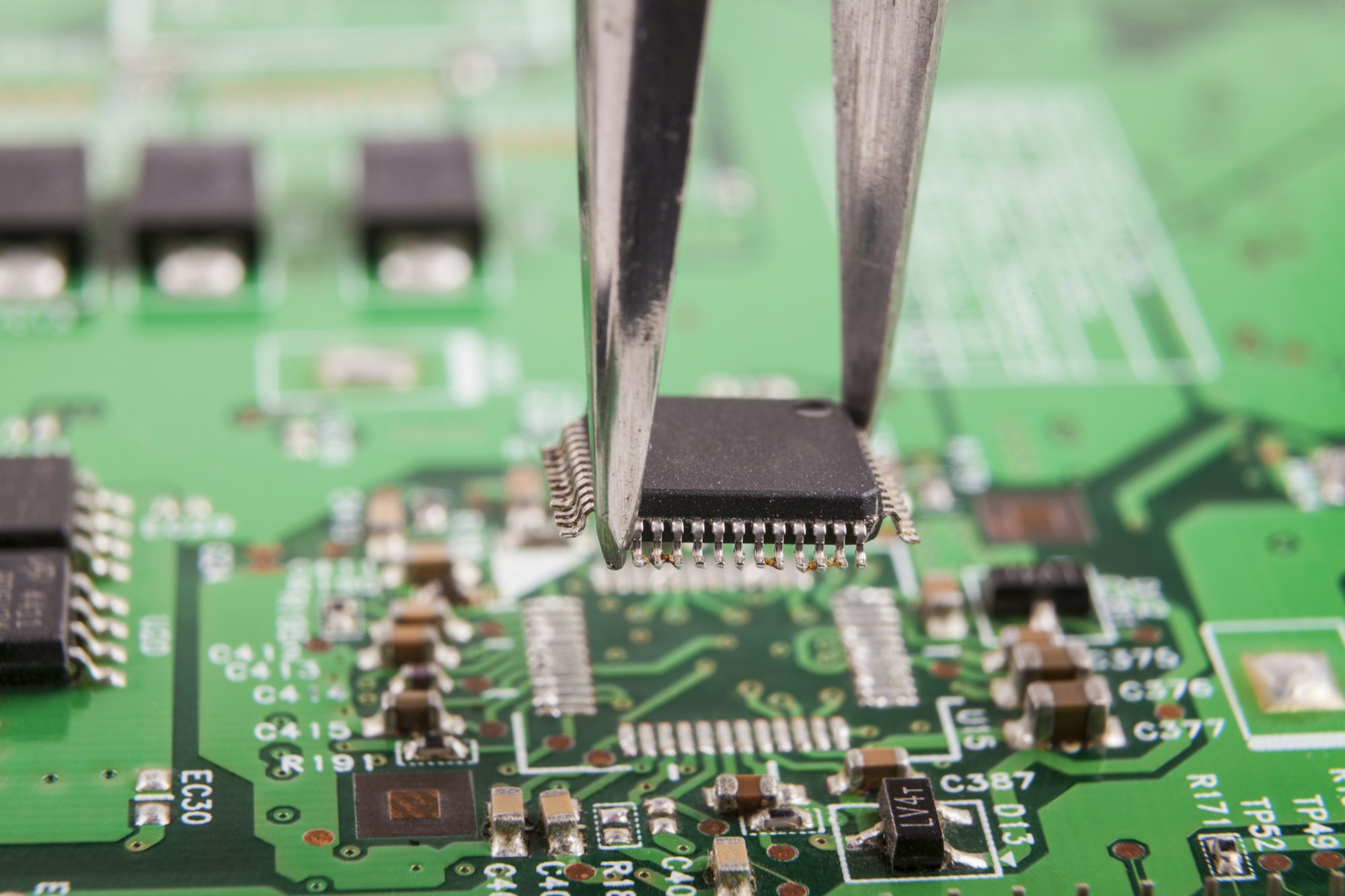
What is Lead Free PCB?
Lead-free PCBs meet RoHS using SAC305 alloys, requiring precise thermal management and design changes for reliable, eco-friendly electronics manufacturing.
What is PCB in Solar?
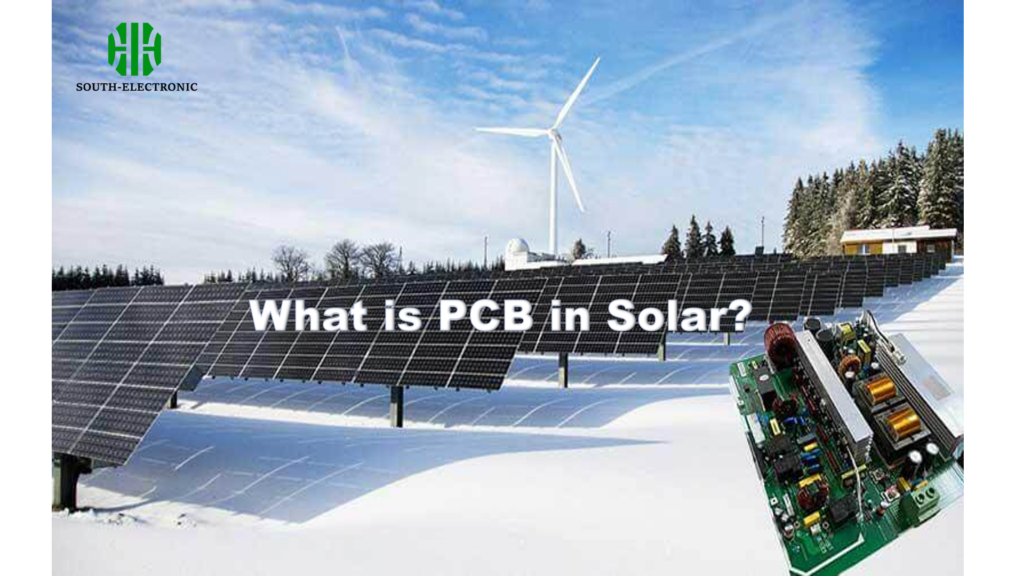
Solar PCBs use heat-resistant materials, AI-optimized designs, and rugged engineering to maximize renewable energy efficiency in extreme conditions.
How Flying Probe Testing Works for PCB Assembly?
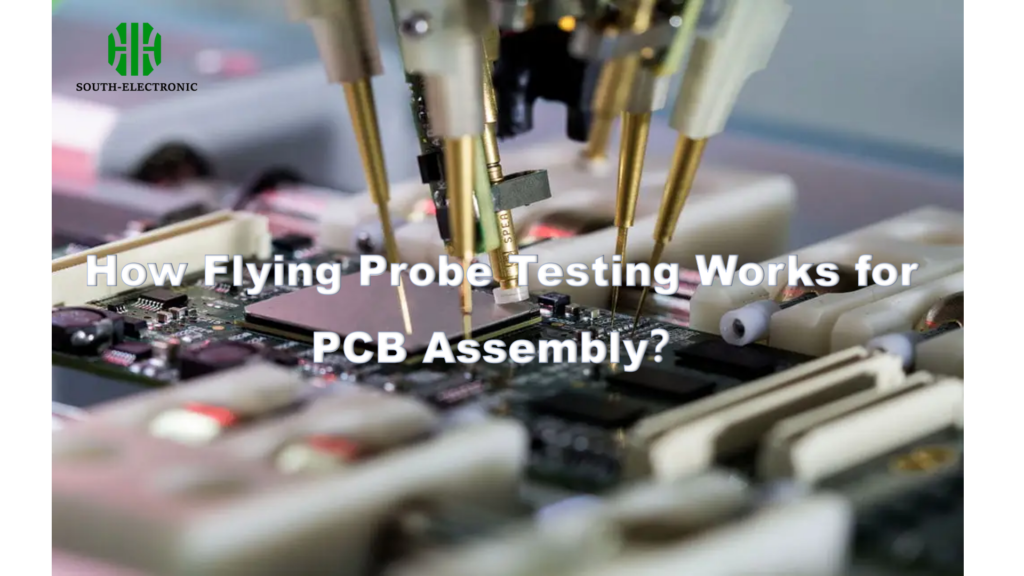
Flying probe testing ensures PCB quality via robotic probes, offering cost-effective, precise electrical validation for prototypes and small batches.
What Causes PCB Warpage?
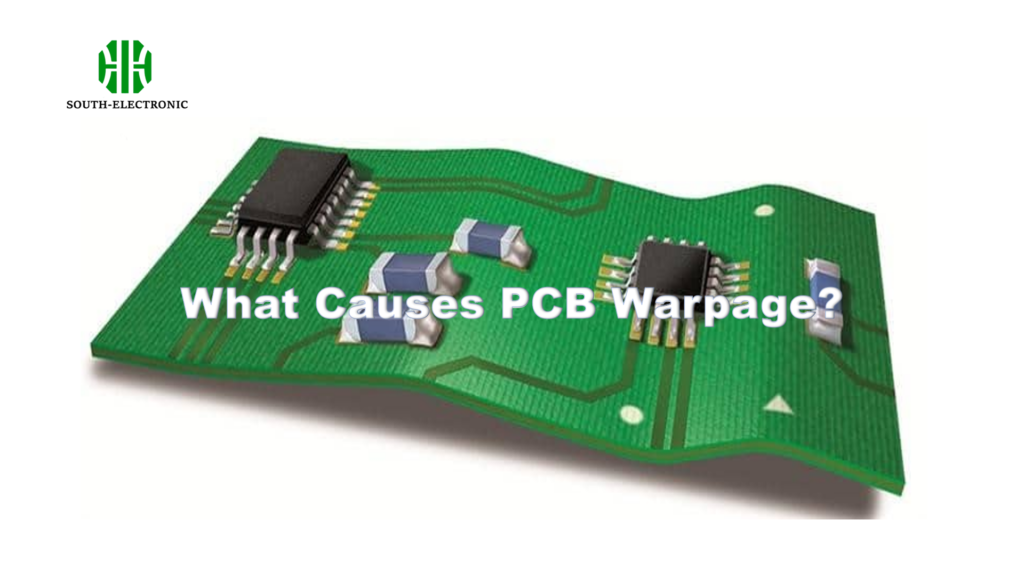
Prévenir le gauchissement des PCB : équilibrer les écarts de CTE, les couches asymétriques, les contraintes thermiques, l’absorption d’humidité et valider avec les normes de test IPC.
What is a tantalum capacitor used for?
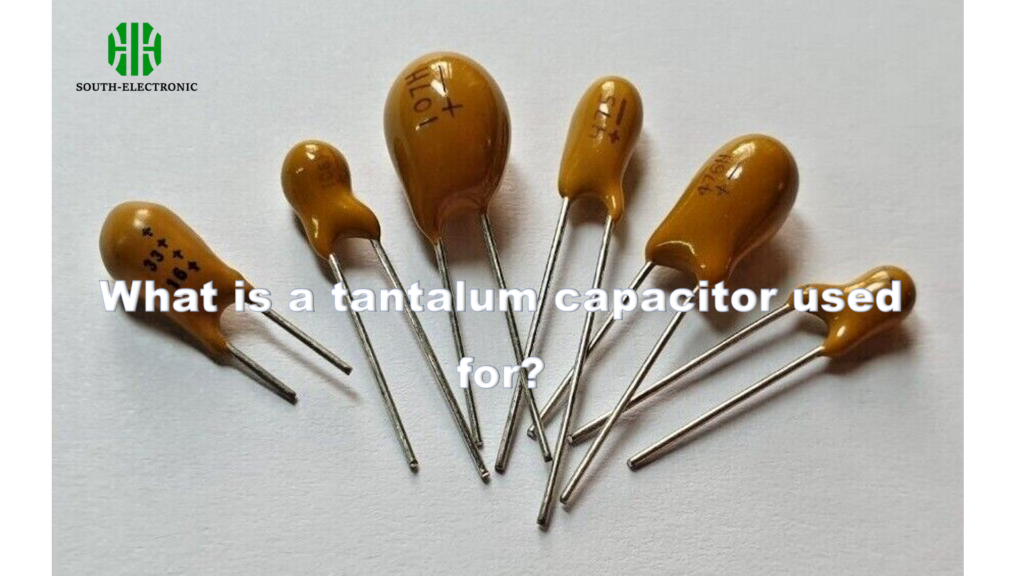
Explore the essential role of tantalum capacitors in electronics, highlighting their unmatched efficiency, reliability, and wide-ranging applications from military to consumer devices. Uncover the innovation behind these compact powerhouses.
What is a High Tg PCB?
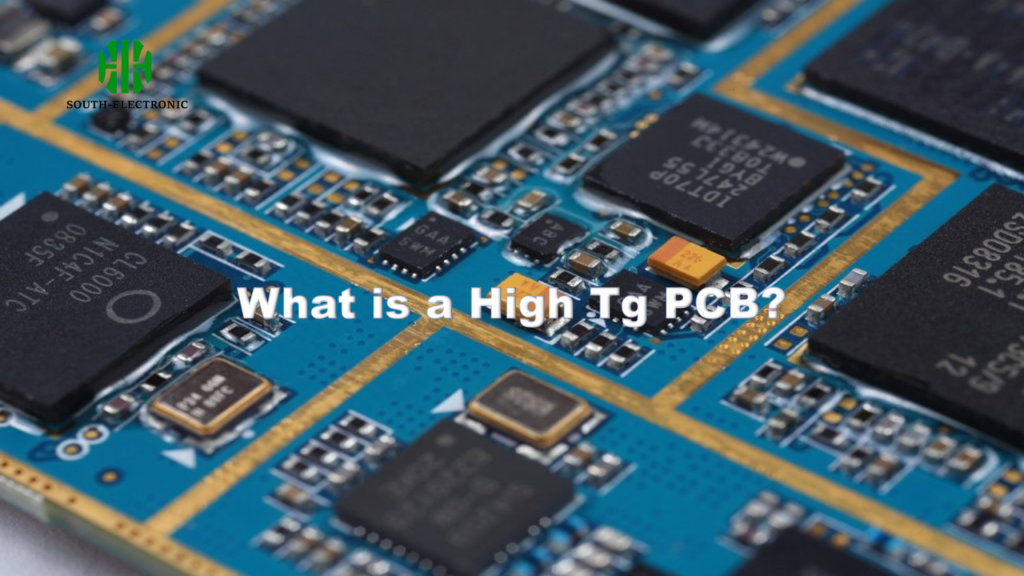
High Tg PCBs prevent overheating in electronics with superior thermal stability for automotive, 5G, and aerospace applications versus standard FR4.
What is PCB ink?
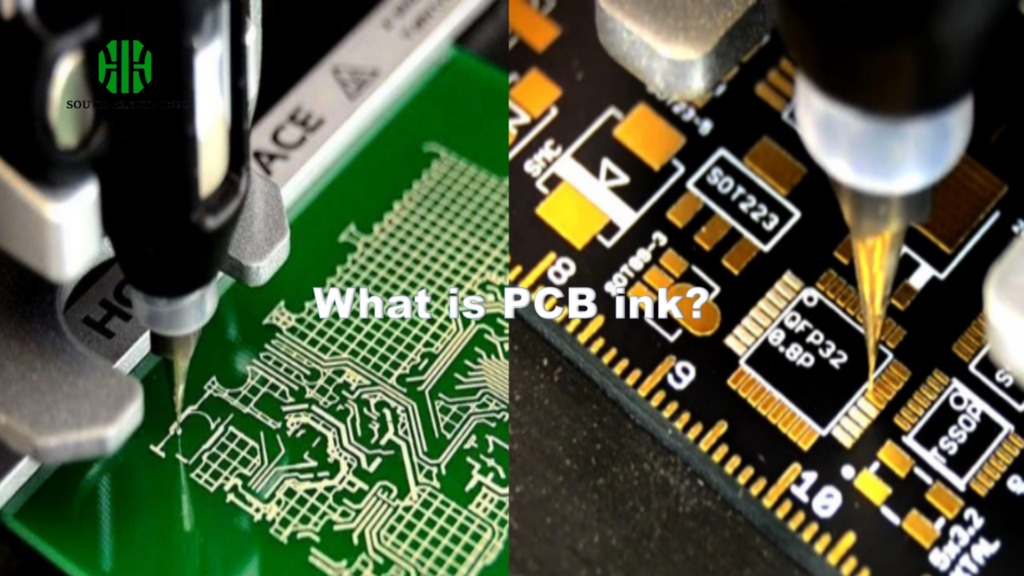
PCB ink creates conductive pathways, solder masks & component markings, ensuring reliability in electronics from medical devices to EVs.
What’s the Difference between EMI, EMS and EMC?
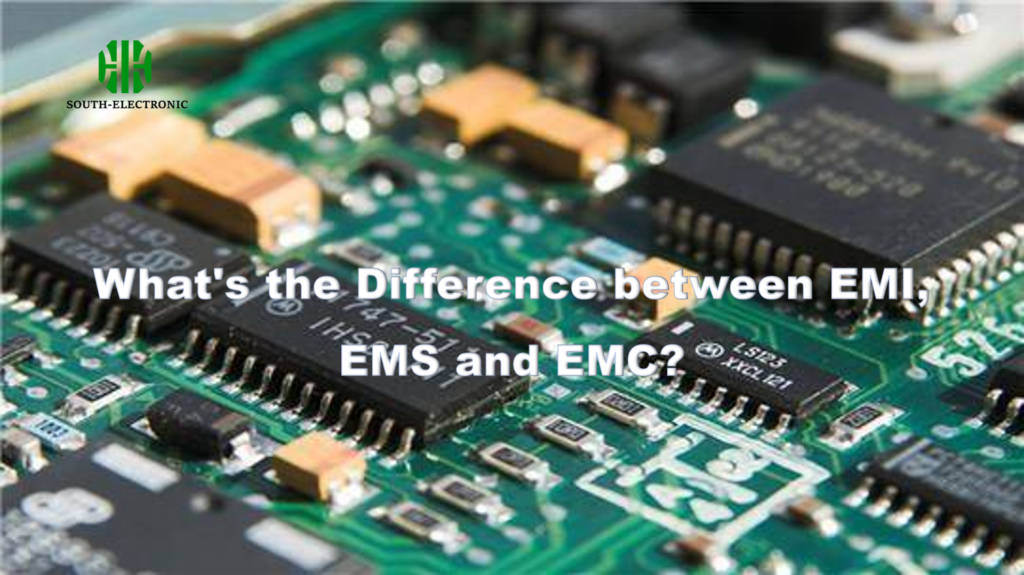
Master EMI control, EMS resilience & EMC compliance for robust IoT/5G devices. Essential design practices to eliminate electromagnetic failures
What is SMA in PCB?
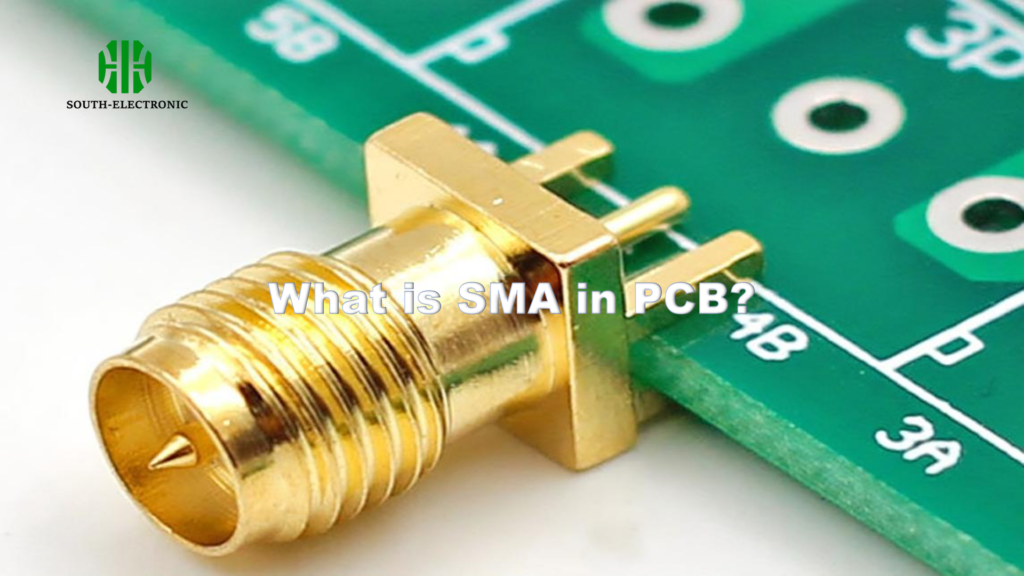
SMA connectors enable 5G reliability with 18 GHz frequency handling, military-grade durability, and precise 50-ohm impedance control in PCBs.
What Are the Common Problems of Copper Plating Technology in PCB?
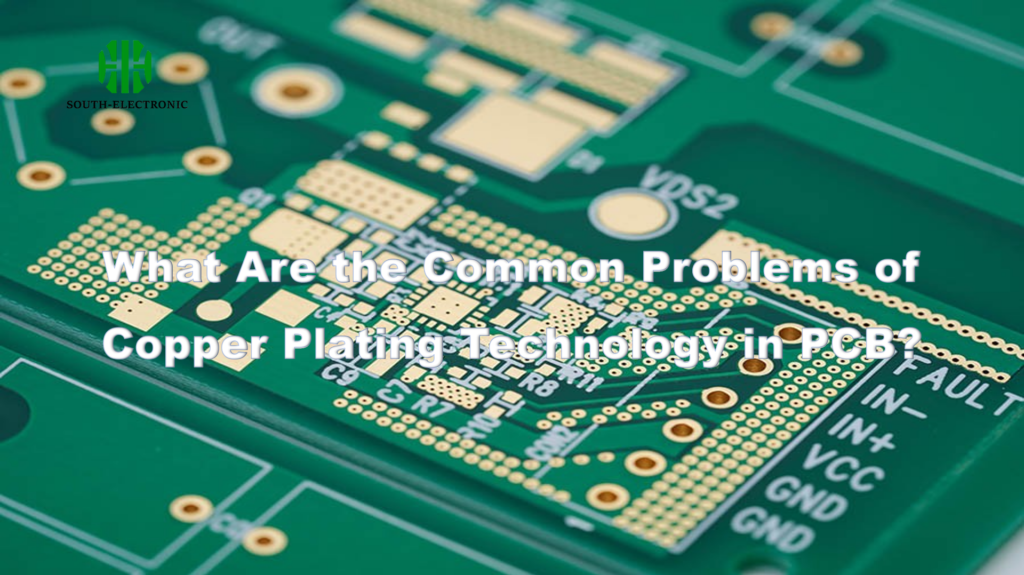
Solve PCB copper defects—pitting, voids, dendrites—via current control, adaptive waveforms, and alkaline pretreatment for HDI reliability.