
Master automotive PCB reliability: Beat heat, vibration & EMI with ISO 26262-compliant materials, thermal vias, and vibration-resistant designs. Avoid costly field failures through rigorous testing

Master automotive PCB reliability: Beat heat, vibration & EMI with ISO 26262-compliant materials, thermal vias, and vibration-resistant designs. Avoid costly field failures through rigorous testing
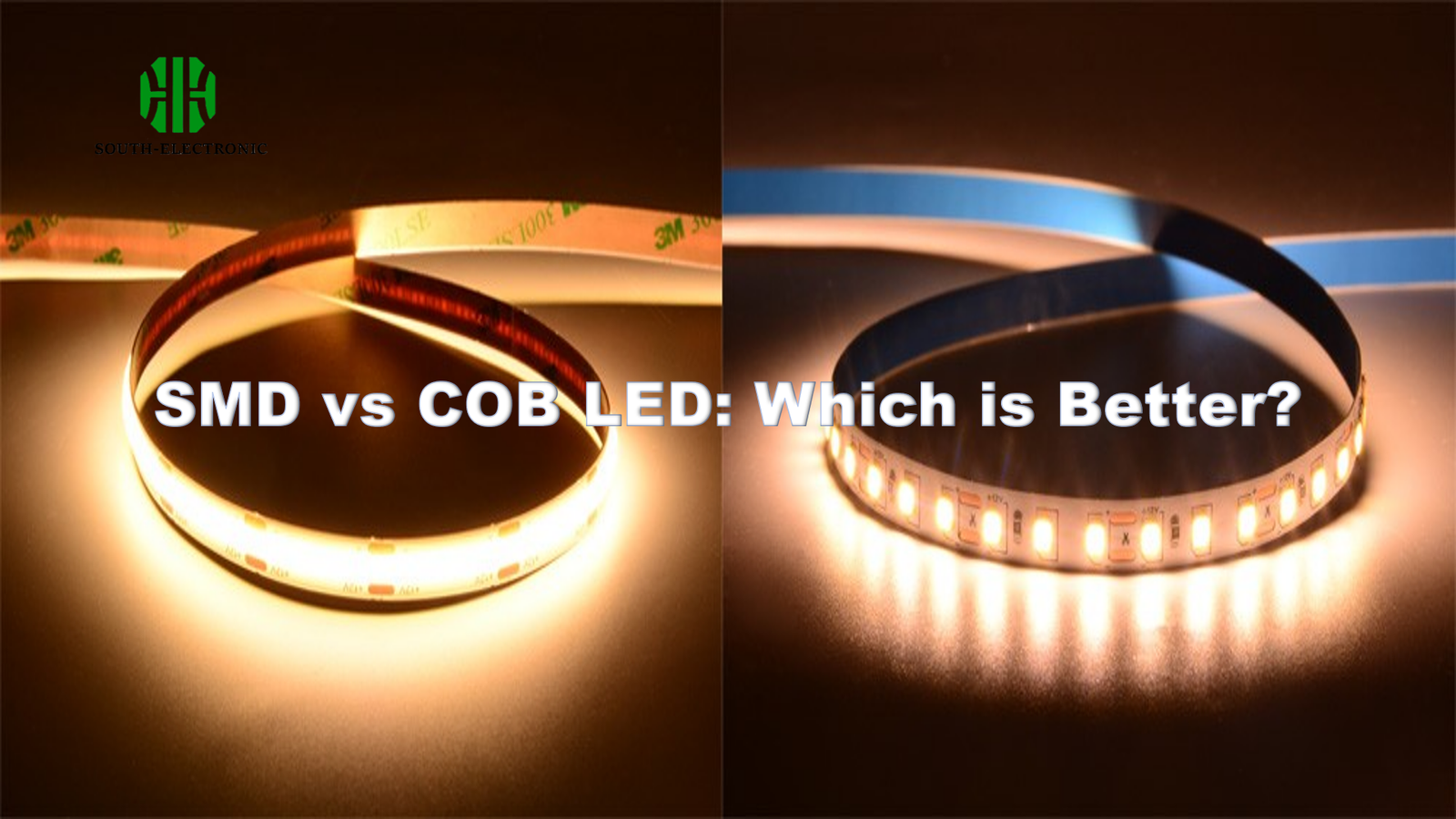
Choose COB LEDs for seamless, uniform lighting in displays or task areas. Opt for SMD LEDs when precise color-changing effects are needed. Avoid costly errors
Learn the critical difference between countersinks (conical) and counterbores (cylindrical) for screws/bolts. Avoid project failures with proper hole selection, drilling, and symbol reading.

Understand & combat EMI: the invisible force disrupting electronics from TVs to spacecraft. Learn shielding, suppression & compliance strategies for reliable device performance.
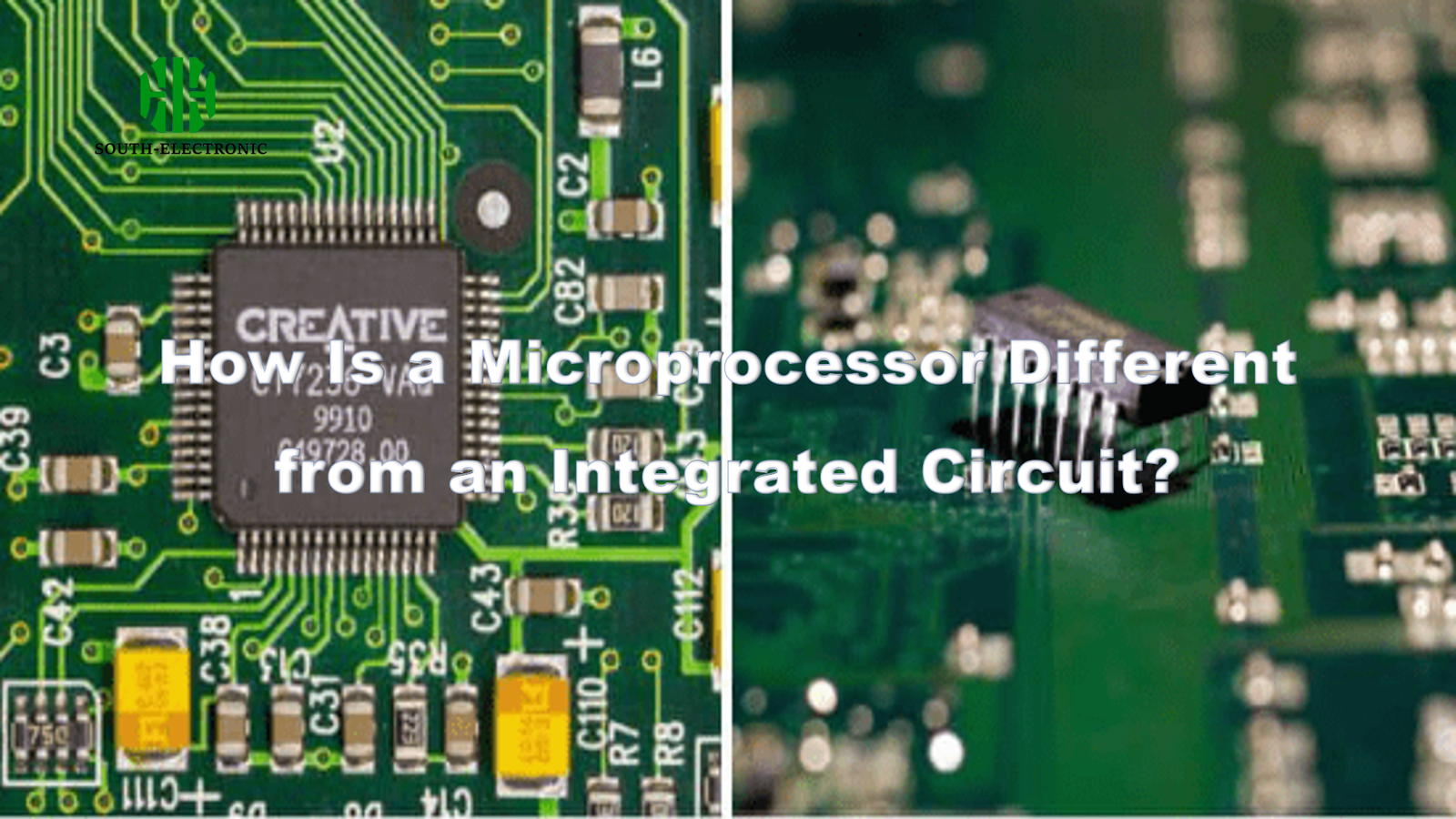
Microprocessors are computational ICs acting as device CPUs. Other integrated circuits (memory, PMIC, analog) perform non-computational roles like power regulation or signal conversion.
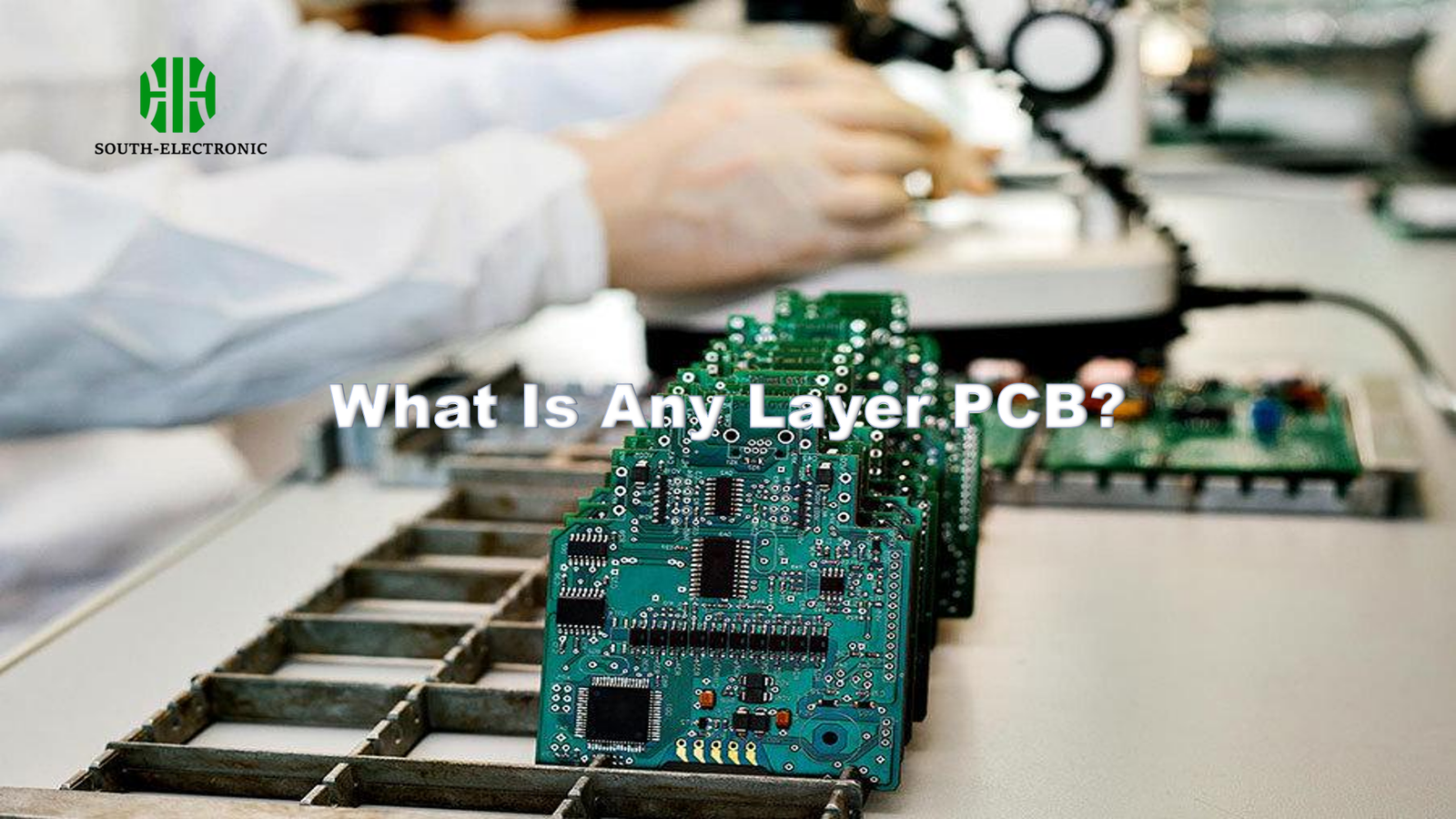
Any Layer PCBs enable ultra-thin electronics via stacked microvias, powering 5G devices, wearables, and medical implants with superior signal integrity.
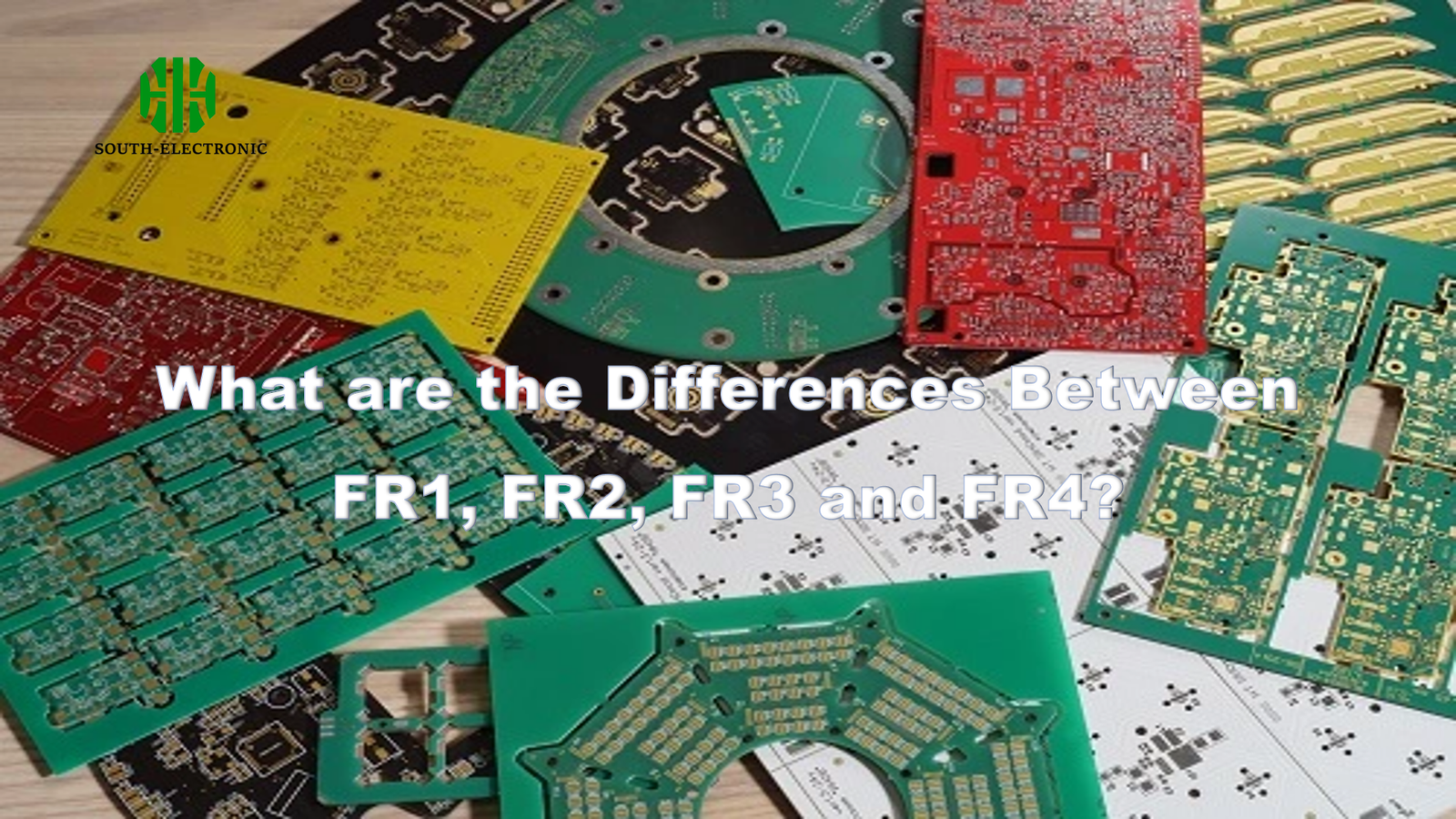
FR1-FR4 PCBs differ in thermal stability, electrical performance, and cost. FR4 excels in high-frequency applications; FR1 for basic low-cost projects.
PCB manufacturability focuses on assembly methods, component layout, paneling, testability, and automation considerations to enhance production efficiency, quality, and cost-effectiveness.
Hard gold (alloy) and soft gold (pure) differ in PCB applications. Electroplating vs. ENIG affects durability. Flash gold is a thin, cost-effective plating method.
Master multi-layer PCB design with a modular layout approach: fix components precisely, use schematic-PCB interaction & split-screen workflows for efficient, structured design.