Do Black PCBs Actually Dissipate Heat Better?
Black PCBs don’t improve cooling; color is cosmetic. More expensive due to strict manufacturing tolerances but used for premium aesthetics in gaming, audio, and flagship devices. Choose green for prototyping.
Which software is best for PCB design?
Discover top PCB design software: Altium for professionals, KiCad’s free power, budget EAGLE. Choose right tools for complexity and cost efficiency in circuit projects.
How long does a complete assembly take from PCB to PCBA?
Prevent PCBA delays: learn assembly timelines (3-15 days), how to order efficiently, rigid/flex/rigid-flex PCB differences & key terminology (PCB/PWB/CCA). Expert tips included.
What defines quality in custom PCB board manufacturing?
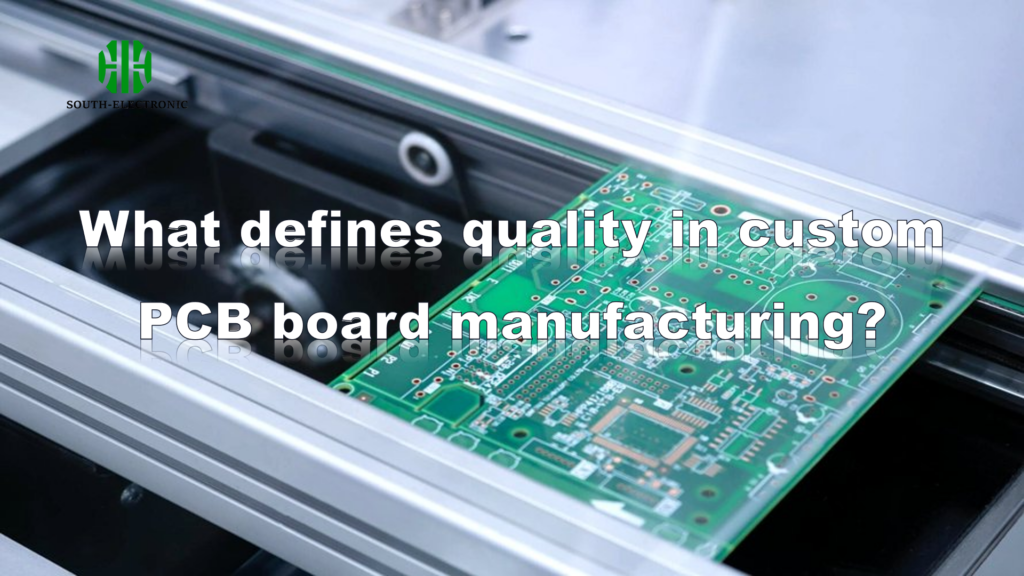
Quality PCBs mean meeting exact specs, robust processes, and strict testing. Custom boards offer unmatched design flexibility, managed risks in complex projects, cost-effective small batches, and long-term reliability. Trust South-Electronic for precision manufacturing.
Why choose a PCB manufacturer in the USA?
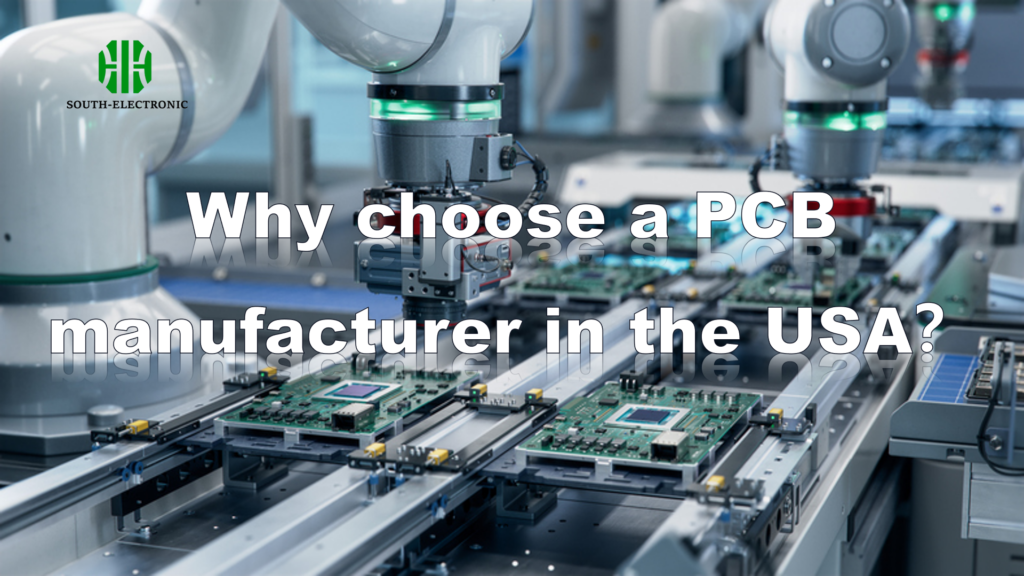
Solve PCB delays: US manufacturing offers faster delivery, ITAR/AS9100D certification, and no hidden costs. Or choose reliable China suppliers like South-Electronic PCB for cost-efficient quality. Compare options now.
How to Repair Damaged PCB?
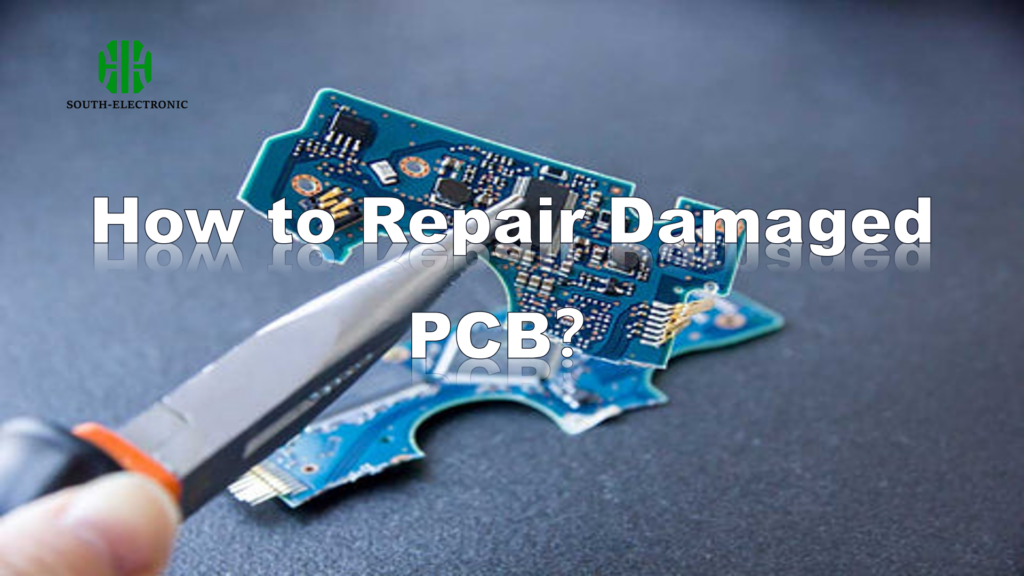
Fix damaged PCBs fast: Trace cracks, solder joints, capacitors, corroded pads & via failures. Step-by-step repairs with tools like soldering iron, conductive ink. Test & save costs.
What are the three types of PCB connectors?
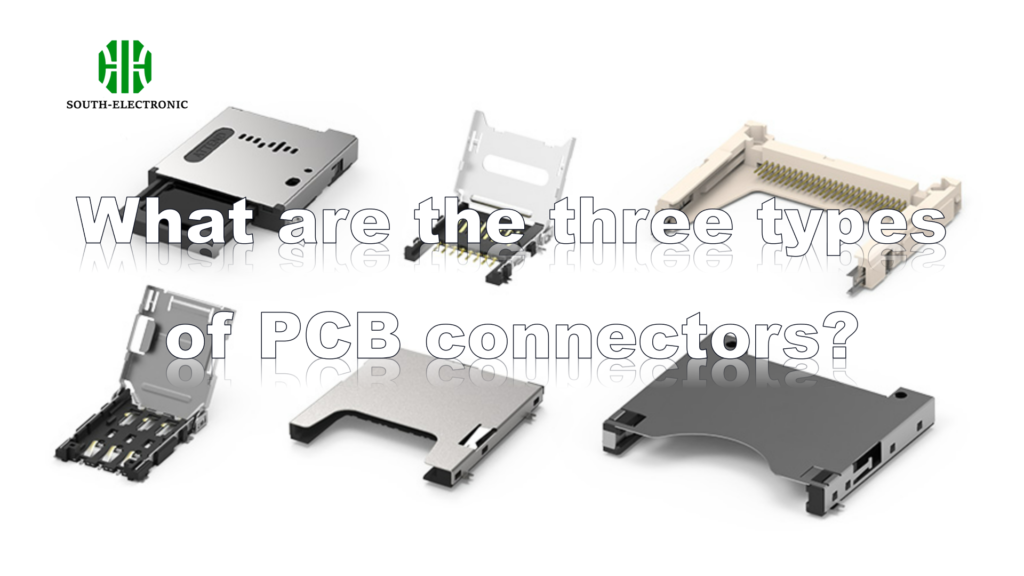
Learn PCB connector types (board-board, wire-board, wire-wire), prevent failures like corrosion & cracks, safe removal methods, and how to evaluate top suppliers for reliability.
What is through hole PCB technology?
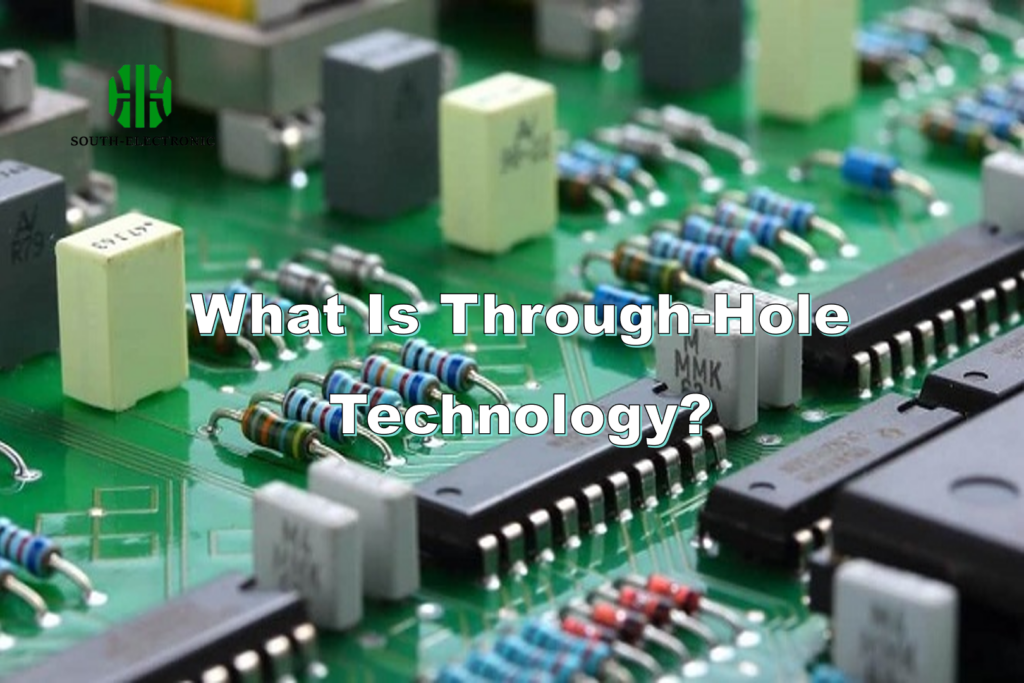
Learn when through-hole PCB assembly beats surface mount for rugged reliability in prototypes, high-vibration gear & heavy components. Master soldering techniques & troubleshooting.
How long does PCB manufacturing take?
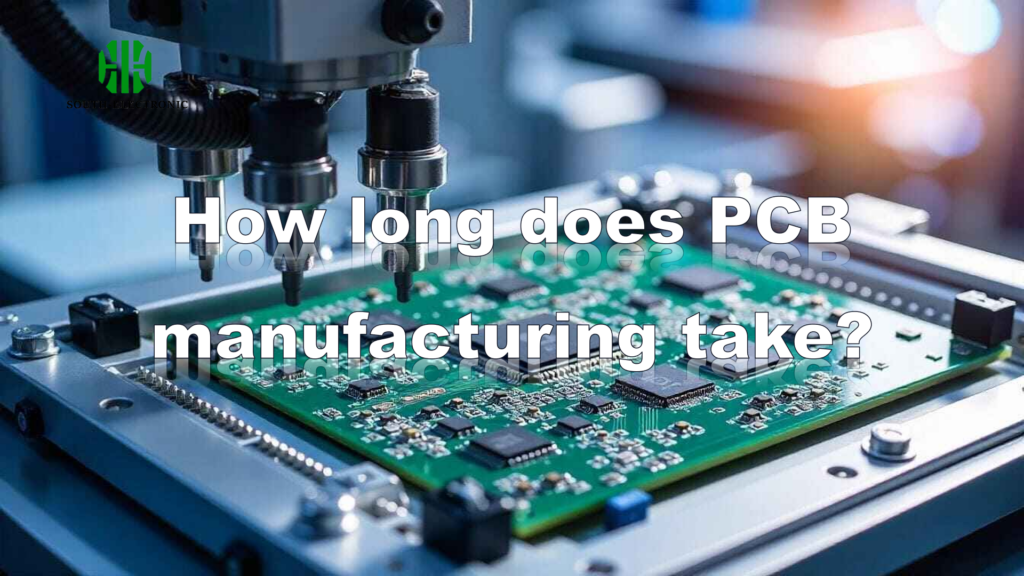
Standard PCB manufacturing takes 5-15 days. Tight deadlines require perfect files, DFM checks & pre-stocked parts. Learn how to guarantee ultra-fast turnarounds & prevent costly delays.
Does a Black PCB Signify High-end Quality?
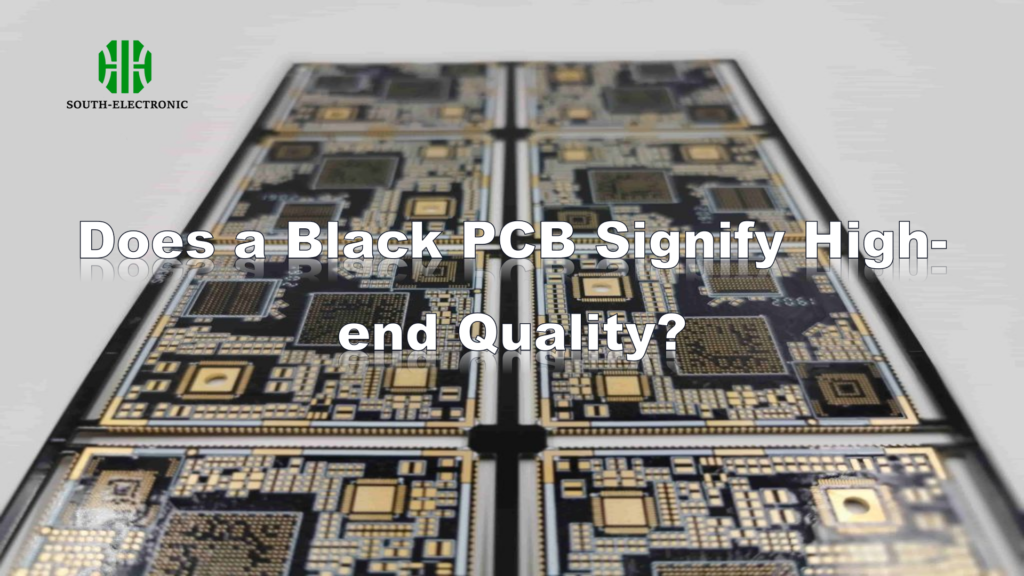
Black PCBs aren’t inherently premium. Quality depends on manufacturing, material grades, and design specs—not color. Avoid for high-inspection or budget projects; use only for aesthetics.