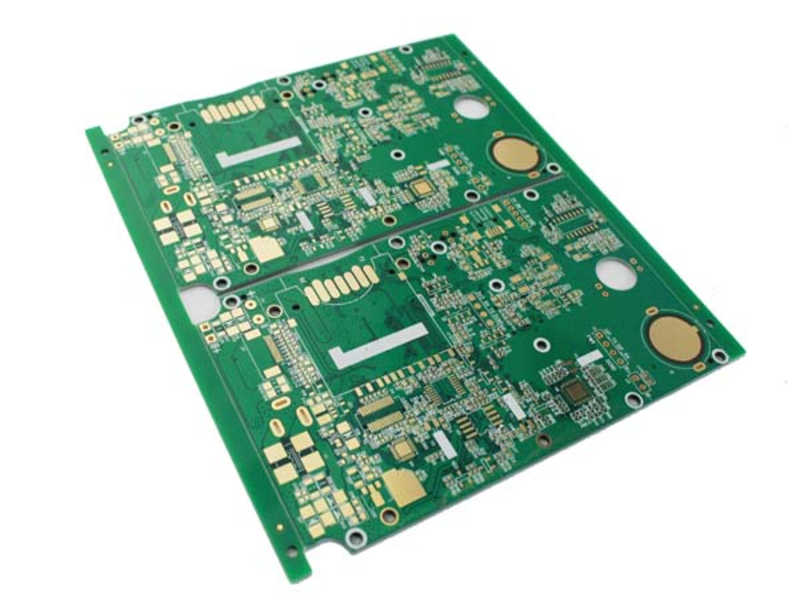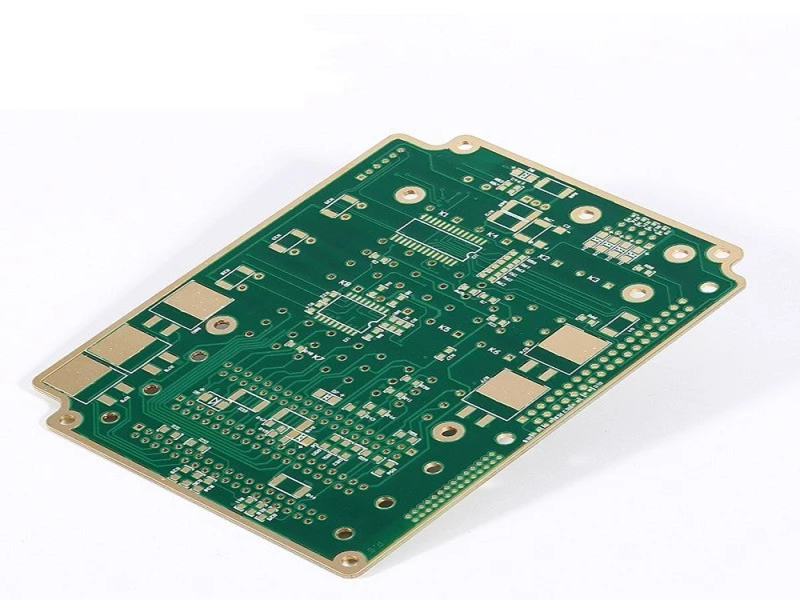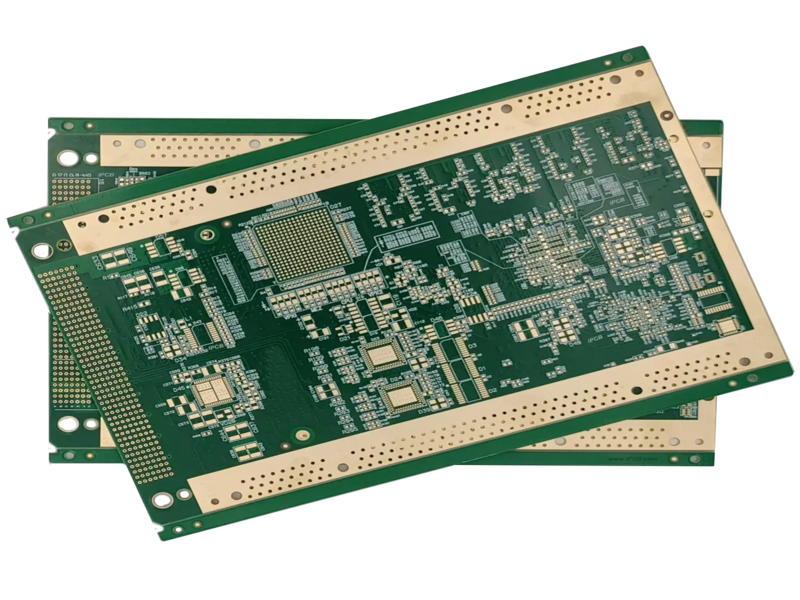
High TG PCB Supplier
South-Electronic

Are you in search of superior High TG PCBs?

Choose South-Electronic for unmatched quality, reliability, and exceptional value in your PCB solutions. Experience the difference with our comprehensive High TG PCB service—from fabrication to delivery, we ensure precision, durability, and compliance with the strictest industry standards.

Related Project We had Done

Customer Reviews

Common Questions

Most Popular Questions

Send us a message

The more detailed you fill out, the faster we can move to the next step.
The Complete Guide For Multilayer PCB

Contents

Chapter 1

Introduction to PCB Fabrication

PCB fabrication refers to the process of manufacturing printed circuit boards (PCBs) that are essential for modern electronic devices. This process encompasses various stages, from design to production, ensuring that the final product meets the required specifications for performance and reliability.

What is PCB Fabrication?

PCB fabrication involves the creation of a physical circuit board, which includes the layout of conductive paths and the embedding of electronic components. The process begins with design specifications, followed by material selection, and culminates in manufacturing techniques that bring the circuit board to life. Throughout this process, considerations for electrical performance, mechanical strength, and thermal management are paramount.

Importance of PCB Fabrication in Modern Electronics

As electronics have become more sophisticated, the demand for high-quality PCBs has increased. PCB fabrication is crucial because it directly impacts the functionality, reliability, and overall performance of electronic devices. Various industries, including telecommunications, consumer electronics, automotive, and medical, rely on effective PCB fabrication to create devices that are compact, efficient, and capable of meeting high-performance standards.

History and Evolution of PCB Fabrication

PCB fabrication has evolved significantly since its inception in the mid-20th century. Initially, PCBs were fabricated using manual methods, which limited their complexity and scalability. However, advancements in technology have introduced computer-aided design (CAD) tools, automated fabrication processes, and high-frequency materials that have revolutionized PCB manufacturing. Today, multilayer PCBs with intricate designs are commonplace in high-tech applications, owing to advances in fabrication techniques.

Key Steps in PCB Fabrication

  • Design and Layout: This stage involves creating the schematic and layout of the circuit board using specialized software.
  • Material Selection: Choosing the right materials, such as substrates, conductive layers, and insulation, is critical for desired performance.
  • Manufacturing Processes: The fabrication process includes various methods such as etching, drilling, plating, and lamination to create the final PCB structure.
  • Testing and Quality Control: After fabrication, PCBs undergo testing to ensure reliability, including electrical testing and visual inspections.

With a firm understanding of PCB fabrication, designers and manufacturers can collaborate to create high-performance circuit boards tailored for various applications, driving innovation and efficiency in electronic device development.

Chapter 2

Understanding PCB Materials

The choice of materials in PCB fabrication is fundamental to the performance, reliability, and manufacturability of printed circuit boards. Different materials offer distinct properties that influence the electrical, thermal, and mechanical characteristics of PCBs. This chapter explores the common materials used in PCB fabrication, their characteristics, and how they are selected based on specific application requirements.

Common Materials Used in PCB Fabrication

Several materials are typically used in the construction of PCBs. The most common include:

  • FR-4: This is a widely used material composed of woven fiberglass cloth and epoxy resin. It offers a good balance of mechanical strength, electrical insulation, and thermal stability, making it suitable for various applications in consumer electronics, automotive, and industrial sectors.
  • Polyimide: Known for its excellent thermal stability and flexibility, polyimide is often used in flexible and rigid-flex PCBs. It can withstand high temperatures and is often employed in aerospace, military, and medical applications.
  • Rogers Materials: These high-frequency materials feature low dielectric constants and loss tangents, making them ideal for microwave and RF applications. They provide superior performance in telecommunications, satellite, and radar systems.
  • Ceramic: Used for high-frequency applications, ceramic materials offer excellent thermal management and stability. They are often found in advanced electronics where reliability and performance are critical.

Material Selection Based on Application

The selection of materials for PCB fabrication depends on various factors specific to the application:

  • Thermal Characteristics: For applications exposed to extreme temperatures, materials like polyimide may be preferred due to their thermal resistance, while FR-4 is suitable for most general-purpose applications.
  • Electrical Performance: In high-frequency applications, materials such as Rogers are selected for their low dielectric loss and excellent signal integrity, whereas traditional materials like FR-4 may not suffice.
  • Mechanical Properties: In applications requiring flexibility, materials like polyimide are necessary. Conversely, rigid PCBs typically utilize FR-4 for mechanical strength.
  • Cost Considerations: While advanced materials may offer superior properties, cost can be a significant factor. FR-4 is cost-effective for many applications, while specialized materials like Rogers can be more expensive but essential for specific needs.

Conductive and Non-Conductive Materials

PCBs are composed of both conductive and non-conductive materials:

  • Conductive Materials: Copper is the standard conductive material used in PCBs due to its excellent electrical conductivity and compatibility with various manufacturing processes. It is used to form the copper layers that create the electrical paths on the PCB.
  • Non-Conductive Materials: Dielectric materials serve as insulating barriers between conductive layers, preventing electrical shorts. Common dielectric materials include FR-4 and prepreg, which help maintain signal integrity and safety.

Understanding the various materials used in PCB fabrication is essential for designers and manufacturers to optimize performance, reliability, and cost-effectiveness in their printed circuit boards. By choosing the right materials, they can meet the increasingly demanding requirements of modern electronics.

Chapter 3

PCB Manufacturing Process Overview

The manufacturing process of printed circuit boards (PCBs) is a complex sequence of steps that transforms raw materials into fully functional circuit boards ready for assembly. This chapter provides an overview of the key stages involved in PCB manufacturing, from initial design to the finished product.

1. Design and Prototyping

The manufacturing process begins with the design phase, where engineers use specialized software to create the PCB layout and schematic diagrams. Prototyping allows designers to test and validate their designs before mass production.

2. Material Preparation

Once the design is finalized, the next step involves selecting and preparing the materials. This typically includes laminates, copper foil, and other dielectric materials. Components are sourced based on the bill of materials (BOM).

3. Imaging

The imaging process transfers the PCB design onto the copper-clad laminate. This is done using either photolithography or direct imaging techniques, creating a photoresist pattern that defines the circuit traces and pads.

4. Etching

After imaging, the PCB undergoes an etching process, where unwanted copper is removed, leaving only the desired circuit pattern. Common etching methods include chemical and laser etching.

5. Drilling

Drilling is conducted to create holes for component leads and vias. Computer-controlled drilling machines ensure precision and accuracy, accommodating different hole sizes as specified in the design.

6. Plating

Following drilling, the holes are plated with copper to connect layers and provide electrical paths. The most common method is electroless plating, which deposits a thin layer of copper onto the hole walls.

7. Lamination

For multilayer PCBs, the lamination process involves stacking multiple layers with insulating materials and applying heat and pressure. This solidifies the layers into a single, cohesive unit.

8. Surface Finish

Surface finishes are applied to enhance solderability and protect against oxidation. Common finishes include HASL (Hot Air Solder Leveling), OSP (Organic Solderability Preservative), and ENIG (Electroless Nickel Immersion Gold).

9. Final Inspection and Testing

Before shipping, PCBs undergo rigorous final inspections and testing. Techniques include visual inspections, electrical testing (e.g., Bed of Nails testing), and functional testing to ensure that the board meets all specifications.

10. Assembly

Once the PCBs pass inspection, they are ready for assembly, where components are soldered onto the PCB. This process can be done manually or using automated assembly machines, depending on the volume and complexity of the boards.

Conclusion

The PCB manufacturing process is critical to ensuring the quality and reliability of electronic devices. By understanding each step involved, engineers and manufacturers can collaborate more effectively to produce high-quality PCBs that meet the demands of modern applications.

Chapter 4

PCB Manufacturing Process Overview

The manufacturing process of printed circuit boards (PCBs) is a complex sequence of steps that transforms raw materials into fully functional circuit boards ready for assembly. This chapter provides an overview of the key stages involved in PCB manufacturing, from initial design to the finished product.

1. Design and Prototyping

The manufacturing process begins with the design phase, where engineers use specialized software to create the PCB layout and schematic diagrams. Prototyping allows designers to test and validate their designs before mass production.

2. Material Preparation

Once the design is finalized, the next step involves selecting and preparing the materials. This typically includes laminates, copper foil, and other dielectric materials. Components are sourced based on the bill of materials (BOM).

3. Imaging

The imaging process transfers the PCB design onto the copper-clad laminate. This is done using either photolithography or direct imaging techniques, creating a photoresist pattern that defines the circuit traces and pads.

4. Etching

After imaging, the PCB undergoes an etching process, where unwanted copper is removed, leaving only the desired circuit pattern. Common etching methods include chemical and laser etching.

5. Drilling

Drilling is conducted to create holes for component leads and vias. Computer-controlled drilling machines ensure precision and accuracy, accommodating different hole sizes as specified in the design.

6. Plating

Following drilling, the holes are plated with copper to connect layers and provide electrical paths. The most common method is electroless plating, which deposits a thin layer of copper onto the hole walls.

7. Lamination

For multilayer PCBs, the lamination process involves stacking multiple layers with insulating materials and applying heat and pressure. This solidifies the layers into a single, cohesive unit.

8. Surface Finish

Surface finishes are applied to enhance solderability and protect against oxidation. Common finishes include HASL (Hot Air Solder Leveling), OSP (Organic Solderability Preservative), and ENIG (Electroless Nickel Immersion Gold).

9. Final Inspection and Testing

Before shipping, PCBs undergo rigorous final inspections and testing. Techniques include visual inspections, electrical testing (e.g., Bed of Nails testing), and functional testing to ensure that the board meets all specifications.

10. Assembly

Once the PCBs pass inspection, they are ready for assembly, where components are soldered onto the PCB. This process can be done manually or using automated assembly machines, depending on the volume and complexity of the boards.

Conclusion

The PCB manufacturing process is critical to ensuring the quality and reliability of electronic devices. By understanding each step involved, engineers and manufacturers can collaborate more effectively to produce high-quality PCBs that meet the demands of modern applications.

Chapter 5

Multilayer PCB Manufacturing Process

The manufacturing process of multilayer PCBs is a highly intricate and precise procedure, ensuring that the final product meets the desired performance standards and reliability. Below is a detailed breakdown of the key stages in multilayer PCB manufacturing:

PCB Design and Layout

The first step in the manufacturing process is the PCB design and layout. This phase involves using specialized software like CAD (Computer-Aided Design) tools to create a detailed blueprint of the multilayer PCB. The design includes the placement of all components, routing of signal traces, power planes, and ground layers, as well as the arrangement of vias and pads.

  • Stackup Design: For multilayer PCBs, a crucial aspect of design is the stackup—the arrangement of conductive layers (copper) and insulating layers (dielectric). Designers choose the number of layers based on the circuit’s complexity and performance needs. Proper stackup design helps maintain signal integrity and minimize interference.
  • Routing and Via Placement: Designers must route signals efficiently across layers, using vias (through-hole, blind, or buried) to connect traces across different layers. Signal integrity, impedance control, and electromagnetic interference (EMI) are key considerations in this phase.

Once the design is finalized, it is converted into Gerber files, which contain all the necessary information to guide the manufacturing process.

Lamination and Layer Buildup Process

The lamination and layer buildup process is where the multilayer structure of the PCB is physically created. This process involves alternating layers of copper and insulating materials (prepreg or core) being laminated together under heat and pressure to form a solid, compact PCB.

  • Inner Layer Imaging: Each inner layer of the PCB is first etched with the circuit pattern. A photoresist is applied to the copper surface, and UV light is used to transfer the circuit design onto the layer. After the unwanted copper is etched away, the desired conductive pathways are left intact.
  • Prepreg Layer Application: Prepreg (pre-impregnated composite fibers) serves as the insulating material between the copper layers. Sheets of prepreg are placed between each etched copper layer. These sheets bond the layers together during the lamination process.
  • Lamination: The layers of copper and prepreg are carefully stacked in the required order to form the multilayer PCB structure. This stack is then placed in a press, where it is subjected to high temperature and pressure, causing the prepreg to melt and bond the layers together. Once cooled, this solidifies the structure into a single unified board.

The lamination process is critical in ensuring the durability, reliability, and mechanical stability of the PCB.

Drilling, Plating, and Etching

Once the layers are laminated, the next step is to create vias and holes that allow electrical connections between the various layers and for component mounting. This involves drilling, plating, and etching:

  • Drilling: Precision drilling machines create holes for through-hole vias, blind vias, and buried vias as specified in the design. These holes enable connections between the different layers of the PCB and provide pathways for components to be mounted on the board. High-precision drills, often laser-guided, are used to ensure the accuracy of these tiny holes, which can be as small as a few micrometers in diameter.

  • Plating: After drilling, the interior surfaces of the holes are plated with copper through a process called electroless copper plating. This ensures that the vias are conductive and can establish electrical connections between the different layers. The plating thickness is carefully controlled to ensure reliability and long-term durability, especially in high-performance applications.

  • Outer Layer Imaging and Etching: Similar to the inner layer imaging process, the outer layers are coated with a photoresist, exposed to UV light, and etched to create the circuit patterns on the outermost copper layers. The exposed copper is etched away, leaving behind the desired conductive traces that will connect components on the surface.

Final Assembly and Testing

Once the PCB structure is complete, the final assembly and testing phase begins. This phase ensures that the PCB is fully functional, free from defects, and ready for component mounting and end use.

  • Solder Mask Application: A solder mask is applied to the outer layers to protect the copper traces from oxidation, moisture, and contamination. The solder mask also helps prevent solder bridges from forming during the component assembly process. It is typically green but can be other colors based on customer specifications.

  • Silkscreen Printing: Important information, such as component labels, logos, or part numbers, is printed on the PCB using silkscreen printing. This helps during the assembly and maintenance of the PCB.

  • Surface Finish: To protect the exposed copper pads where components will be soldered, a surface finish like HASL (Hot Air Solder Leveling), ENIG (Electroless Nickel Immersion Gold), or OSP (Organic Solderability Preservative) is applied. This surface finish ensures good solderability during the component assembly process.

  • Electrical Testing: The completed PCB undergoes rigorous electrical testing to ensure that all connections are functioning correctly. Common tests include:

    • Automated Optical Inspection (AOI): A camera scans the PCB to check for any missing traces, short circuits, or misalignments.
    • Flying Probe Test: Probes touch the surface of the PCB to test the integrity of each connection and check for electrical shorts or open circuits.
    • Functional Testing: The PCB is subjected to real-world conditions to ensure that it functions as intended in its target application.

Once the PCB passes all these tests, it is ready for the final assembly, where components will be mounted onto the board, or it can be shipped to the customer for further processing.

Chapter  6

Multilayer PCB Design Considerations

When designing a multilayer PCB, there are several important factors to consider in order to achieve optimal performance, reliability, and manufacturability. These factors include signal integrity, electromagnetic interference (EMI) control, power distribution, grounding, heat management, and layer stackup. Let’s take a closer look at each of these design considerations.

Signal Integrity and EMI/EMC Considerations

Signal integrity is critical in multilayer PCB design, especially in high-speed, high-frequency circuits. Poor signal integrity can result in data corruption, signal loss, or EMI, all of which can degrade the performance of the PCB. To maintain strong signal integrity and control EMI, designers must pay attention to the following elements:

  • Controlled Impedance: High-speed signals require well-controlled impedance to avoid reflections and signal distortion. By using a carefully designed stackup, impedance can be controlled across specific layers. This often involves precise separation between signal layers and ground planes.
  • Trace Length Matching: In high-speed designs, differences in trace lengths can result in timing mismatches between signals, known as signal skew. Designers must ensure that signal traces, especially those carrying critical clock or data signals, are properly matched in length to avoid timing issues.
  • Minimizing Crosstalk: Crosstalk occurs when signal traces are placed too closely together, causing electrical interference between them. To minimize crosstalk, traces should be properly spaced and routed on different layers when necessary. Ground planes also help to shield signals from each other, reducing unwanted noise.
  • Electromagnetic Compatibility (EMC): A well-designed multilayer PCB must comply with EMC standards to reduce electromagnetic radiation that could interfere with other devices. By using a dedicated ground plane and placing high-speed signals on inner layers between ground planes, designers can reduce EMI emissions. Shielding techniques, such as placing ground pours around sensitive traces, further improve EMC performance.

The goal is to create a design that ensures signals are transmitted with minimal distortion, noise, or loss, which is particularly important in telecommunications, aerospace, and automotive applications where signal integrity is critical.

Power Distribution and Grounding

Proper power distribution and grounding are essential in multilayer PCB designs to ensure stable voltage delivery and minimize power noise.

Dedicated Power and Ground Planes: In multilayer PCBs, it is common to dedicate entire layers to power and ground planes. These planes provide a low-impedance path for power distribution, reducing voltage drop and ensuring that all components receive stable power. A well-designed power plane also helps to distribute current evenly across the PCB, improving performance in high-power circuits.

  • Grounding Techniques: A robust grounding system is crucial for minimizing noise and ensuring signal integrity. The ground plane acts as a reference for signals and reduces the return path impedance, which is important for maintaining signal quality. Using a single ground plane that spans the entire PCB is typically the best practice to avoid ground loops and ensure a consistent reference point for all signals.
  • Decoupling Capacitors: To further improve power stability, decoupling capacitors are placed near critical components. These capacitors act as local energy storage units, smoothing out voltage fluctuations and reducing noise on the power rails. Proper placement and selection of these capacitors are essential to avoid power supply noise, especially in high-speed and high-frequency designs.
  • Power Integrity: Maintaining power integrity in multilayer PCB designs ensures that the power distribution network delivers clean, noise-free power to all components. Poor power integrity can result in voltage drops, noise coupling, and unstable component behavior, leading to system failures.

By focusing on efficient power distribution and effective grounding, designers can ensure stable voltage levels across the entire PCB, which is critical for reliable performance.

Heat Dissipation and Thermal Management

As electronic devices become smaller and more powerful, thermal management has become a critical design consideration in multilayer PCBs. Without adequate heat dissipation, excessive heat can lead to component failure, reduced performance, and shorter product lifespan.

  • Thermal Vias: One of the most effective ways to manage heat in a multilayer PCB is by using thermal vias. These vias transfer heat from one side of the PCB to another, spreading the heat across the board or directing it to a heatsink or thermal pad. Placing thermal vias under heat-generating components, such as processors or power regulators, helps in dissipating heat away from the component, preventing localized overheating.
  • Heat Sinks and Pads: In some cases, passive cooling solutions like heat sinks or thermal pads are attached to specific components or areas of the PCB. These heat sinks absorb heat and radiate it away from the board, reducing the overall temperature of the system.
  • Copper Weight: The thickness of the copper layers in the PCB, known as copper weight, also plays a role in heat dissipation. Increasing the copper weight allows the PCB to handle higher currents and spread heat more effectively across the board. However, thicker copper adds cost and complexity to the manufacturing process, so designers must balance thermal needs with cost constraints.
  • Thermal Analysis: Thermal management is not just about adding cooling mechanisms but also about thermal analysis during the design phase. Thermal simulation tools allow designers to identify hot spots and optimize the layout to improve airflow and heat dissipation. Components that generate significant heat should be strategically placed near the edges of the board or near thermal vias for efficient cooling.

Effective thermal management ensures that the PCB can operate within safe temperature ranges, maintaining performance and prolonging the life of the device.

Stackup Design and Layer Arrangement

The stackup of a multilayer PCB refers to the arrangement and sequencing of the conductive and insulating layers. Stackup design is crucial in achieving the desired electrical performance, mechanical strength, and manufacturability of the PCB.

  • Layer Symmetry: In multilayer PCB designs, symmetry is important for mechanical stability and minimizing warping during the manufacturing process. A balanced stackup with an equal number of copper and dielectric layers on either side of the PCB’s center helps to prevent mechanical stresses that can cause the board to bend or warp. This is particularly important in large or high-layer-count PCBs.
  • Signal Layer Assignment: The placement of signal layers within the stackup is critical for maintaining signal integrity. High-speed signal layers should be placed close to ground planes to minimize the return path impedance and reduce the risk of signal distortion. Sensitive analog signals are typically routed on inner layers between ground planes to provide shielding from external noise sources.
  • Power and Ground Planes: Power and ground planes are typically placed in the inner layers of the stackup, with signal layers arranged around them. This configuration helps to maintain a low-impedance path for both power and ground, improving signal integrity and EMI performance. Placing a ground plane directly adjacent to a power plane also creates a natural decoupling effect, which reduces noise on the power rails.
  • Layer Count Optimization: The number of layers in a PCB is determined by the complexity of the circuit, the number of signals that need to be routed, and the performance requirements. More layers allow for greater flexibility in routing, improved signal integrity, and better power distribution, but they also increase manufacturing costs. Designers must strike a balance between performance and cost when deciding the optimal layer count for a multilayer PCB.
  • Dielectric Thickness: The thickness of the insulating layers (dielectric) between copper layers affects both the electrical and mechanical properties of the PCB. Thinner dielectric layers are often used in high-speed designs to reduce signal propagation delays, while thicker dielectric layers may be used to improve structural integrity or provide insulation in high-voltage applications.

The stackup design and layer arrangement of a multilayer PCB play a pivotal role in determining the board’s overall performance, durability, and manufacturability. A well-optimized stackup helps achieve the desired balance between electrical performance, mechanical stability, and cost efficiency.

Chapter 7

Common Applications of Multilayer PCB

Multilayer PCBs are indispensable in modern electronic devices due to their ability to handle complex circuits in a compact form factor, deliver high performance, and support a wide range of functionalities. Their unique advantages, such as higher component density, improved signal integrity, and efficient power distribution, make them suitable for a variety of high-tech industries. Below are some of the most common applications of multilayer PCBs:

Telecommunications and Networking Equipment

The telecommunications and networking industry relies heavily on multilayer PCBs to support high-speed data transmission, signal integrity, and reliability. As network infrastructure continues to evolve with the advent of technologies like 5G, the demand for high-performance, multilayer PCBs in this field is increasing.

  • Switches and Routers: Multilayer PCBs are critical in devices such as switches and routers, where high-speed signal processing and data routing are required. The multilayer design allows for the separation of power and ground planes from signal layers, reducing noise and electromagnetic interference (EMI), which is essential for maintaining signal integrity in these devices.

  • Base Stations and Antennas: In cellular base stations, multilayer PCBs are used to process and transmit data across networks, enabling seamless communication between mobile devices. The PCBs must handle high-frequency signals and maintain low signal loss, especially with the growing demands of 5G technology. The use of materials like Rogers, which are known for their low dielectric constant, ensures signal stability in these high-frequency environments.

  • Fiber Optic Transceivers: Fiber optic communication systems, which provide high-speed internet and data services, depend on multilayer PCBs for their signal processing units. These PCBs support data conversion between electrical and optical signals, requiring a compact design and the ability to handle high data rates efficiently.

Telecommunications and networking equipment require multilayer PCBs to deliver fast, reliable, and interference-free communication. Their ability to manage complex signals and minimize EMI makes them ideal for this industry.

Consumer Electronics (Smartphones, Laptops, etc.)

The consumer electronics sector is one of the largest markets for multilayer PCBs. Devices like smartphones, laptops, tablets, and wearables are becoming increasingly powerful while maintaining compact and lightweight designs, and this is only possible through the use of multilayer PCBs.

  • Smartphones: Multilayer PCBs are essential in smartphones due to their ability to accommodate the complex circuits required for a wide range of functionalities, such as wireless communication, touchscreens, cameras, and sensors. The compact design of a multilayer PCB allows for higher component density, enabling manufacturers to fit more features into increasingly smaller devices without compromising performance. Additionally, multilayer PCBs provide the necessary power distribution and signal integrity required for high-speed processors, memory chips, and wireless connectivity modules.

  • Laptops and Tablets: Multilayer PCBs are widely used in laptops and tablets, where performance and size constraints are critical. These devices require PCBs that can manage fast data transfer, handle multiple I/O ports, and support high-resolution displays. The flexibility in multilayer PCB design allows manufacturers to efficiently route signals across various components, such as processors, memory, and storage, ensuring that laptops and tablets meet modern performance standards.

  • Wearables: Wearable devices, such as smartwatches, fitness trackers, and health monitors, depend on multilayer PCBs to achieve their compact size while still delivering advanced functionality. In these applications, multilayer PCBs allow for the integration of sensors, wireless communication modules, and small processors, all within a miniature form factor. The flexibility of multilayer PCBs also enables the production of rigid-flex designs, which are ideal for devices that need to bend or conform to the user’s body.

The consumer electronics industry relies on multilayer PCBs for their ability to deliver high-performance, small form-factor designs. As consumer devices continue to advance, the demand for multilayer PCBs will only increase, enabling even more complex and compact devices in the future.

Aerospace, Automotive, and Medical Devices

Multilayer PCBs are used extensively in aerospace, automotive, and medical applications, where performance, reliability, and durability are paramount. These industries demand PCBs that can withstand extreme environments, deliver precise performance, and ensure the safety and effectiveness of the system.

  • Aerospace: In aerospace applications, multilayer PCBs are used in various systems such as avionics, radar systems, communication equipment, and navigation devices. These PCBs must be able to withstand extreme temperatures, pressure variations, and mechanical stresses. The use of materials like polyimide in multilayer PCBs allows them to perform reliably under these harsh conditions. Additionally, the compact design and high-performance characteristics of multilayer PCBs enable them to handle the complex signal processing required in aerospace systems.

  • Automotive: The automotive industry increasingly relies on multilayer PCBs to support advanced driver-assistance systems (ADAS), infotainment systems, engine control units (ECUs), and electric vehicle (EV) power management systems. In automotive applications, multilayer PCBs must deliver high reliability, withstand extreme temperatures and vibrations, and ensure efficient power distribution. They also need to handle high-speed data transmission for sensors, cameras, and communication modules used in ADAS and autonomous driving technologies. Additionally, electric vehicles (EVs) rely on multilayer PCBs for battery management systems, power inverters, and charging systems, making the PCB a critical component of the vehicle’s overall functionality.

  • Medical Devices: In the medical field, multilayer PCBs are essential for the design of devices like pacemakers, imaging equipment (such as MRI and CT scanners), and diagnostic tools. These devices demand extreme precision, reliability, and longevity, often requiring PCBs that can withstand sterilization processes and operate in environments with minimal noise and interference. Multilayer PCBs are used in medical devices to ensure accurate signal processing, manage power distribution, and deliver reliable performance over the device’s lifespan. The compact size and high functionality of multilayer PCBs allow medical devices to be portable, wearable, and, in some cases, implantable, improving patient care and diagnostic accuracy.

In aerospace, automotive, and medical applications, the reliability and performance of multilayer PCBs are critical to ensuring the safety, effectiveness, and efficiency of the systems they support. These industries require PCBs that can perform under extreme conditions while maintaining high precision and reliability.

Chapter 8

Challenges in Multilayer PCB Design

Designing multilayer PCBs is a complex task that requires careful planning and consideration. There are many challenges involved, from routing signals and managing impedance to dealing with the high costs and long lead times associated with multilayer boards. In this article, we will take a closer look at the main challenges faced in multilayer PCB design.

Design Complexity and Routing Challenges

One of the biggest challenges in multilayer PCB design is dealing with the increased complexity that comes with having multiple layers of circuitry. As the number of layers in a PCB increases, so does the difficulty of routing signals, managing power distribution, and maintaining signal integrity.

  • Limited Space and Component Placement: With more layers and components packed into a small board, designers have to be strategic about where they place components. They need to make sure that components are placed in a way that avoids congestion and allows for efficient routing. This is especially important in designs where there is a need for dense component placement, such as in smartphones or wearable devices. Misplacing even one component can lead to inefficient routing and signal interference, which can cause design failures.
  • Signal Routing Across Multiple Layers: Routing signals through multiple layers is challenging because you have to minimize the length of the signal paths while still maintaining a logical flow of connections. Designers have to carefully manage the signal paths to avoid unnecessary crossings and via placements, which can introduce noise or delays. Routing high-speed signals becomes even more challenging as the number of layers increases because you have to route each signal in a way that minimizes noise, signal reflection, and impedance mismatch.
  • Via Management: Vias (through-hole, blind, and buried) are used to connect different layers in a multilayer PCB. While they are necessary for routing signals between layers, they also introduce challenges in terms of manufacturing and design. Using too many vias can lead to signal degradation and increased board complexity, while not using enough vias can make it difficult to route signals efficiently. Designers have to strike a balance, using vias strategically to maintain signal integrity without making the layout too complicated.
  • Layer Stackup Optimization: As the number of layers increases, it becomes critical to optimize the stackup (the arrangement of layers). The stackup needs to accommodate power planes, ground planes, and signal layers in a way that maximizes performance while minimizing interference and noise. The layer stackup also affects the mechanical stability and manufacturability of the PCB, so it is an important consideration in the design process.

Addressing these design complexities requires a deep understanding of the overall system requirements and the use of advanced design tools that can simulate signal behavior and optimize routing.

Manufacturing Costs and Lead Times

Multilayer PCBs are typically more expensive and time-consuming to manufacture than single-layer or double-layer PCBs. This is because they require additional materials, processing steps, and quality control measures.

  • Higher Manufacturing Costs: The increased complexity of multilayer PCBs directly affects manufacturing costs. Each additional layer adds to the material costs (such as copper and insulating materials), and the fabrication process becomes more involved. The lamination process, which involves pressing and bonding multiple layers of copper and insulating material together, is particularly expensive for multilayer designs. Precision drilling for vias, advanced etching techniques, and additional quality control measures also drive up costs. The use of specialized materials, such as high-frequency substrates like Rogers, further increases the overall expense.
  • Extended Lead Times: The complexity of manufacturing multilayer PCBs means that they often have longer lead times compared to simpler boards. The multiple stages of lamination, drilling, plating, and testing extend the production cycle. Additionally, multilayer PCBs often require more detailed inspection and testing to ensure that they meet performance and reliability standards. If any issues arise during production, reworking or redesigning a multilayer PCB can be time-consuming, further delaying delivery. This makes lead time management a critical consideration, especially for projects with tight deadlines.
  • Yield Challenges: Achieving high yield in multilayer PCB manufacturing can be difficult, especially for complex designs. Misalignments, via defects, and lamination issues can result in rejected boards, which increases the cost and time associated with production. Manufacturers need to implement strict quality control processes to ensure that each board meets the required specifications without sacrificing yield.

To mitigate these challenges, designers and manufacturers need to work closely together to optimize designs for manufacturability and balance performance with cost and production timelines.

Managing Impedance and Crosstalk

In high-speed and high-frequency multilayer PCBs, controlling impedance and minimizing crosstalk are critical challenges that can affect signal integrity and overall board performance.

  • Impedance Control: Impedance refers to the resistance encountered by an electrical signal as it travels through a conductor. In multilayer PCB designs, maintaining consistent impedance is crucial, especially for high-speed signals. Variations in impedance can cause signal reflections, distortion, and data integrity loss. Designers have to carefully calculate and control the impedance of each trace, especially in high-frequency applications like telecommunications or radar systems. Factors like trace width, the distance between layers, and the type of dielectric material used all affect impedance. Proper impedance matching ensures that signals are transmitted smoothly across the board without degradation.
  • Signal Integrity and Crosstalk: Crosstalk occurs when signals from adjacent traces interfere with each other, causing noise and data errors. In multilayer PCBs, the risk of crosstalk increases due to the proximity of traces and the high density of the routing. Crosstalk can significantly degrade signal integrity, especially in high-speed circuits where small disruptions can lead to major performance issues. To minimize crosstalk, designers have to carefully space out signal traces and use shielding techniques like ground planes to isolate signals. Routing high-speed signals on inner layers between ground planes also helps reduce crosstalk by providing a low-impedance return path.
  • Differential Pair Routing: In many high-speed designs, differential pairs (two signal traces that carry opposite signals) are used to reduce noise and improve signal integrity. However, managing differential pairs across multiple layers and making sure that the two traces remain parallel and equidistant throughout the PCB can be challenging. Any deviation in trace length or spacing can lead to timing mismatches and impedance imbalances, which can affect the overall performance of the circuit.
  • Via-Induced Impedance Changes: Vias introduce impedance discontinuities in signal paths, which can cause reflections and signal degradation. This is particularly problematic for high-speed signals that require a smooth, continuous impedance profile. Designers need to minimize the use of vias for high-frequency signals or use techniques like back-drilling to reduce the impact of via stubs on signal integrity.

Effectively managing impedance and crosstalk in multilayer PCB designs requires a combination of careful layout planning, advanced simulation tools, and adherence to best practices for high-speed design. By controlling these factors, designers can ensure that their multilayer PCBs deliver the required performance, even in the most demanding applications.

PCB

Chapter 9

PCB

Multilayer PCB Prototyping and Testing

Prototyping and testing are crucial stages in the development of multilayer PCBs, ensuring that the final product meets performance, reliability, and manufacturability requirements. Prototyping allows designers to identify and address issues early in the process, while thorough testing ensures the functionality and durability of the PCB before full-scale production. Below is a detailed explanation of the importance of prototyping, common testing techniques, and methods for avoiding common issues during the prototyping stage.

The Importance of Prototyping

Prototyping is an essential step in multilayer PCB design because it allows for the validation of the design before moving into mass production. Multilayer PCBs are often complex, and even the most carefully planned designs may have flaws or unexpected issues that only surface once a physical prototype is created. The primary benefits of prototyping include:

  • Design Validation: Prototyping allows engineers to verify that the PCB design performs as expected in real-world conditions. It ensures that all components are correctly placed and connected, and that signals are transmitted without interference. By creating a prototype, designers can validate key design elements such as signal integrity, power distribution, thermal management, and mechanical fit.

  • Early Detection of Issues: Prototyping helps catch design errors, manufacturing defects, or performance problems early in the development process. For instance, issues related to trace routing, impedance mismatches, or improper grounding can be identified during the prototyping phase, saving time and money compared to discovering these problems later in mass production.

  • Cost Savings: While creating prototypes involves some upfront costs, the investment is minimal compared to the potential costs of discovering a critical design flaw during production. By catching and addressing issues early, prototyping reduces the risk of expensive rework or delays in the production schedule.

  • Testing and Refinement: Prototyping also provides an opportunity to test different design variations or optimize the board layout for improved performance. This iterative process allows designers to refine the design, ensuring that the final PCB meets all performance and reliability requirements.

Given the complexity of multilayer PCBs, prototyping is not optional but rather an essential part of the design process, allowing for iterative improvements and reducing the risk of failure in the final product.

Testing Techniques: AOI, Flying Probe, Functional Testing

Once the prototype is created, several testing techniques are employed to verify its functionality and ensure that the board meets all design specifications. Common testing methods for multilayer PCBs include Automated Optical Inspection (AOI), Flying Probe Testing, and Functional Testing.

  • Automated Optical Inspection (AOI): AOI is a non-contact, automated inspection technique used to identify manufacturing defects on the surface of the PCB. The system uses high-resolution cameras to capture images of the PCB and compare them against the original design files (such as Gerber files). AOI can detect issues such as:

    • Missing or misaligned components
    • Solder bridge defects
    • Open circuits or short circuits
    • Incorrect component placement or orientation

    AOI is particularly useful for inspecting densely populated multilayer PCBs where manual inspection would be difficult or time-consuming. It helps ensure that the board meets the required quality standards before more advanced testing techniques are applied.

  • Flying Probe Testing: The flying probe test is a versatile and effective method for testing multilayer PCBs, especially during the prototyping phase. Instead of using a traditional test fixture, flying probes use movable, precision-controlled probes to make electrical contact with the test points on the PCB. This method is ideal for small production runs or prototypes because it does not require a dedicated test fixture, which can be expensive to produce for one-off prototypes.

    The flying probe test is used to:

    • Verify electrical connections between layers
    • Detect short circuits, open circuits, and miswiring
    • Measure component values (resistance, capacitance)

    This technique is flexible and can quickly adapt to design changes, making it a preferred method for early-stage testing of multilayer PCB prototypes.

  • Functional Testing: Functional testing involves testing the PCB under real operating conditions to ensure that it performs as expected. This type of testing verifies that all components work together as designed and that the PCB meets the desired performance criteria. Functional testing typically involves:

    • Applying power to the PCB and verifying that voltage levels are correct
    • Running software or firmware to check if the PCB behaves as expected
    • Measuring signal integrity and power distribution under real-world conditions

    Functional testing is critical because it simulates the actual environment in which the PCB will be used, allowing designers to ensure that the board will function properly in its final application.

By combining these testing methods, designers can thoroughly evaluate the prototype and ensure that it meets both functional and quality standards before proceeding to full-scale production.

How to Avoid Common Issues During Prototyping

The prototyping phase is where many potential issues in multilayer PCB designs can be identified and corrected. However, some common pitfalls can occur during this stage if not properly addressed. Here are strategies to avoid common issues:

  • Review the Design Thoroughly: Before sending the design for prototyping, perform a detailed review of the PCB layout, schematic, and bill of materials (BOM). Pay close attention to areas such as trace routing, via placement, and component selection to ensure that there are no obvious errors. Using Design Rule Check (DRC) software helps identify layout errors or violations of manufacturing constraints early in the process.

  • Ensure Proper Stackup and Impedance Calculations: In multilayer PCBs, the stackup (the arrangement of layers) plays a crucial role in signal integrity and overall board performance. Make sure that the stackup is optimized for the application, with the right combination of signal layers, power planes, and ground planes. For high-speed signals, impedance-controlled traces must be correctly calculated to avoid signal reflections or distortion.

  • Minimize Crosstalk and EMI: In multilayer designs, closely spaced signal traces can result in crosstalk, where signals interfere with each other. To avoid this issue, keep high-speed signal traces sufficiently spaced apart, use proper shielding techniques, and ensure that ground planes are in close proximity to signal layers. Similarly, pay attention to potential electromagnetic interference (EMI), especially in high-frequency designs.

  • Validate Power Distribution and Grounding: Multilayer PCBs often require complex power distribution networks. Ensure that power planes are properly designed to deliver stable voltage levels and that grounding is well-planned to avoid ground loops or high impedance return paths. Adding decoupling capacitors near power pins of critical components helps reduce noise and stabilize power distribution.

  • Test Early and Frequently: Start testing the prototype as early as possible in the development process. Use AOI and flying probe testing to quickly identify any defects or issues. Functional testing should be conducted in parallel to validate the design under real-world conditions. The earlier these tests are performed, the easier it is to correct any problems before they become more costly to fix in later production stages.

  • Work with a Trusted Manufacturer: Prototyping success depends not only on good design practices but also on working with a reliable and experienced PCB manufacturer. Manufacturers who specialize in multilayer PCBs can offer valuable advice on manufacturability, material selection, and design optimization, reducing the risk of errors during the prototyping process.

Chapter 10

Choosing the Right Multilayer PCB Manufacturer

Selecting the right manufacturer for your multilayer PCBs is crucial to ensuring that your design meets the highest standards of quality, reliability, and performance. The decision impacts not only the functionality of your final product but also the efficiency of the production process, costs, and lead times. Below are the key factors to consider when choosing a multilayer PCB manufacturer, along with an explanation of why South-Electronic stands out as an ideal choice.

Key Factors to Consider: Quality, Certifications, Lead Time

When evaluating a multilayer PCB manufacturer, several critical factors must be assessed to ensure the best results for your project:

  • Quality: The quality of a PCB is paramount, as it directly affects the performance and longevity of the final product. A high-quality manufacturer will have stringent quality control processes in place, including regular inspections and tests to detect any manufacturing defects. Look for a manufacturer that prioritizes precision in design and production, minimizing errors that could affect the PCB’s functionality.

  • Certifications: Certifications are a reliable indicator of a manufacturer’s commitment to quality and industry standards. Ensure that the manufacturer holds certifications such as ISO 9001 for quality management, UL, CE, IATF16949 for automotive applications, and ISO13485 for medical devices. These certifications ensure that the manufacturer complies with international standards and can produce PCBs suitable for specialized and high-performance applications.

  • Lead Time: Lead time is a critical consideration, especially in industries where time-to-market is crucial. A reliable manufacturer will have efficient production processes that allow for fast turnaround times without compromising quality. Ensure that the manufacturer is transparent about their lead times and can meet your project’s deadlines, whether you need a rapid prototype or full-scale production.

By prioritizing quality, certifications, and lead time, you can ensure that your PCB design is in the hands of a capable and dependable manufacturer.

Importance of Supplier Communication and Support

Effective communication and support from the supplier are essential for the success of any multilayer PCB project. A strong partnership with your PCB manufacturer can help ensure that your design is optimized for manufacturability and that any issues are resolved quickly. Key aspects to look for in terms of supplier communication and support include:

  • Proactive Communication: A good manufacturer will keep you informed at every stage of the production process, from initial design reviews to final delivery. They should be responsive to inquiries, provide regular updates, and communicate any potential delays or challenges in advance.

  • Design Support: Some manufacturers offer design for manufacturability (DFM) reviews, which can be incredibly helpful in ensuring that your PCB design is optimized for production. This can help prevent issues such as poor routing, misaligned layers, or improper via placements that could lead to production delays or performance issues.

  • Technical Assistance: Choose a manufacturer that offers technical support to address any concerns or questions you might have during the design, prototyping, or production stages. Having access to expert advice ensures that your PCB is produced to the highest standards.

  • After-Sales Support: A reliable manufacturer will also provide after-sales support, helping you troubleshoot any issues with the PCBs after delivery. This ensures that you receive assistance not only during production but throughout the entire lifecycle of the project.

Strong supplier communication and support are key to ensuring that your project runs smoothly and that any potential issues are addressed promptly.

Why Choose South-Electronic for Your Multilayer PCB Needs

South-Electronic is an experienced and highly qualified manufacturer that stands out as an excellent choice for your multilayer PCB needs. Here’s why:

  • Commitment to Quality: At South-Electronic, quality is a top priority. Every PCB undergoes rigorous quality control, including advanced testing methods to ensure that each board meets the highest standards of performance and reliability. South-Electronic holds certifications like ISO 9001, UL, CE, IATF16949, and ISO13485, ensuring compliance with international quality standards across various industries.

  • Fast Turnaround Times: South-Electronic understands the importance of meeting project deadlines. With efficient production processes and streamlined operations, the company offers fast lead times without compromising on quality. Whether you need rapid prototyping or full-scale production, South-Electronic can deliver on time, ensuring your projects stay on schedule.

  • Excellent Customer Support: South-Electronic places a strong emphasis on customer service, offering clear and proactive communication throughout the entire production process. The team provides comprehensive technical support, from DFM reviews to after-sales service, ensuring that your PCB design is optimized and any potential issues are swiftly resolved.

  • Customization and Flexibility: South-Electronic offers fully customizable PCB solutions tailored to your specific project needs. From prototyping to large-scale production, the company provides flexibility in terms of order quantities and design adjustments, making it easier to scale your production as required.

  • Proven Industry Expertise: With over a decade of experience, South-Electronic has established itself as a trusted partner for industries such as automotive, telecommunications, medical devices, and consumer electronics. Their deep industry knowledge ensures that they can handle even the most complex multilayer PCB designs with precision and reliability.

In conclusion, choosing South-Electronic for your multilayer PCB manufacturing needs ensures that you receive high-quality products, fast turnaround times, and exceptional customer support. Their expertise, commitment to quality, and dedication to customer satisfaction make them the ideal partner for your next project.

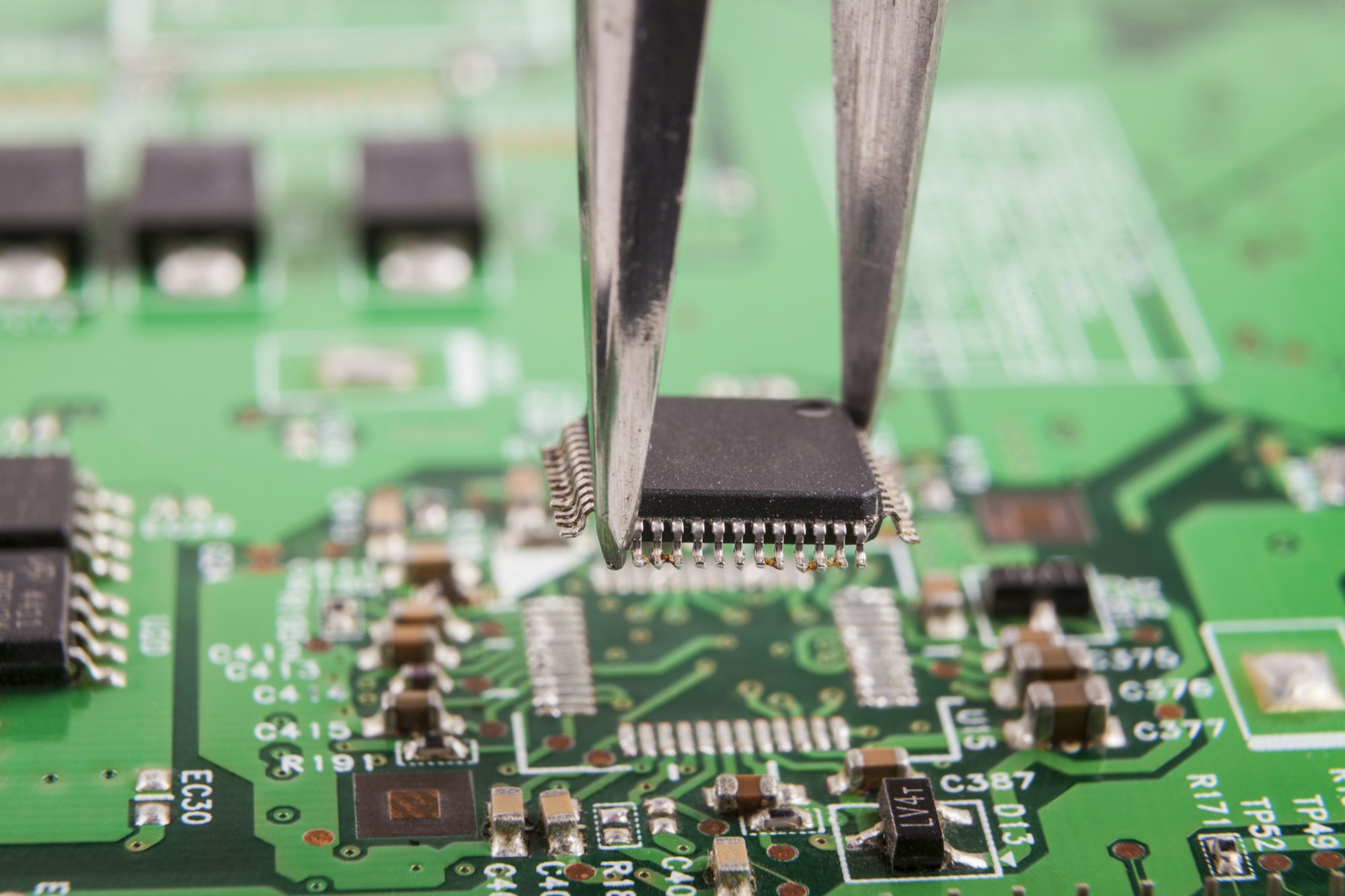
Inspection of SMDs
Get in touch

Where Are We?

Factory Address

Industrial Park, No. 438, Shajing Donghuan Road, Bao'an District, Shenzhen, Guangdong, China

Head Office Address

Floor 4, Zhihui Creative Building, No.2005 Xihuan Road, Shajing, Baoan District, Shenzhen, China

HK Office Address

ROOM A1-13,FLOOR 3,YEE LIM INDUSTRIAL CENTRE 2-28 KWAI LOK STREET, KWAI CHUNG HK,CHINA

Let's Talk

Phone : +86 400 878 3488

Send Us A Message

The more detailed you fill out, the faster we can move to the next step.

Microchip Removal