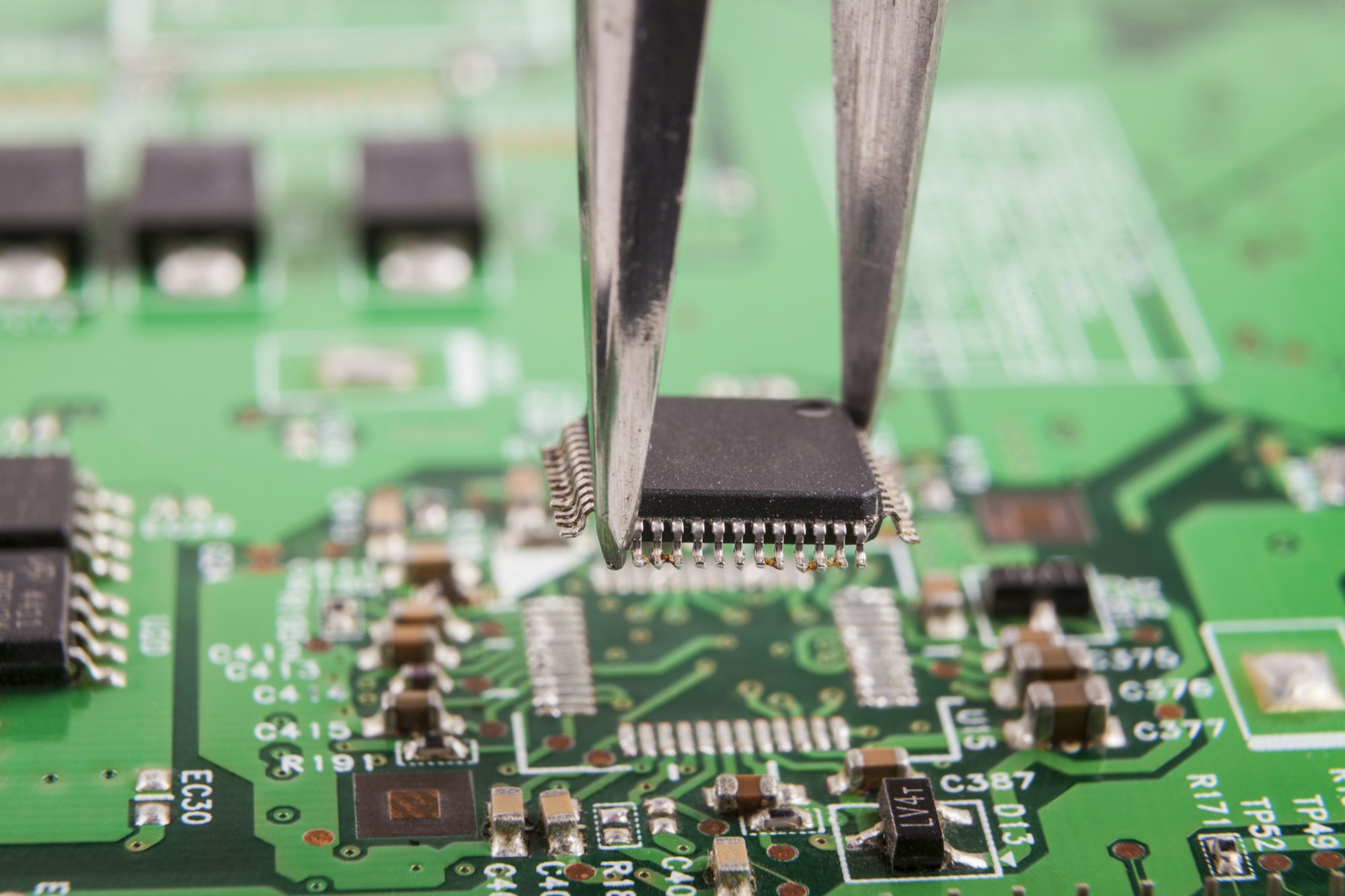

Getting my electronics projects damaged by moisture feels frustrating. Unexpected failures waste time and money. Proper coating protects circuit boards from environmental hazards. This solves many reliability issues.
Clean the PCB first with appropriate solvents. Choose spraying, dipping, or brushing methods. Apply thin, uniform layers in ventilated areas. Follow exact curing times suggested by the manufacturer. Proper coating prevents corrosion and electrical shorts.

Understanding the application basics gets you started. But creating long-lasting protection requires deeper knowledge about types, reliability methods, and cost factors. We’ll explore these essential aspects next.
What are common types of PCB conformal adhesives?
Choosing the wrong product leads to coating failure. Material malfunctions cause circuit damage costs. Identifying matching types prevents these expensive mistakes.
Acrylic, silicone, urethane, and epoxy dominate the market. Acrylic offers easy rework options. Silicone handles extreme temperatures well. Urethane gives superior chemical resistance. Epoxy delivers strong mechanical protection against shocks.
Key Material Properties Guide Selection
| Property | Acrylic | Silicone | Urethane | Epoxy |
|---|---|---|---|---|
| Temperature Range | -40°C to 125°C | -55°C to 200°C | -60°C to 150°C | -50°C to 150°C |
| Rework Difficulty | Easy | Moderate | Difficult | Very Hard |
| Chemical Resistance | Medium | Medium | Excellent | Good |
| Moisture Resistance | Good | Excellent | Excellent | Excellent |
| Application Method | Spray/brush | Dip/spray | Spray/dip | Brush |
Acrylic works well for quick prototyping needs. Its solvent-based removal helps changes after curing. Silicone suits automotive electronics facing temperature variations. Flexible structure handles thermal expansion stresses. Urethane protects industrial PCBs in chemical environments. Resists oils and solvents effectively. Epoxy bonds strongly for military-grade hardware needing impact resistance. Surface tension values differ too. Low-viscosity acrylic flows into tight spaces better than thicker epoxy.
How to ensure PCB conformal adhesive reliability?
Poor coating creates hidden defects. Unseen micro-cracks cause sudden field failures. Implementing quality controls avoids expensive replacements later.
Perform thorough cleaning before coating. Conduct adhesion tests per IPC-CC-830 standards. Verify proper curing with hardness tests. Use mil thickness gauges for uniform measurement. Regular environmental testing confirms long-term protection.

Validation Protocols Prevent Failure
| Test Type | Equipment Needed | Pass Criteria |
|---|---|---|
| Adhesion Tape Test | Pressure-sensitive tape | 0% material removal |
| Dielectric Withstanding | Hi-pot tester | No arcing at 500V |
| Moisture Resistance | Humidity chamber | 95% RH for 168hrs |
| Visual Inspection | 10x Magnifier | No bubbles/pinholes |
| Thermal Cycling | Temperature chamber | 100 cycles at -40°C to 85°C |
Always measure coating thickness after application. Values under 0.005mm offer insufficient protection. Values over 0.08mm cause cracking during thermal cycling. Clean bare boards with plasma treatment before coating work. This removes invisible oils affecting adhesion. Create test coupons on every production panel. Expose them to accelerated aging conditions to confirm failure points early. Document every batch with photo records.
What affects PCB conformal adhesive costs?
Random expenses inflate budgets unexpectedly. Hidden process troubles create overspending. Smart awareness controls project budgets effectively.
Material quality, application complexity, and volume needs change prices. Premium silicone formulas cost more than basic acrylics. Robotic spraying requires higher machinery investments. Bulk purchasing brings unit cost reductions significantly.
Major Cost Components Explained
| Factor | Low-Cost Scenario | High-Cost Scenario | Mitigation Strategy |
|---|---|---|---|
| Material Type | Acrylic ($20/kg) | Fluoropolymer ($150/kg) | Match protection level to operating environment |
| Application Technique | Manual brushing | Selective coating robot | Use masking for partial coverage |
| Labor Requirements | In-house staff | Certified contractors | Train technicians internally |
| Waste Percentage | Under 5% | Over 20% | Automate dispensing |
| Testing Intensity | Basic inspection | Full IPC validation | Start with critical tests |
Machine costs create major differences. Manual brushing needs $100 kits while automated systems start at $15,000. Complex geometries need masking before coating. This adds extra labor time per board. Material waste ratios matter too. Dipping methods waste more solution than spraying. Still, spraying requires solvent recovery systems to meet environmental regulations. Buy in bulk containers instead of small syringes. This can cut material prices 30% per kiloliter. Extra costs include conformal coating removal work for rework scenarios. Strong epoxies need expensive bead blasters.
Conclusion
Success requires preparation, method selection, and curing controls. Choosing appropriate types ensures protection. Reliability testing prevents failures. Smart cost management avoids waste.