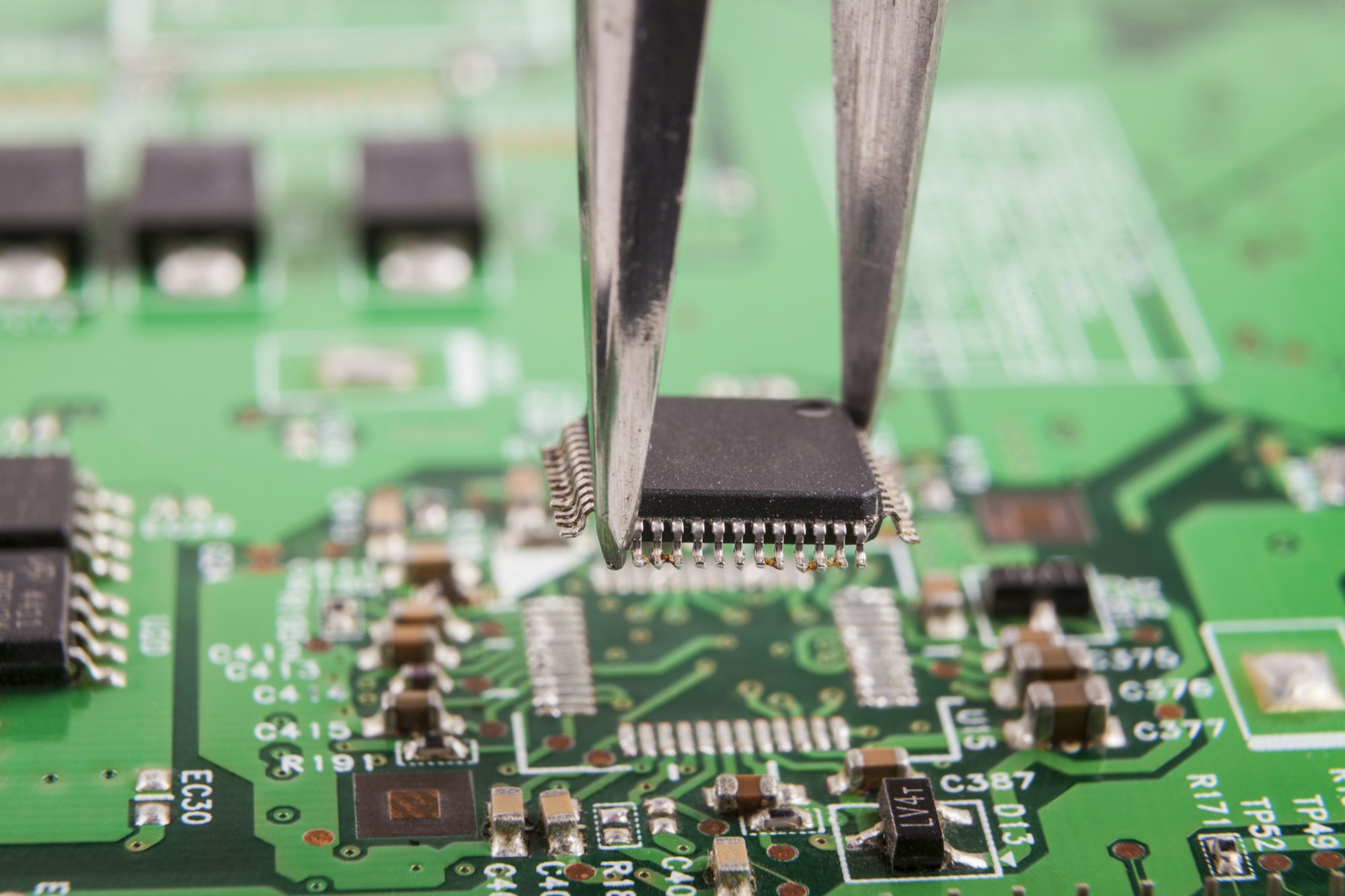

Are you confused about which copper clad laminate to pick for your project? Choosing the wrong one can impact your design performance.
To select the right CCL, understand its specifications and applications based on your needs. This ensures optimal performance in your electronic designs.
When it comes to copper clad laminates, making an informed choice is essential. Many options exist, and the right one will depend on the specific requirements of your project.
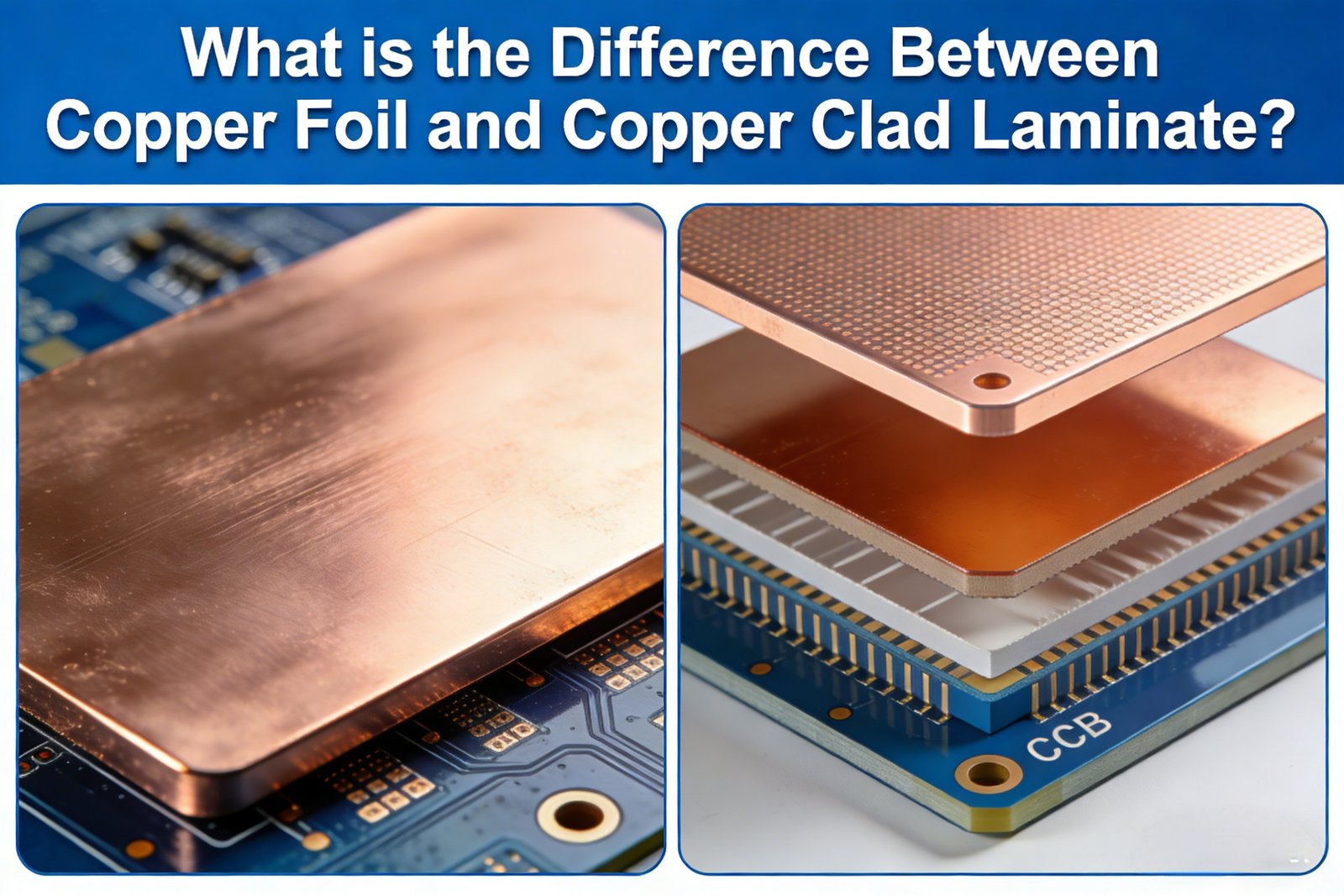
What is the Difference Between Copper Foil and Copper Clad Laminate?
Understanding the differences between copper foil and copper clad laminate can be tricky. Yet, knowing these distinctions is vital for your project's success.
Copper foil is a thin layer of copper, while copper clad laminate is a composite material combining copper and a substrate. This difference affects conductivity and mechanical protection.
Dive Deeper into the Differences
To truly grasp the differences, let’s break down their characteristics:
| Feature | Copper Foil | Copper Clad Laminate |
|---|---|---|
| Composition | Pure copper | Copper and substrate (e.g., FR-4) |
| Thickness | Thin (typically < 1mm) | Varies based on application |
| Application | Direct circuits and shielding | Circuit boards and multi-layer designs |
| Mechanical properties | Flexible, less rigid | Rigid, can withstand soldering temps |
Copper foil is generally used for applications requiring flexibility, while copper clad laminate provides a stronger base for circuit boards. Knowing when to use each can make a big difference.
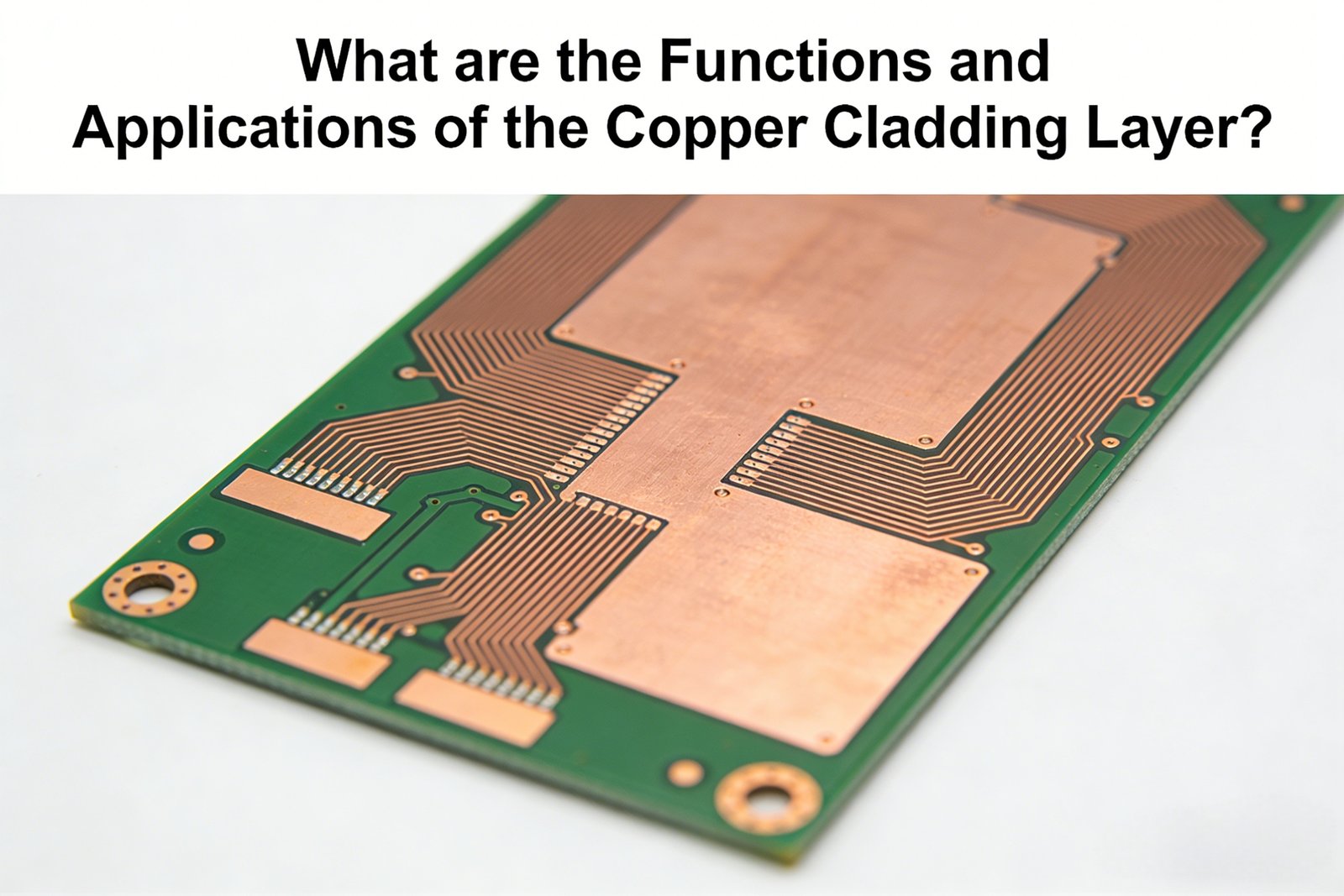
What are the Functions and Applications of the Copper Cladding Layer?
Curious about copper cladding’s roles in electronics? Understanding these functions can enhance your project's reliability and effectiveness.
Copper cladding layers provide electrical conductivity while also adding mechanical strength to circuit boards. It's crucial in ensuring efficient signal transmission.
Functions and Applications Explained
The copper cladding layer serves various functions, including:
| Function | Application |
|---|---|
| Conductive pathway | Connecting components on PCBs |
| Heat dissipation | Used in power electronics for cooling |
| Mechanical support | Enhances durability in harsher environments |
These functions ensure that your electronic devices operate efficiently and reliably. Understanding how to harness them can significantly impact your designs.
Common FAQs About Copper Clad Laminates (CCL): Expert Answers Provided
Got questions about copper clad laminates? Clarifying these common inquiries can help demystify your choices.
FAQs often address material properties, applications, and manufacturing processes of CCLs. Knowing the answers will guide your selection for specific applications.

Addressing Common Questions
-
What material is most commonly used?
- FR-4 is the go-to for many general-purpose applications due to its balance of performance and cost.
-
What should I consider when selecting a laminate?
- Always review specifications like dielectric constant, thermal properties, and application type.
-
Can I use a single type for all applications?
- Not necessarily. Different applications may require different laminates for optimal performance.
I’ve experienced making the wrong choice myself, and it can lead to costly mistakes down the line. So always do thorough research before making your decision.
Conclusion
Choosing the right copper clad laminate involves understanding your unique needs and specifications for optimal performance.