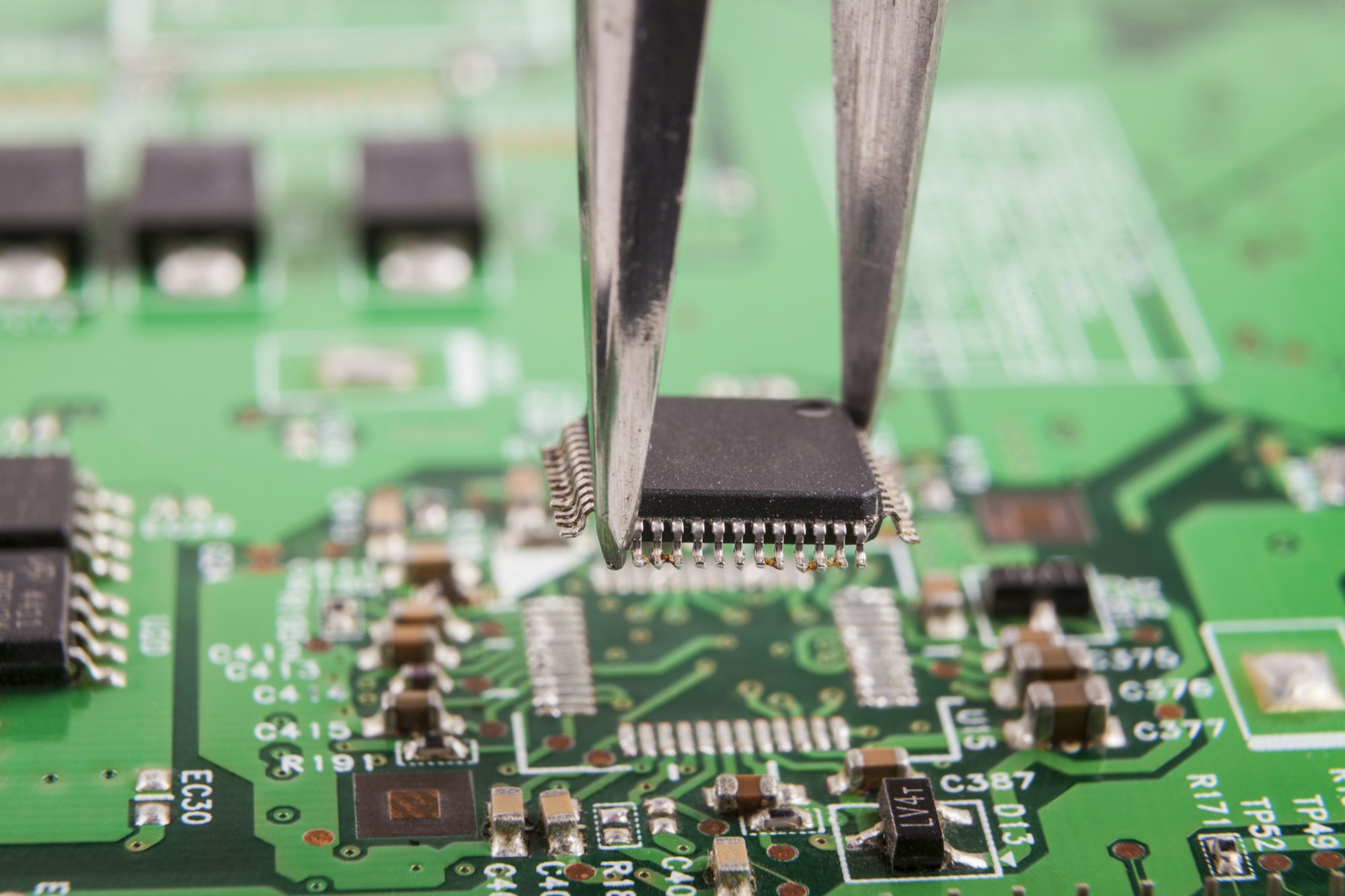
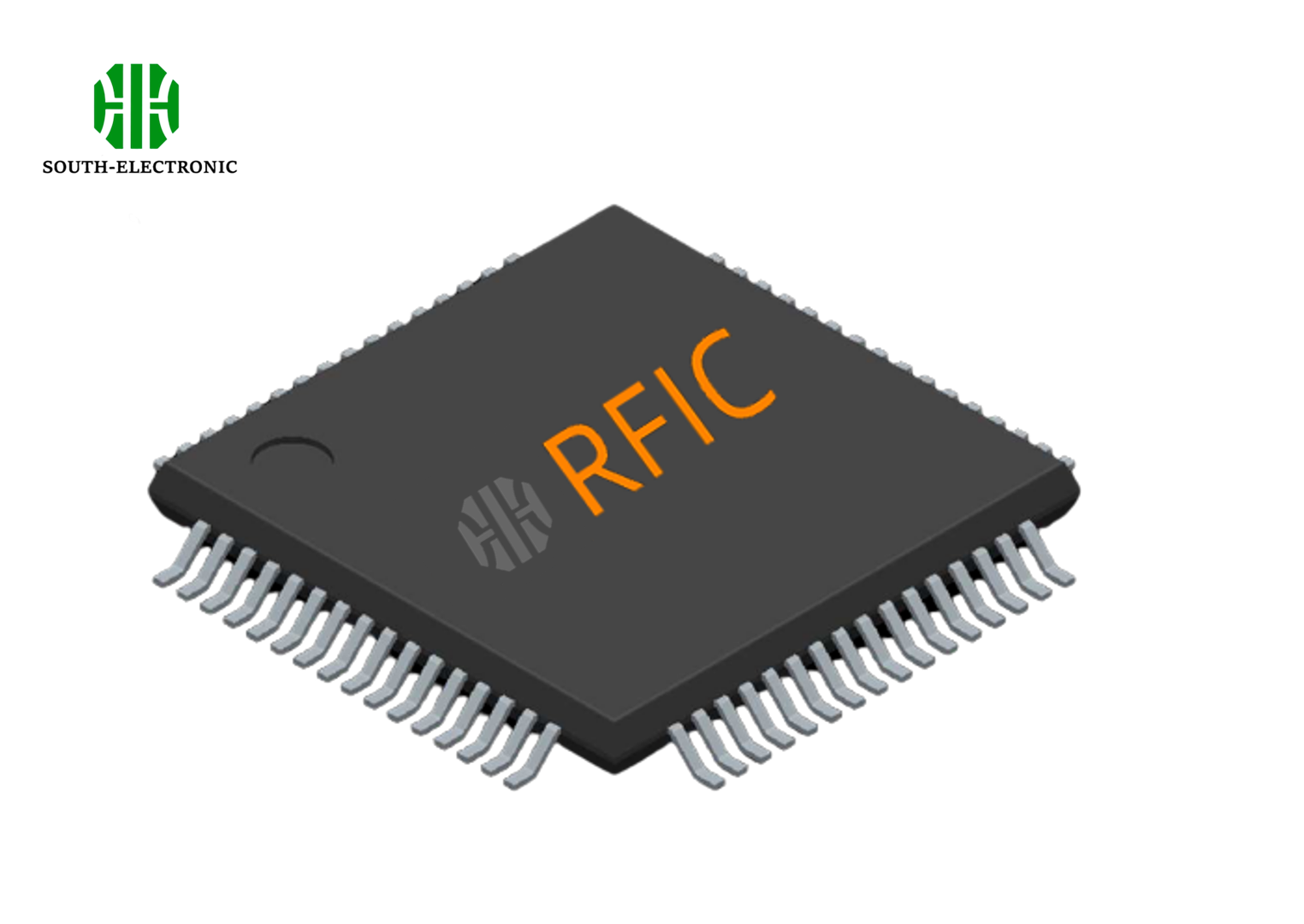
What is an RF IC?
RF ICs are specialized integrated circuits designed to operate at radio frequencies, typically between 300 MHz and 30 GHz. These ICs play a crucial role in wireless communication devices like cell phones, WiFi routers, and more. Understanding and creating your own RF ICs (Radio Frequency Integrated Circuits) can be a highly rewarding experience.
Understanding the core elements of RF ICs is the first step in mastering their design.
Getting Started: Essential Tools and Software
To begin designing your own RF ICs, you’ll need the right tools and software. Here’s a list of essential items:
- CAD Software: Tools like Cadence Virtuoso or Keysight ADS are crucial for designing and simulating RF circuits. These software packages offer robust features for layout design and simulation.
- Simulation Tools: Software such as SPICE (Simulation Program with Integrated Circuit Emphasis) allows for detailed circuit analysis and validation. High-Frequency Structural Simulator (HFSS) is also commonly used for RF design.
- Prototyping Equipment: Essential hardware includes breadboards for initial prototyping, soldering tools for assembling components, and RF testing equipment like spectrum analyzers and network analyzers.
| Tool/Software | Purpose | Examples |
|---|---|---|
| CAD Software | Design and layout | Cadence Virtuoso, Keysight ADS |
| Simulation Tools | Circuit simulation | SPICE, HFSS |
| Prototyping Equipment | Building and testing prototypes | Breadboards, Spectrum Analyzers |

How to Make a Basic RF Transmitter Circuit
Creating a basic RF transmitter circuit involves several key steps:
Circuit Design
First, you gotta get yourself some CAD software. Use that to make a schematic. Make sure you include all the parts and how they’re connected. When you’re picking out parts, make sure you get ones that work for the frequency range you want. You’ll need things like transistors, capacitors, and inductors.
Component Selection
Picking the right parts is key. For a basic RF transmitter, you’ll need parts that can handle the frequency range you want to work with. Think about things like power handling, efficiency, and noise characteristics.
PCB Layout
Laying out the PCB is a big deal. You gotta do it right if you want your signals to work right. You gotta make sure your grounds are good and your traces are laid out right. You gotta simulate your design to make sure it’s gonna work.
Example Projects and Applications
Here are a few simple projects to help you get started with RF IC design:
Basic RF Transmitter and Receiver
This project is all about making two circuits that can send and receive simple signals. It’s a great way to learn about how to make things go beep and how to make things listen for beeps.
Wireless Remote Control
Making a wireless remote control system with RF ICs is a practical and fun project. You’ll build a transmitter that sends control signals and a receiver that interprets them.
RFID Systems
RFID (Radio-Frequency Identification) technology uses electromagnetic fields to automatically identify and track tags attached to objects. Building an RFID reader is a more advanced project that requires knowledge of RF principles and digital signal processing.
| Project | Description | Application |
|---|---|---|
| Basic RF Transmitter & Receiver | Transmits and receives signals | Communication systems |
| Wireless Remote Control | Controls devices remotely | Home automation |
| RFID Reader | Reads RFID tags | Inventory management |

What is RF Circuit Design?
RF circuit design is all about making circuits that can operate at high frequencies. It’s a mix of low-frequency analog design and microwave circuit design. The main parts of RF circuits are:
- Amplifiers:Used to boost signal strength, amplifiers are essential in overcoming signal attenuation in transmission.
- Filters:Filters are used to select specific frequencies and reject unwanted ones. They are crucial in ensuring signal clarity and preventing interference.
- Mixers:Mixers combine different frequencies for signal processing. They are often used in modulation and demodulation processes.
Making your own basic RF ICs is a great way to learn about electronics and RF technology. This guide has covered the tools, techniques, and challenges of RF IC design. Whether you’re working on simple projects like a basic transmitter and receiver or more complex systems like RFID readers, the key is to start small, learn by doing, and keep improving.
Remember, the journey of RF IC design is filled with opportunities to learn and innovate. Embrace the challenges and enjoy the process of creating your own RF devices!