PCB Fabrication Services
South-Electronic

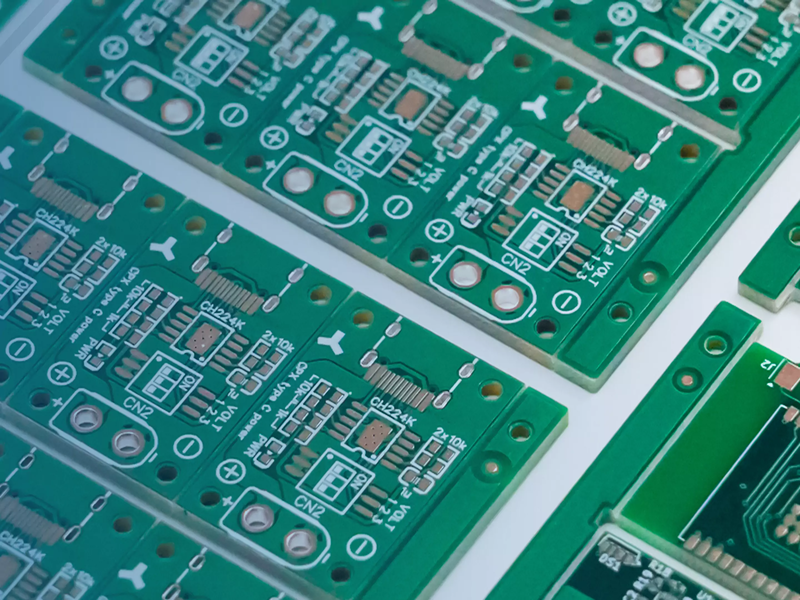
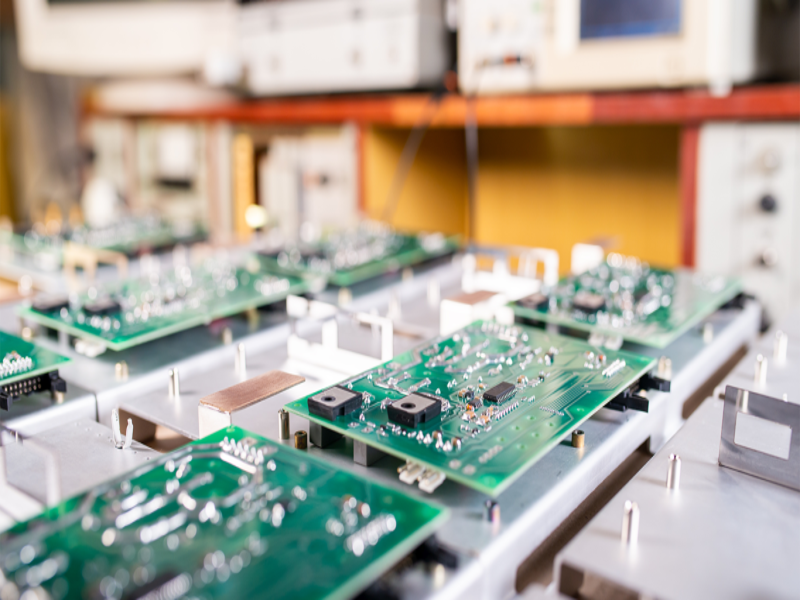
Are you in need of high-quality PCB fabrication? Choose South-Electronic for unmatched quality, reliability, and exceptional value in your PCB manufacturing solutions. From prototyping to mass production, we ensure precision, durability, and compliance with the strictest industry standards.

Related Project We had Done

Common Questions

Most Popular Questions

Send us a message

The more detailed you fill out, the faster we can move to the next step.
The Complete Guide For Multilayer PCB

Contents

Chapter 1

Introduction to PCB Fabrication

What is PCB Fabrication?

PCB Fabrication refers to the process of creating printed circuit boards (PCBs) that serve as the backbone for electronic devices. It involves various stages, from material selection to complex manufacturing processes, ensuring that the final board meets specified performance and reliability standards. PCBs can be single-sided, double-sided, or multilayered, with each configuration offering unique benefits based on the application’s requirements.

History and Evolution of PCB Fabrication

The first printed circuit boards were developed in the early 20th century, laying the foundation for modern electronic assembly. With the advent of technology, PCB fabrication has evolved significantly, incorporating advanced materials, sophisticated design software, and precise manufacturing techniques. Today, the industry continues to innovate with techniques such as additive manufacturing and flexible electronics.

Importance of PCB Fabrication in Modern Electronics

PCB fabrication is essential in virtually all electronic devices. The ability to design and produce PCBs tailored to specific applications allows for increased functionality, improved performance, and enhanced reliability. Industries such as telecommunications, consumer electronics, automotive, and medical devices depend on high-quality PCBs to meet rigorous standards.

Chapter 2

Structure of a PCB

Layers in PCBs

A PCB typically consists of multiple layers that work together to provide functionality. The primary layers include:

  • Conductive Layers: These are the copper layers that create electrical connections within the PCB. The number and arrangement of these layers depend on the complexity of the design.
  • Substrate: The base material that offers structural support, often made from materials like FR-4, which combines fiberglass and epoxy resin.
  • Insulation (Dielectric Layers): Non-conductive materials that separate conductive layers to prevent electrical shorts. These typically consist of prepreg, a composite of resin and fiberglass.

The combination of these layers creates a composite structure that helps maintain signal integrity, reduce electromagnetic interference (EMI), and optimize the overall performance of the PCB.

Inner and Outer Layers

In PCB design, inner and outer layers serve distinct purposes:

  • Outer Layers: These layers, which aren’t insulated like the inner layers, are where most surface-mounted components connect. They often contain solder pads and signal traces transitioning to other parts of the circuit.
  • Inner Layers: These layers are primarily responsible for power routing and grounding, which are essential for effective signal transmission. By separating signals from the outer layers, the design maintains cleaner and more reliable signal pathways.

Via Types

Vias are essential components of PCB design, serving as electrical connections between different layers. There are three main types:

  • Through-Hole Vias: Extend through all layers of the PCB, connecting the top surface to the bottom. They are commonly used but can occupy significant board space.
  • Blind Vias: Connect outer layers to one or more inner layers without going through the entire board. Useful in complex designs for conserving space.
  • Buried Vias: These do not reach the outer layers but connect two or more inner layers. Their use maximizes routing flexibility but complicates manufacturing.

Understanding the structure, including the configuration of layers and via types, is crucial for effective PCB design, optimizing performance, and ensuring manufacturability.

Chapter 3

Benefits of PCB Fabrication

PCB fabrication is a critical step in the development of electronic devices. It involves the manufacturing process of creating printed circuit boards, which serve as the foundation for electronic components. This chapter outlines the key benefits of PCB fabrication, highlighting its importance in the electronics industry.

1. Enhanced Reliability

PCB fabrication processes ensure that the boards are constructed with precision and adhere to high-quality standards. This results in enhanced reliability, as:

  • Consistent Quality: Automated fabrication processes reduce human error, leading to uniformly high-quality products.
  • Durability: Properly fabricated PCBs can withstand environmental factors such as humidity, temperature fluctuations, and mechanical stress.

2. Design Flexibility

PCB fabrication offers significant design flexibility, allowing engineers to create intricate layouts that meet specific functional requirements:

  • Complex Designs: Advanced manufacturing techniques enable the creation of multi-layer boards, supporting complex circuit designs.
  • Customization: Manufacturers can tailor PCBs according to unique specifications, accommodating various sizes, shapes, and materials.

3. Cost Efficiency

PCB fabrication can lead to cost savings through various means:

  • Economies of Scale: High-volume production can significantly reduce the cost per unit, making it economical for mass-produced items.
  • Reduced Material Waste: Efficient manufacturing processes minimize raw material waste, lowering overall production costs.

4. Accelerated Time to Market

Rapid PCB fabrication can expedite the overall development process, allowing products to reach the market more quickly:

  • Quick Prototyping: Manufacturers often offer rapid prototyping services, enabling faster validation of design concepts.
  • Streamlined Production Processes: Automated features and efficient workflows speed up the fabrication timeline.

5. Improved Performance

High-quality PCB fabrication directly contributes to improved performance of electronic devices:

  • Optimized Signal Integrity: Advanced manufacturing capabilities allow for careful routing and layout that enhance signal integrity.
  • Better Thermal Management: Properly fabricated PCBs support effective heat dissipation, crucial for maintaining optimal performance.

6. Simplified Assembly Process

Well-fabricated PCBs facilitate easier assembly and integration of components:

  • Standardized Layouts: Consistent design practices lead to standardized layouts that simplify the assembly process.
  • Automated Assembly Capability: High-quality PCBs are compatible with automated assembly techniques, reducing labor costs and time.

7. Enhanced Testing and Quality Assurance

PCB fabrication allows for rigorous testing and quality assurance measures, ensuring reliability and performance:

  • Built-in Testing Features: Many fabrication processes include features that allow for easier testing during and after production.
  • Quality Certifications: Reputable manufacturers adhere to industry standards, providing additional assurance of quality and performance.

In conclusion, PCB fabrication plays a vital role in the manufacturing of electronic devices, offering numerous benefits such as enhanced reliability, design flexibility, cost efficiency, and improved performance. By leveraging these advantages, companies can develop high-quality electronic products that meet the demands of today’s market.

Chapter 4

Materials Used in PCB Fabrication

The materials utilized in PCB fabrication are fundamental to their performance, durability, and applicability in various electronic devices. The choice of these materials is influenced by factors such as electrical performance, thermal resistance, mechanical strength, and cost considerations. Here is an in-depth overview of common materials and their specific applications in PCB fabrication.

Common Materials: FR4, Polyimide, and Rogers

Several materials are quintessential in constructing PCBs, with the most prominent being:

  • FR4 (Flame Retardant 4):

    FR4 is the most widely used base material in PCB fabrication due to its excellent combination of mechanical, electrical, and thermal properties. Consisting of woven fiberglass and epoxy resin, FR4 demonstrates strong durability and flame resistance, making it the go-to choice for standard PCBs.

    Key Characteristics:
    • High mechanical strength
    • Good electrical insulation
    • Low moisture absorption
    • Flame retardant (meets UL94-V0 standards)
    Applications:

    Ideal for consumer electronics, automotive applications, and general industrial uses where moderate performance specifications are sufficient.

  • Polyimide:

    Polyimide is a high-performance material favored for applications involving high thermal resistance and flexibility. Unlike FR4, polyimide maintains its integrity at elevated temperatures, making it suitable for flexible PCBs and rigid-flex designs that require bends and contours.

    Key Characteristics:
    • Excellent thermal stability (can withstand high temperatures)
    • Superior chemical resistance
    • High flexibility and mechanical durability
    • Good electrical insulation properties
    Applications:

    Commonly used in aerospace, military, and medical devices where high precision and reliability are crucial, especially in extreme conditions.

  • Rogers:

    Rogers is a respected brand for high-frequency, high-performance PCB materials noted for low dielectric constant and loss tangent. These materials excel in maintaining performance at high frequencies, making them ideal for microwave and RF applications.

    Key Characteristics:
    • Low dielectric constant and low loss tangent for high-frequency signal integrity
    • Excellent thermal resistance
    • Stable performance across a wide range of temperatures and frequencies
    • Superior moisture resistance
    Applications:

    Typically used in telecommunications, satellite systems, and RF circuitry where minimal signal loss and maximal performance are critical, particularly relevant for emerging technologies like 5G.

Material Selection Based on Application

Selecting appropriate materials for PCB fabrication is essential and varies based on application requirements. Below are some key considerations:

  • Thermal Performance: For devices exposed to high operating temperatures, materials like polyimide are favored due to their high thermal stability. FR4 can suffice for lower thermal requirements.
  • Signal Integrity: For high-speed applications, low-loss materials such as Rogers are critical for maintaining signal fidelity and minimizing crosstalk.
  • Mechanical Flexibility: Flexibility demands materials like polyimide for applications requiring bending or folding, such as in wearables.
  • Cost Considerations: FR4 is the most economical choice for mass production, while specialized materials like Rogers may incur higher costs but offer superior performance.
  • Moisture and Chemical Resistance: Polyimide and Rogers are preferable in humid or chemically aggressive environments, compared to FR4 which may absorb moisture over time.

Conductive and Non-Conductive Materials

A multilayer PCB is composed of both conductive and non-conductive materials, each serving specific functionalities:

  • Conductive Materials: Primarily composed of copper, known for its excellent electrical conductivity. The thickness of copper layers can vary depending on current-carrying requirements.
  • Other Conductive Materials: In certain applications, alternatives like gold, silver, or aluminum may be utilized for components requiring superior conductivity.
  • Non-Conductive (Dielectric) Materials: These typically consist of materials such as prepreg, FR4, or polyimide, which provide necessary insulation between conductive layers and avoid shorts.

The choice and quality of dielectric materials are essential for controlling the impedance of the PCB, which is instrumental for high-speed signal transmission and overall performance integrity.

Chapter 5

PCB Fabrication Process

The PCB fabrication process is a sophisticated series of steps designed to create high-quality printed circuit boards. Each step is crucial for ensuring that the final product meets the required performance standards and reliability. Below is a detailed breakdown of the key stages involved in the PCB fabrication process.

1. Design and Layout

The initial step in PCB fabrication involves creating a detailed design and layout of the circuit board. This phase typically uses specialized software such as Computer-Aided Design (CAD) tools. Key components of this stage include:

  • Stackup Design: Designers must determine the arrangement of conductive and insulating layers based on the complexity of the circuit and performance requirements.
  • Routing Considerations: Efficient signal trace routing across layers is essential for maintaining signal integrity. Designers must plan location and type of vias to connect different layers.
  • Generation of Gerber Files: Once the design is finalized, a set of files, known as Gerber files, is generated. These files contain all necessary information for guiding the manufacturing process.

2. Layer Preparation

This phase involves preparing the individual layers of the PCB:

  • Copper Layer Imaging: Each copper layer undergoes imaging to create a circuit pattern. A photosensitive film is applied, followed by exposure to UV light, which transfers the design.
  • Etching: Unwanted copper is etched away using chemical baths, leaving behind the desired conductive pathways.
  • Prepreg Application: Prepreg, a composite of resin and fiberglass, is applied between layers as an insulating material.
  • Lamination: Layers of copper and prepreg are stacked and subjected to heat and pressure, bonding them into a solid structure.

3. Drilling and Plating

After lamination, the next stage involves creating holes (vias) for connectivity:

  • Drilling: Precision drilling machines create through-holes based on the design specifications to allow electrical connections between different layers.
  • Plating: After drilling, the interior surfaces of the holes are plated with copper through electroless plating, ensuring that the vias become conductive.
  • Outer Layer Imaging: Similar to inner layers, the outer layers are coated with photoresist, exposed to UV light, and then etched to create outer circuit patterns.

4. Surface Finishing

Once the routing and plating steps are complete, the PCB requires surface finishing:

  • Solder Mask Application: A solder mask is applied to protect the copper traces from oxidation and to prevent solder bridges during component assembly.
  • Silkscreen Printing: Important information such as component designations is printed on the surface to assist during assembly and maintenance.
  • Surface Finish Application: A final finish (e.g., HASL, ENIG, or OSP) protects exposed copper pads and promotes solderability during component placement.

5. Electrical Testing

The finalized PCB undergoes a rigorous testing process to ensure reliability and functionality:

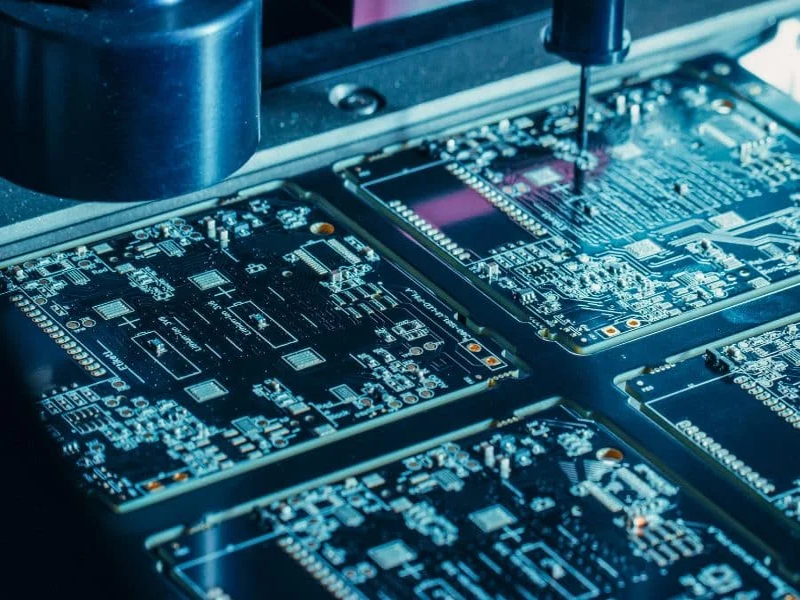
  • Automated Optical Inspection (AOI): A camera scans the PCB to identify defects such as missing traces or solder bridges.
  • Flying Probe Testing: Probes touch test points on the PCB to verify electrical connectivity and check for shorts or open circuits.
  • Functional Testing: The PCB is subjected to operational conditions to validate that it behaves as intended.

6. Final Assembly and Shipping

After all testing is complete and the PCB passes inspection, the final assembly phase occurs:

  • Component Placement: Components are mounted on the PCB using either surface mount technology (SMT) or through-hole techniques.
  • Soldering: The components are soldered in place to ensure reliable electrical connections.
  • Packaging and Shipping: The assembled boards are securely packaged for shipping to customers or for further assembly in end products.

Understanding the entirety of the PCB fabrication process ensures high-quality production and minimizes defects, leading to superior performance in electronic applications.

Chapter  6

PCB Design Considerations

Designing a printed circuit board (PCB) involves careful consideration of various factors to ensure that the final product meets its intended use while maintaining reliability and performance. This chapter discusses critical design considerations that engineers should take into account during the PCB design process.

1. Electrical Performance

Electrical performance is a fundamental aspect of PCB design. Several factors influence it:

  • Signal Integrity: Careful routing of traces is essential to minimize interference and maintain signal quality. Long traces should be avoided as they can lead to signal degradation.
  • Impedance Control: Maintaining consistent impedance is crucial for high-speed signals. Designers must ensure the trace width and spacing are optimized based on the PCB material and layer stackup.
  • Ground Plane Design: A solid ground plane can significantly reduce noise and improve return paths for signals, enhancing overall performance.

2. Thermal Management

Proper thermal management ensures that the PCB operates within its specified temperature limits. Important considerations include:

  • Heat Dissipation: High-power components should be placed strategically to maximize heat dissipation. Thermal vias and copper pours can help spread heat across the board.
  • Component Placement: Keeping heat-sensitive components away from heat-generating ones can reduce the risk of thermal failure.
  • Use of Thermal Pads: Thermal pads can help to transfer heat away from components to the PCB, improving cooling efficiency.

3. Mechanical Considerations

Mechanical integrity is essential for maintaining the physical reliability of the PCB. This involves:

  • Board Thickness: Selecting an appropriate thickness based on mechanical stress and flexural requirements can enhance durability.
  • Mounting Holes: Proper placement and sizing of mounting holes are crucial to prevent mechanical stress on the PCB during assembly and use.
  • Weight Distribution: Optimizing component placement for weight distribution can help reduce stress on the PCB and prevent warping over time.

4. Design for Manufacturability (DFM)

DFM is a practice that ensures the PCB design is optimized for ease of manufacturing. Key factors include:

  • Component Selection: Choosing readily available components can ease sourcing and reduce lead times. Ensure components are placed considering their assembly orientation.
  • Trace Width and Spacing: Following standardized minimum trace widths and spacing will help to avoid manufacturing issues and potential defects.
  • Minimize Complexity: A simpler design generally leads to lower production costs and reduced risk of errors during assembly.

5. Prototyping and Testing

Prototyping is an essential step in the design process, allowing for physical testing of the PCB design. Considerations include:

  • Iterative Testing: Building and testing prototypes enable designers to identify potential issues early in the process and make necessary adjustments.
  • Functional Testing: Verifying that all circuits function as intended under various conditions can help catch design flaws before mass production.
  • Feedback Loop: Gathering feedback from testing can inform future designs and enhance overall reliability and performance.

6. Compliance and Standards

Adhering to industry standards and regulations is crucial for legal compliance and product safety:

  • Certification Requirements: Depending on the end application, certification from regulatory bodies like UL or CE may be necessary.
  • RoHS Compliance: Understanding and implementing environmentally friendly practices by avoiding hazardous materials can be a legal requirement in many markets.
  • Manufacturing Standards: Ensuring that the design meets IPC standards can facilitate consistent quality in PCB production.

By considering these factors throughout the design process, engineers can create PCBs that not only function reliably but also meet the demands of modern electronic applications effectively.

Chapter 7

Common Applications of PCBs

Printed Circuit Boards (PCBs) play a crucial role in the functionality of a wide array of electronic devices. Their versatility and reliability make them indispensable components across various industries. This chapter explores some of the most common applications of PCBs and highlights their significance in modern technology.

1. Consumer Electronics

PCBs are prevalent in consumer electronics, serving as the backbone for devices such as:

  • Smartphones: Complex PCBs support various functionalities including touchscreens, cameras, and connectivity options.
  • Tablets and Laptops: Multi-layered PCBs accommodate processors, memory modules, and power management systems.
  • Home Appliances: Devices like microwaves, washing machines, and refrigerators integrate PCBs for control and operation.

2. Automotive Industry

The automotive sector relies heavily on PCBs for enhancing vehicle performance and safety features. Applications include:

  • Engine Control Units (ECUs): PCBs manage engine performance, fuel efficiency, and emissions.
  • Infotainment Systems: PCB technology powers multimedia systems, GPS navigation, and connectivity features.
  • Safety Systems: Advanced Driver Assistance Systems (ADAS) and airbag control systems utilize PCBs for critical safety functions.

3. Medical Devices

In the medical field, PCBs are essential for precision and reliability in various applications, including:

  • Diagnostic Equipment: PCBs are found in devices such as MRI machines, X-ray machines, and ultrasound devices.
  • Wearable Health Monitors: Integrating PCBs in devices like heart rate monitors and smartwatches enables continuous health tracking.
  • Therapeutic Devices: Equipment such as infusion pumps and pacemakers relies on reliable PCBs for operation and patient safety.

4. Telecommunications

The telecommunications industry utilizes PCBs for facilitates communication technologies, including:

  • Network Equipment: Routers, switches, and modems use PCBs to manage data transmission and connectivity.
  • Mobile Communication Devices: Base stations and cell towers rely on PCBs for transmitting and receiving signals.
  • Satellite Technology: PCB technology is fundamental in satellite communication devices for signal processing and control.

5. Industrial Equipment

PCBs are essential in the industrial sector, offering control and automation features in various applications:

  • Manufacturing Equipment: PCBs control robotics and automated machinery for precision manufacturing.
  • Instrumentation: Measurement instruments and process control devices leverage PCBs to ensure accurate readings.
  • Energy Management Systems: Power distribution and management systems rely on PCB technology for optimal energy usage.

6. Aerospace and Defense

In aerospace and defense, PCBs are critical for mission-critical applications due to their reliability and performance in harsh environments:

  • Avionics: PCBs are used in flight control, navigation, and communication systems of aircraft.
  • Military Equipment: Device control systems in military hardware, drones, and unmanned vehicles depend on robust PCBs.
  • Space Technology: PCBs are utilized in satellite systems, providing the necessary connectivity for space exploration and communication.

As technology advances, the applications of PCBs continue to expand, integrating into newer domains such as IoT devices, renewable energy systems, and smart home technology. The versatility makes PCBs an integral part of modern electronic innovation.

Chapter 8

Challenges in PCB Design

Designing printed circuit boards (PCBs) is a complex task that involves multiple considerations and potential challenges. As technology evolves, designers face new difficulties that can impact the performance, reliability, and manufacturability of PCBs. This chapter discusses some of the key challenges encountered in PCB design.

1. Increasing Complexity

Modern electronic devices demand more functionality in a compact form factor, leading to increasingly complex PCB designs. Challenges include:

  • Multi-layer Boards: Managing signal integrity and power distribution across multiple layers can complicate the design process.
  • High Pin Counts: Components with numerous pins make routing and layout more challenging, often leading to potential errors.
  • Mixed Signal Designs: Combining analog and digital circuits on the same PCB can result in noise issues and requires careful separation techniques.

2. Signal Integrity Issues

Ensuring the integrity of signals is crucial for high-speed applications. Key concerns include:

  • Cross-talk: Unwanted interference between adjacent traces can lead to performance degradation. Designers must implement appropriate spacing and shielding techniques.
  • Impedance Mismatch: Inconsistent impedance can lead to signal reflections and loss. Careful routing and termination are necessary to mitigate this.
  • Ground Bounce: High-speed switching can cause voltage variations in the ground plane, affecting the performance of sensitive components.

3. Thermal Management

Managing heat dissipation is critical in PCB design, particularly in high-power or densely packed applications. Challenges include:

  • Component Placement: Placing heat-generating components near sensitive ones can lead to thermal issues. Designers must strategically layout components to minimize heat transfer.
  • Cooling Solutions: Implementing effective thermal management measures, such as heat sinks and airflow considerations, can be challenging in compact designs.
  • Material Selection: Choosing materials with appropriate thermal conductivity properties affects the board’s ability to dissipate heat.

4. Regulatory Compliance

PCBs must comply with various standards and regulations, which can pose challenges during the design process:

  • Environmental Regulations: Adhering to regulations like RoHS and WEEE requires careful material selection to avoid hazardous substances.
  • Industry Standards: Keeping up with standards, such as IPC specifications, can be demanding and requires continuous education.
  • Certification Processes: Obtaining necessary certifications may prolong project timelines and require additional testing.

5. Cost Management

Balancing performance and cost is a common challenge in PCB design. Key points include:

  • Material Costs: Premium materials for high-performance PCBs can significantly increase manufacturing costs.
  • Manufacturing Complexity: Complex designs may lead to higher production costs due to longer assembly times and increased risk of defects.
  • Supply Chain Challenges: Fluctuations in component costs and availability can impact budget planning and lead to project delays.

6. Design Tools and Software

While advanced design tools can streamline the PCB design process, they also introduce challenges, including:

  • Learning Curve: New software features often require time and training for designers to utilize effectively.
  • Compatibility Issues: Ensuring interoperability between different tools and platforms can complicate the design process.
  • Version Control: Managing changes and updates in collaborative environments can be difficult, potentially leading to design errors.

Addressing these challenges requires a combination of experience, knowledge, and continuous learning. By understanding the potential obstacles in PCB design, engineers can better prepare themselves to create effective and reliable circuit boards for a rapidly evolving technological landscape.

PCB

Chapter 9

PCB

PCB Prototyping and Testing

Prototyping and testing are crucial steps in the PCB design process that help ensure the final product meets specifications and functions reliably. This chapter discusses the various methods for prototyping PCBs and the importance of thorough testing to validate the design.

1. Prototyping Methods

Various prototyping methods can be utilized to create functional models of PCBs. Key methods include:

  • Single-Sided Prototyping: Involves creating a simple board with components placed only on one side. This method is cost-effective and suitable for less complex designs.
  • Double-Sided Prototyping: Allows components on both sides of the board, accommodating more complex designs without increasing the size.
  • Multi-Layer Prototyping: Involves creating boards with multiple layers to support high-density designs, commonly used in advanced applications.
  • Rapid Prototyping: Techniques such as 3D printing and CNC machining can create prototypes quickly, allowing for faster validation of designs.
  • Pre-production Prototypes: These are manufactured using the same processes intended for the final product, providing a better representation of production quality.

2. Testing Methods

Thorough testing is essential to ensure that the PCB meets all performance and reliability requirements. Common testing methods include:

  • Functional Testing: Verifies that the PCB operates as intended under normal conditions. This includes testing all functional features and capabilities.
  • In-Circuit Testing (ICT): Involves checking the integrity of individual components and connections on the board using specialized test fixtures.
  • Boundary Scan Testing: Uses a technique that allows testing of interconnections without physical probing, ideal for complex boards.
  • Environmental Testing: Assesses the PCB’s performance under various environmental conditions, such as temperature, humidity, and vibration.
  • Thermal Testing: Monitors temperature distribution on the PCB during operation to ensure critical components remain within safe limits.

3. Prototyping Best Practices

To maximize the effectiveness of PCB prototyping, consider the following best practices:

  • Iterative Prototyping: Create multiple prototypes through an iterative process to identify and resolve issues gradually.
  • Design for Testing (DFT): Incorporate test points and access for measurement within the design to simplify testing efforts.
  • Documentation: Maintain clear and thorough documentation of the design, test procedures, and results to aid in future iterations.
  • Component Selection: Choose components that are readily available and have proven reliability to ensure successful prototyping.
  • Collaboration: Foster communication among design, engineering, and manufacturing teams to address potential issues early in the prototyping phase.

4. Challenges in Prototyping and Testing

The prototyping and testing phases can present various challenges, including:

  • Time Constraints: Limited timelines can pressure teams to rush through prototyping and testing, increasing the risk of errors.
  • Cost Considerations: Prototyping can be costly, especially for complex designs, requiring careful budgeting and resource allocation.
  • Component Availability: Supply chain issues may hinder access to the necessary components for building prototypes.
  • Unexpected Design Flaws: Prototypes may reveal unforeseen issues in design that can require extensive rework.
  • Testing Limitations: Some issues may only become apparent after extensive real-world testing, potentially leading to delays.

Prototyping and testing are essential steps in the PCB design cycle that help ensure final products are reliable, functional, and meet specifications. By employing effective prototyping methods and thorough testing protocols, designers can significantly reduce the risk of failures and improve overall product quality.

Chapter 10

Choosing the Right PCB Manufacturer

Selecting the right PCB manufacturer is a critical decision that can significantly impact the quality, reliability, and cost of your printed circuit boards. This chapter discusses important factors, considerations, and steps to ensure that you choose a manufacturer that aligns with your project’s needs.

1. Assessing Manufacturing Capabilities

Before selecting a PCB manufacturer, it is vital to assess their capabilities:

  • Technology and Equipment: Ensure the manufacturer uses modern equipment and technology to support your specific requirements, such as multi-layer boards, blind/buried vias, and HDI technologies.
  • Production Capacity: Consider the manufacturer’s production capacity to meet your volume needs, whether small-scale prototyping or large-scale production.
  • Quality Control Measures: Investigate the quality control processes in place, including certifications such as ISO 9001 or IPC-A-600.

2. Evaluating Experience and Expertise

A manufacturer’s experience can be a strong indicator of reliability:

  • Industry Experience: Choose a manufacturer with a proven track record in your specific industry, whether it be automotive, medical, or consumer electronics.
  • Technical Expertise: Look for manufacturers with a team of engineers and technicians who possess the necessary technical knowledge to address your design requirements.
  • Portfolio of Past Projects: Review the manufacturer’s portfolio to assess their ability to handle projects similar to yours.

3. Cost Considerations

While cost should not be the sole determining factor, it is an important consideration:

  • Competitive Pricing: Obtain quotes from multiple manufacturers to identify competitive pricing and ensure transparency in pricing structure.
  • Hidden Costs: Be aware of potential hidden costs related to tooling, shipping, or design modifications that could impact your budget.
  • Value for Money: Consider the overall value offered by a manufacturer, including quality, lead time, and customer support, in addition to cost.

4. Lead Time and Delivery

Timeliness is critical in the PCB manufacturing process:

  • Production Lead Times: Inquire about lead times for production, especially if you have tight project deadlines.
  • Delivery Reliability: Evaluate the manufacturer’s track record for meeting delivery dates and their ability to handle urgent orders.
  • Shipping Options: Consider available shipping methods and their impact on time and cost.

5. Communication and Support

Effective communication is key to a successful partnership with a PCB manufacturer:

  • Responsiveness: Choose a manufacturer known for timely responses to inquiries and concerns during the design and production process.
  • Technical Support: Assess the availability of technical support to address issues that may arise during manufacturing.
  • Clear Communication Channels: Ensure that the manufacturer has established communication channels for project updates and collaboration.

6. Testing and Quality Assurance

Quality assurance is crucial for reliable PCBs:

  • Testing Protocols: Inquire about the manufacturer’s testing methods to ensure product reliability, such as functional testing, ICT, and environmental testing.
  • Return and Warranty Policies: Understand the manufacturer’s policies on defective boards, returns, and warranties to mitigate potential risks.

7. Customer Reviews and Referrals

Researching a manufacturer’s reputation can provide insights into their reliability:

  • Customer Testimonials: Look for customer reviews and testimonials that reflect the manufacturer’s quality and services.
  • Referrals from Industry Peers: Seek recommendations from colleagues or industry contacts who have firsthand experience with particular manufacturers.

Choosing the right PCB manufacturer is a vital step in ensuring the success of your projects. By carefully evaluating these factors and maintaining clear communication throughout the process, you can establish a productive relationship with a manufacturer that meets your needs and supports your goals.

Inspection of SMDs
Get in touch

Where Are We?

Factory Address

Industrial Park, No. 438, Shajing Donghuan Road, Bao'an District, Shenzhen, Guangdong, China

Head Office Address

Floor 4, Zhihui Creative Building, No.2005 Xihuan Road, Shajing, Baoan District, Shenzhen, China

HK Office Address

ROOM A1-13,FLOOR 3,YEE LIM INDUSTRIAL CENTRE 2-28 KWAI LOK STREET, KWAI CHUNG HK,CHINA

Let's Talk

Phone : +86 400 878 3488

Send Us A Message

The more detailed you fill out, the faster we can move to the next step.

Microchip Removal