Rigid PCB Supplier
South-Electronic

Are you ready to elevate your electronic applications with cutting-edge Rigid PCB technology? At South-Electronic, we are dedicated to delivering top-tier Rigid PCBs that enhance connectivity, reliability, and functionality, ensuring your devices operate flawlessly and intelligently.

Why Choose South-Electronic?

Related Project We had Done

Common Questions

Most Popular Questions

Send us a message

The more detailed you fill out, the faster we can move to the next step.
The Complete Guide For Rigid PCB

Contents

Chapter 1

What is a Rigid PCB?

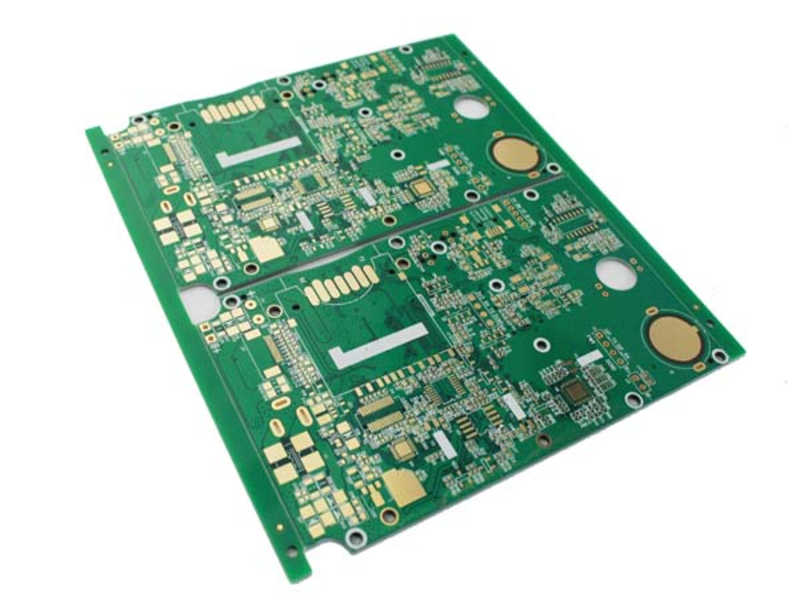
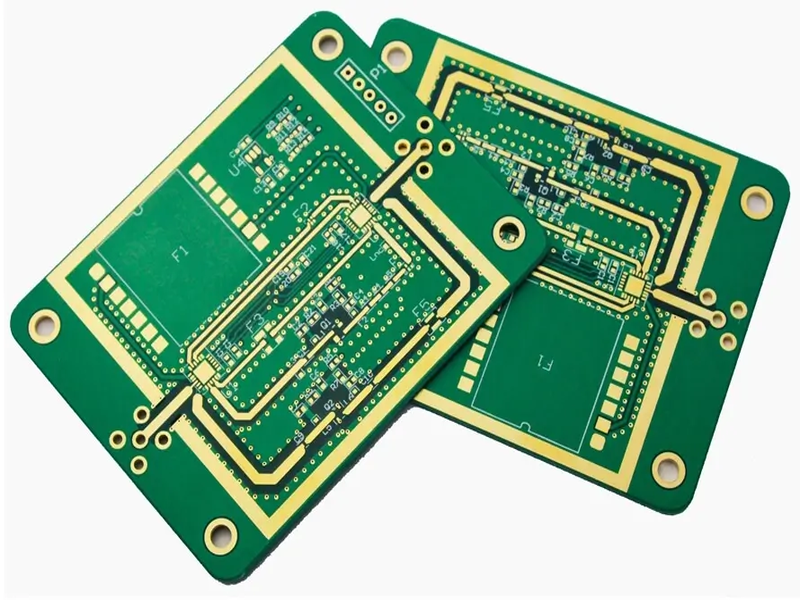
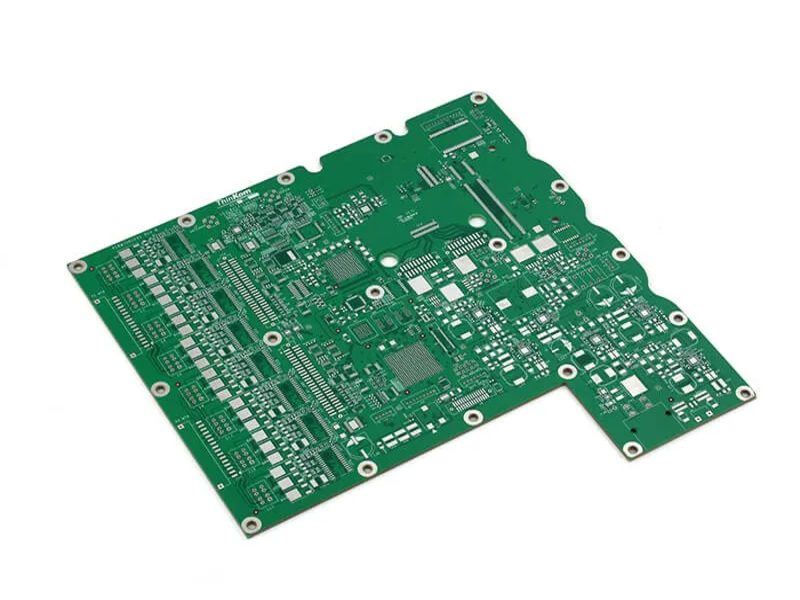
A Rigid Printed Circuit Board (PCB) is a traditional type of PCB made from solid, inflexible materials. Unlike flexible or semi-rigid PCBs, which can bend or flex, rigid PCBs maintain a consistent shape and structure. They are commonly used in various electronic components, providing a stable platform for mounting and connecting various electronic components.

Chapter 2

Structure of a Rigid PCB

The structure of a rigid PCB typically consists of multiple layers of material:

  • Substrate Layer: Usually made of FR-4, a type of fiberglass epoxy, providing insulation and mechanical support.
  • Conductive Layers: Copper layers are etched to form circuit pathways for electrical signals.
  • Silkscreen Layer: This layer is printed with design information, including component labels and other identifiers.
  • Solder Mask: A protective layer that covers the copper traces, preventing accidental short circuits and providing insulation.

Chapter 3

Advantages of Rigid PCB

  • Durability: Rigid PCBs can withstand environmental stresses and mechanical loads, making them reliable for long-term use.
  • Mechanical Stability: They maintain their shape during assembly and operation, ensuring that components remain firmly attached.
  • Ease of Assembly: Rigid PCBs can be assembled with various components using traditional soldering processes.
  • High Density: Capable of accommodating complex designs and high component density.
  • Chapter 4

    Common Applications of Rigid PCB

    Rigid PCBs are widely used in various industries, including:

    • Consumer Electronics: Smartphones, laptops, and other handheld devices.
    • Industrial Equipment: Controllers, automation devices, and machinery.
    • Automotive: Engine control units, infotainment systems, and safety devices.
    • Medical Devices: Imaging equipment, monitoring devices, and diagnostic tools.

    Chapter 5

    Materials Used in Rigid PCBs

    The common materials used for rigid PCBs include:

    • FR-4: The most widely used substrate material due to its excellent mechanical and electrical properties.
    • Copper: Used for conductive pathways, with varying thicknesses depending on current requirements.
    • Solder Mask Materials: Typically made from epoxy or liquid photoimageable (LPI) materials for protection.
    • Silkscreen Inks: Usually made from epoxy or UV-reactive materials for labels and identifiers.

    Chapter 6

    Design Process for Rigid PCB

    The design process involves several key steps:

    • Schematic Design: Creating a circuit diagram that outlines the connections between components.
    • PCB Layout: Translating the schematic into a physical board layout, considering spacing, routing, and component placements.
    • Design Rule Check (DRC): Verifying that the design adheres to manufacturing and electrical standards.
    • Prototype Development: Creating a prototype for testing before mass production.

    Chapter 7

    Manufacturing Process of Rigid PCB

    The manufacturing process includes the following steps:

    • Material Preparation: Cutting and preparing the substrate and copper foil.
    • Etching: Removing excess copper to form the desired circuit patterns.
    • Layer Lamination: Bonding multiple layers together to create multilayer PCBs.
    • Drilling: Creating holes for vias and component leads.
    • Finishing: Applying solder mask and silkscreen, followed by surface finish processes.

    Cahpter 8

    Testing and Quality Assurance

    Quality assurance in rigid PCB manufacturing involves:

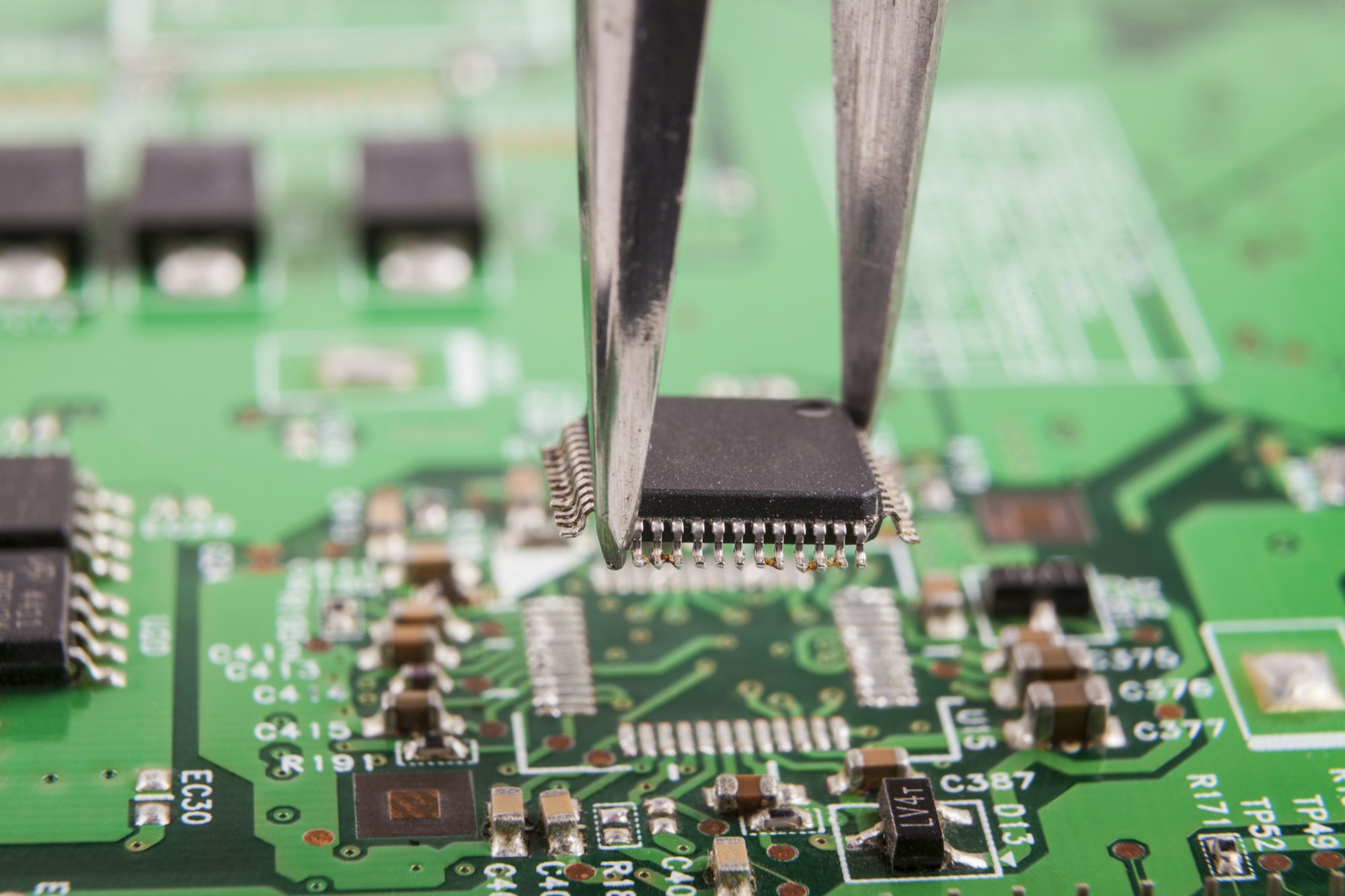
    • Visual Inspection: Checking for defects and ensuring clean solder joints.
    • Functional Testing: Verifying that the PCB operates correctly by testing with actual components.
    • Electrical Testing: Conducting continuity tests and checking for shorts or opens.
    • Thermal Testing: Ensuring the PCB can withstand the thermal load of the components without failure.
    PCB

    Chapter 9

    PCB

    9. Cost Factors of Rigid PCB

    Several factors affect the cost of rigid PCBs, including:

    • Material Costs: The type and quality of materials used.
    • Layer Count: More complex designs with multiple layers are generally more expensive.
    • Quantity: Ordering in bulk can reduce per-unit costs.
    • Manufacturing Processes: Advanced techniques, such as laser drilling or special finishes, increase costs.

    Chapter 10

    10. How to Choose a Rigid PCB Manufacturer?

    When selecting a rigid PCB manufacturer, consider the following:

    • Experience and Reputation: Look for established companies with a history of quality and reliability.
    • Capabilities: Ensure the manufacturer can handle the complexity of your design and any specific material needs.
    • Quality Certifications: Check for industry standards such as IPC, ISO, and UL certifications.
    • Customer Support: Evaluate their communication, responsiveness, and willingness to collaborate on design challenges.
    • Pricing: Compare quotes while considering quality; the lowest cost may not always be the best choice.
    Inspection of SMDs
    Get in touch

    Where Are We?

    Factory Address

    Industrial Park, No. 438 Donghuan Road, No. 438, Shajing Donghuan Road, Bao'an District, Shenzhen, Guangdong, China

    Head Office Address

    Floor 4, Zhihui Creative Building, No.2005 Xihuan Road, Shajing, Baoan District, Shenzhen, China

    HK Office Address

    ROOM A1-13,FLOOR 3,YEE LIM INDUSTRIAL CENTRE 2-28 KWAI LOK STREET, KWAI CHUNG HK

    Email Support

    service@southelectronicpcb.com

    Let's Talk

    Phone : +86 400 878 3488

    Send us a message

    The more detailed you fill out, the faster we can move to the next step.

    Get in touch

    Where Are We?

    Factory Address

    Industrial Park, No. 438, Shajing Donghuan Road, Bao'an District, Shenzhen, Guangdong, China

    Head Office Address

    Floor 4, Zhihui Creative Building, No.2005 Xihuan Road, Shajing, Baoan District, Shenzhen, China

    HK Office Address

    ROOM A1-13,FLOOR 3,YEE LIM INDUSTRIAL CENTRE 2-28 KWAI LOK STREET, KWAI CHUNG HK,CHINA

    Let's Talk

    Phone : +86 400 878 3488

    Send Us A Message

    The more detailed you fill out, the faster we can move to the next step.

    Microchip Removal