Solder masks are essential in PCB manufacturing; understanding their composition and purpose ensures quality and reliability.
The solder mask serves to protect the circuitry from environmental exposure and prevents solder bridging during assembly.
Solder masks play a critical role in PCBs, but many overlook their materials and functions. This knowledge is key to enhancing performance and durability.
What is the purpose of a solder mask?
Solder masks might seem trivial, but they significantly impact PCB reliability and longevity.
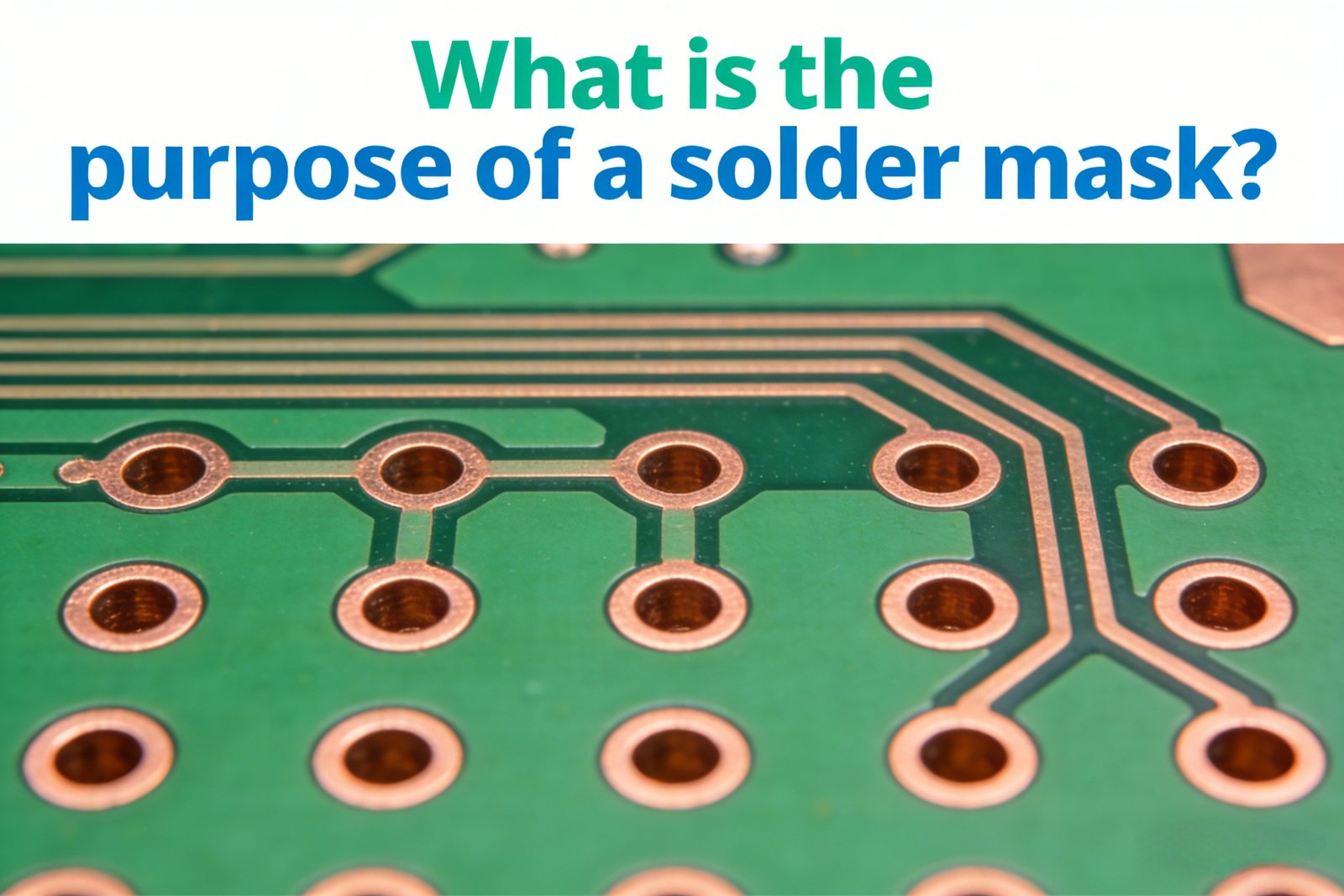
The purpose of a solder mask includes protecting the board from moisture, dust, and corrosion, as well as preventing solder bridges.
To understand solder masks better, let’s delve into their materials and why they are essential. Without this information, we risk compromising our PCB's effectiveness.
Dive Deeper into the Purpose of Solder Masks
Solder masks are not just protective layers; they serve multiple functions to enhance the operational efficiency of PCBs.
- Moisture Protection: They shield the conductive traces from moisture, preventing oxidation.
- Solder Bridge Prevention: By covering unneeded areas, they stop solder from accidentally connecting different pads.
- Aesthetic Quality: A clean, colored solder mask improves the appearance of PCBs.
| Function | Benefit |
|---|---|
| Moisture Protection | Prevents corrosion |
| Solder Bridge Prevention | Ensures correct solder application |
| Aesthetic Quality | Enhances product appeal |
Understanding these points is crucial for anyone involved in PCB design or assembly.
What materials are used for solder masks?
When it comes to materials, knowing the right types can make a difference.
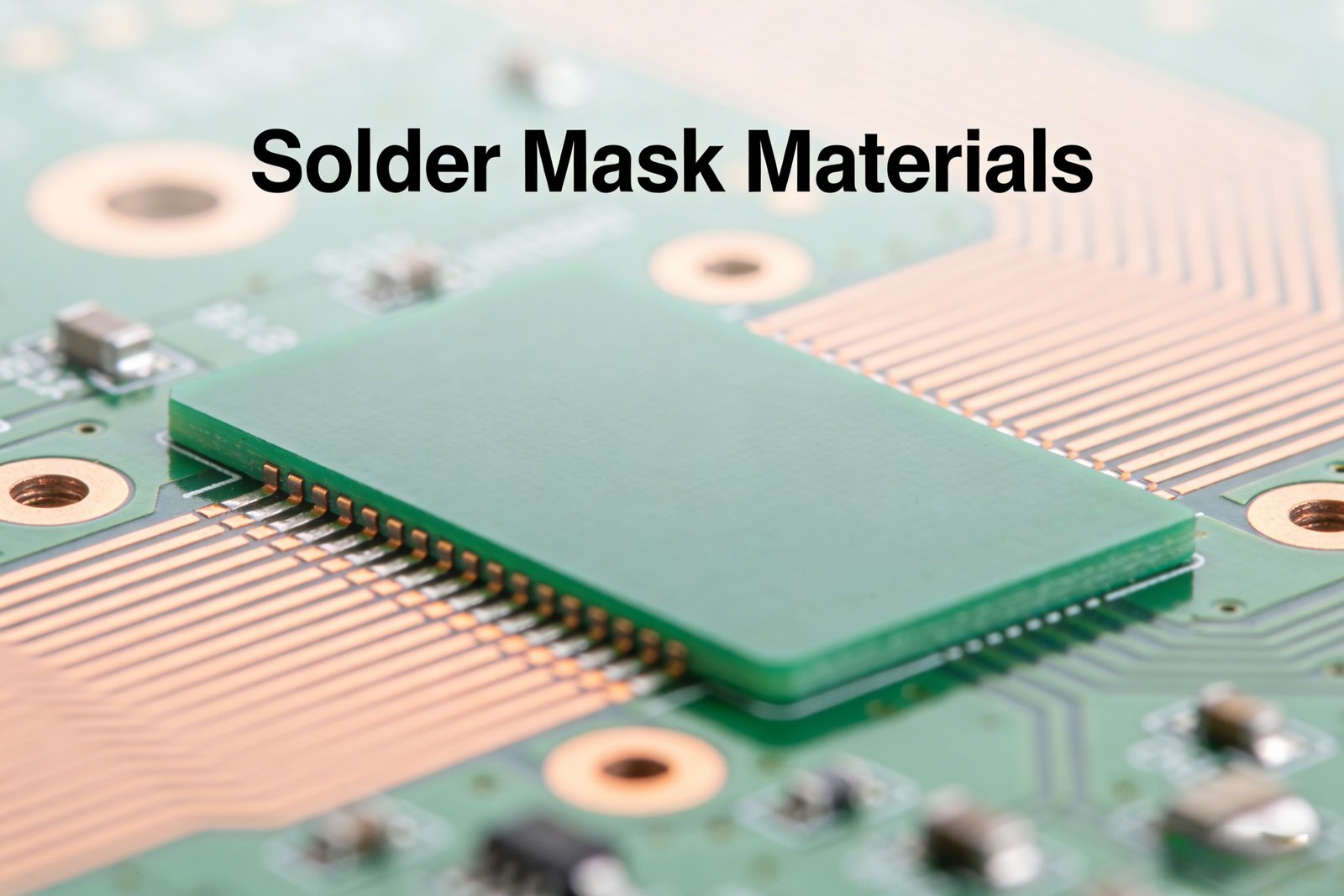
The most common materials for solder masks are epoxy resins, polyimide, and acrylic resins, each offering different benefits depending on the application.
While the material might seem like a minor detail, selecting the right one can mean the difference between a robust PCB and one that fails.
Dive Deeper into Solder Mask Materials
Modern solder masks rely on a mixture of materials that enhance performance and durability. Here’s a breakdown of typical materials used:
- Epoxy Resins: These are the most common solder masks due to their strength and chemical resistance.
- Polyimide Resins: Used for high-performance applications like aerospace, offering superior heat resistance.
- Acrylic Resins: These are cheaper but are better suited for low-cost applications with less durability.
| Material Type | Characteristics | Best Use Cases |
|---|---|---|
| Epoxy Resins | Strong, chemical resistant | Standard PCBs |
| Polyimide Resins | High heat resistance | Aerospace, high-temperature systems |
| Acrylic Resins | Cost-effective but less durable | Basic or low-cost applications |
These insights can guide your selections for various PCB needs, ensuring you use the best solder mask for your project.
What colors and finishes are available for PCB solder masks?
Are you curious about the aesthetics of solder masks?
Solder masks come in various colors like green, black, and blue, affecting visibility and heat absorption during soldering.
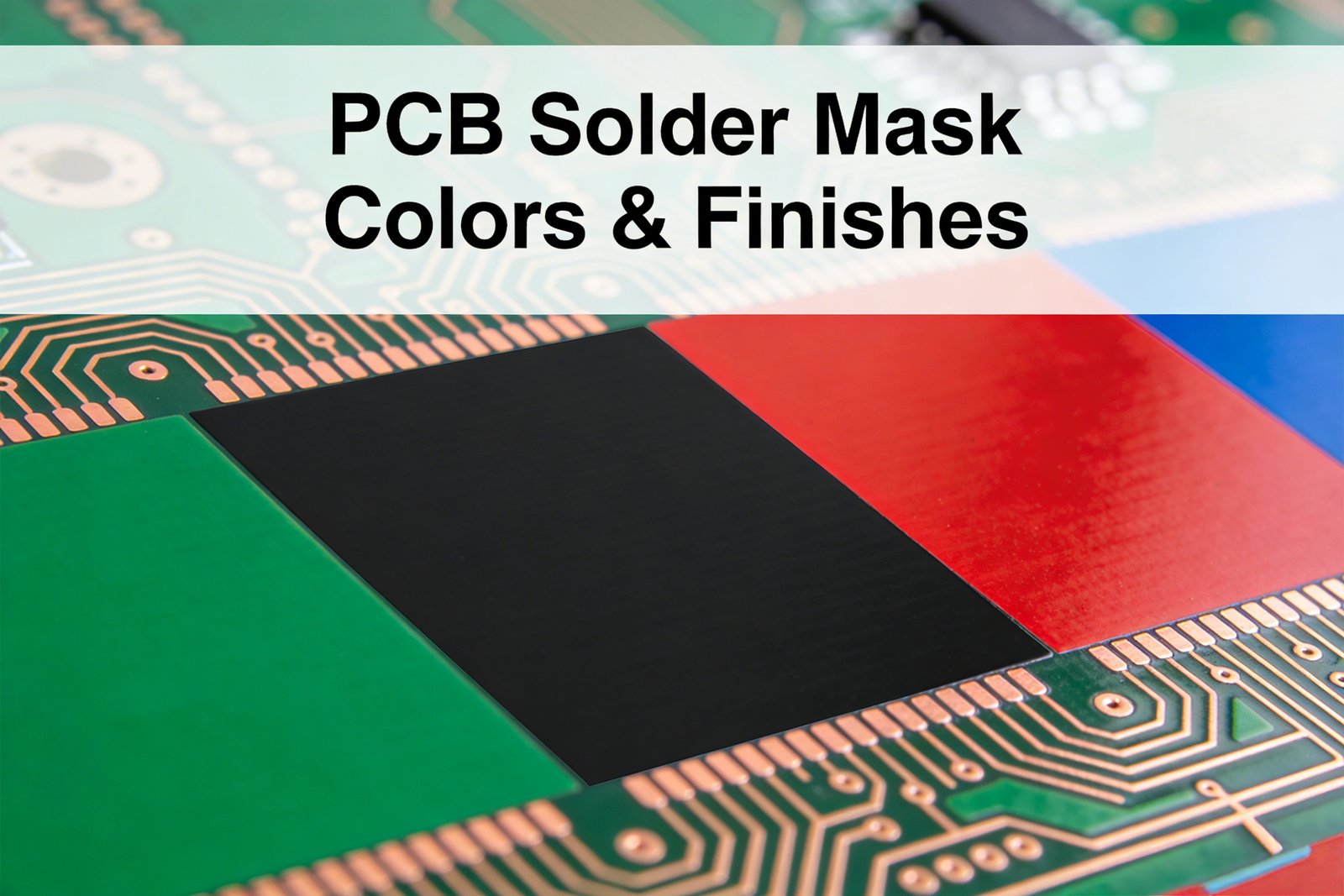
Selecting the right color and finish is more than just an aesthetic choice; it impacts the functionality of the board.
Dive Deeper into Colors and Finishes of Solder Masks
The color of the solder mask can significantly influence both functionality and visibility during assembly.
- Green: The most common color, offering good visibility against copper pads.
- Black: Provides an appealing look and excellent UV protection.
- Blue: Often used in high-tech applications for a sleek appearance.
The finish can also vary, with matte versus glossy options affecting light reflection and ease of visual inspection.
| Color | Visibility | Application Area |
|---|---|---|
| Green | High | General use |
| Black | Moderate | High-end electronics |
| Blue | High | High-tech applications |
These factors must be considered when designing a PCB, as choosing the wrong color or finish could lead to assembly issues or decreased performance.
Conclusion
In conclusion, understanding solder mask materials can significantly influence the quality and durability of your PCBs.