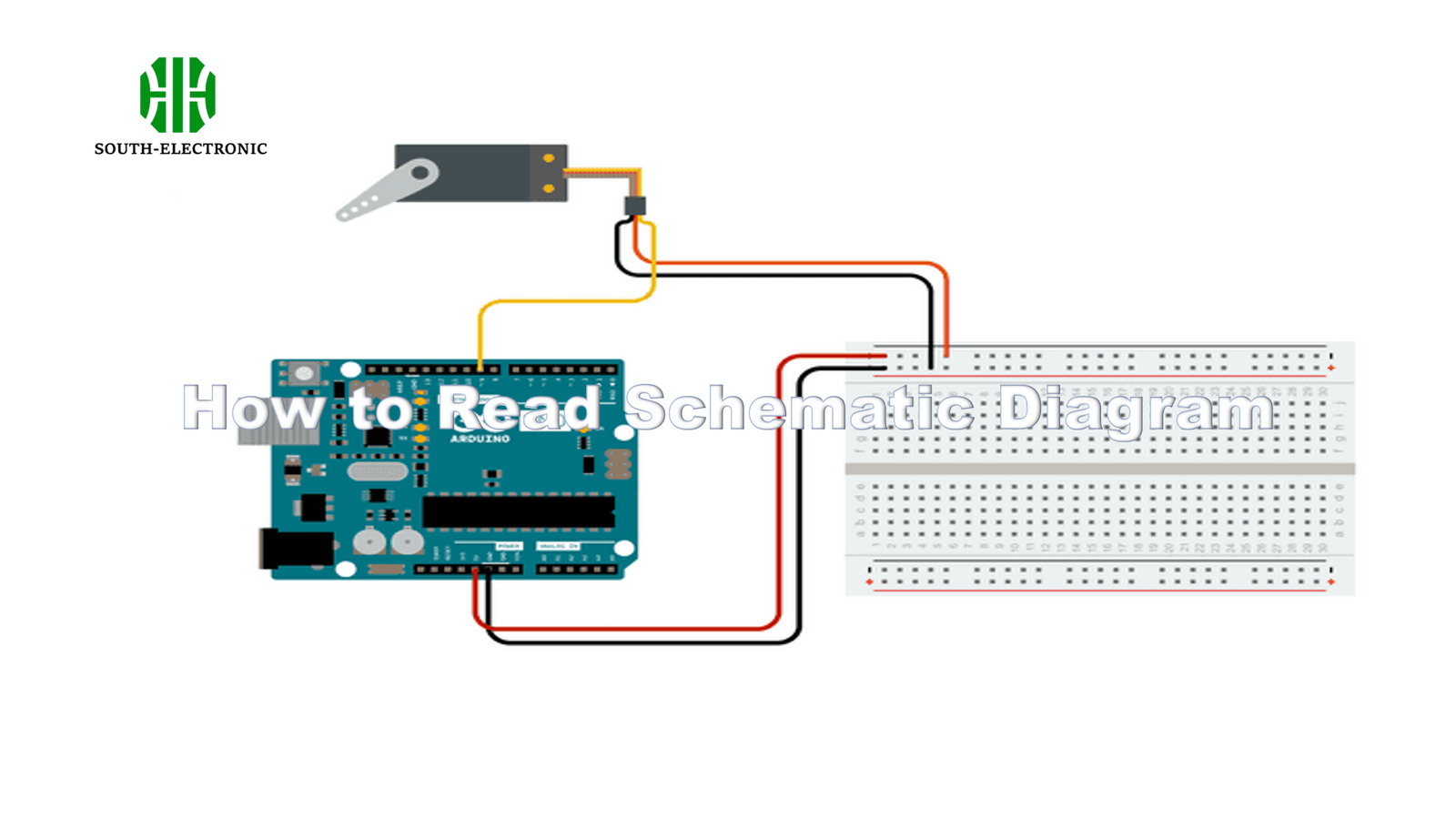

Learn circuit schematic basics: wire connection rules (dots = connected), component symbols like Rs and Cs, and practical debugging steps using diagrams to avoid wiring

Learn circuit schematic basics: wire connection rules (dots = connected), component symbols like Rs and Cs, and practical debugging steps using diagrams to avoid wiring

Master BGA packages: superior density & thermal performance need precision soldering, X-ray inspection, and BGA vs LGA comparison for optimal electronics assembly reliability.
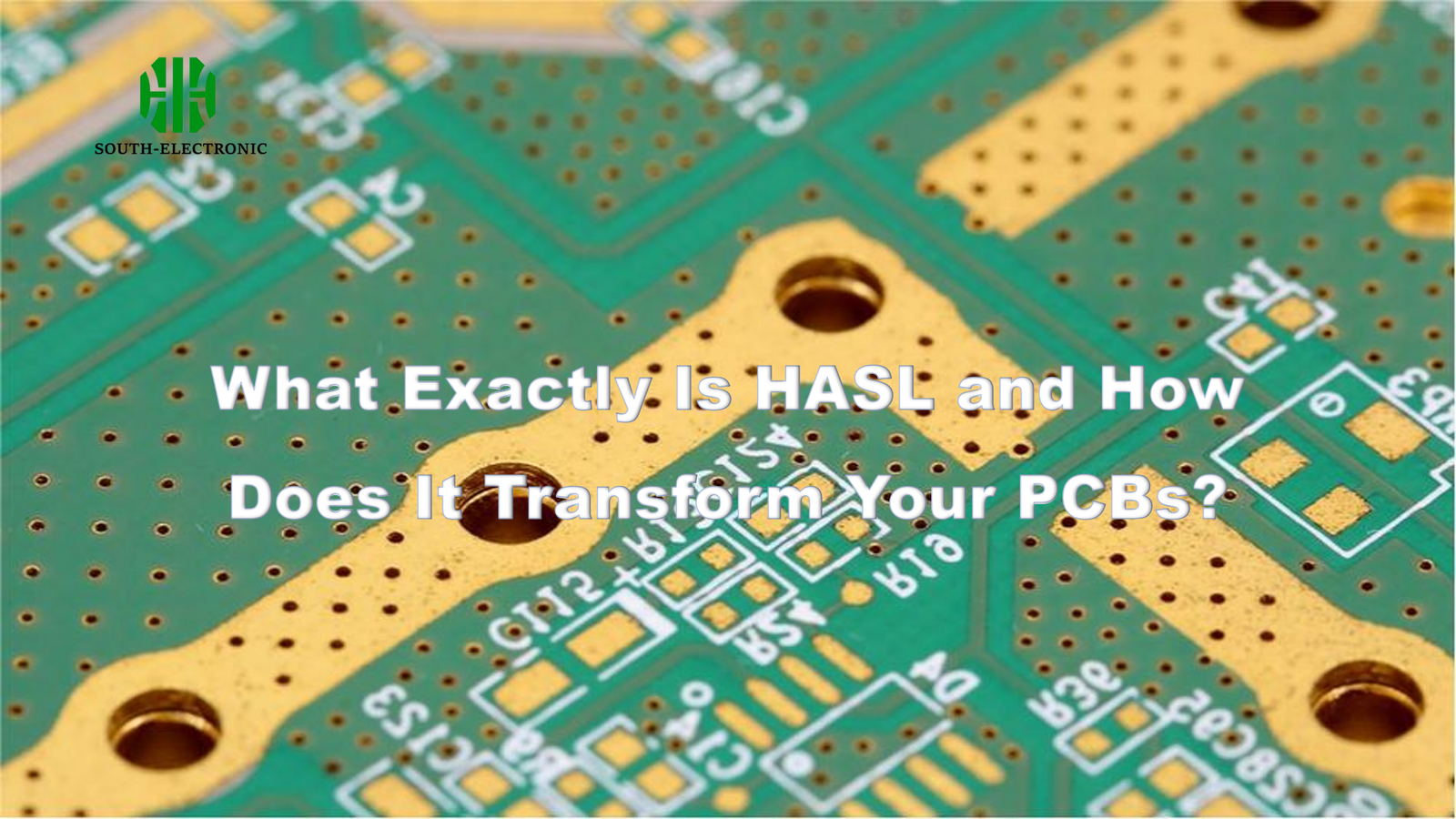
HASL finish offers cost-effective copper protection against PCB oxidation but has critical flaws like uneven surfaces and thermal stress. Explore when to use HASL versus
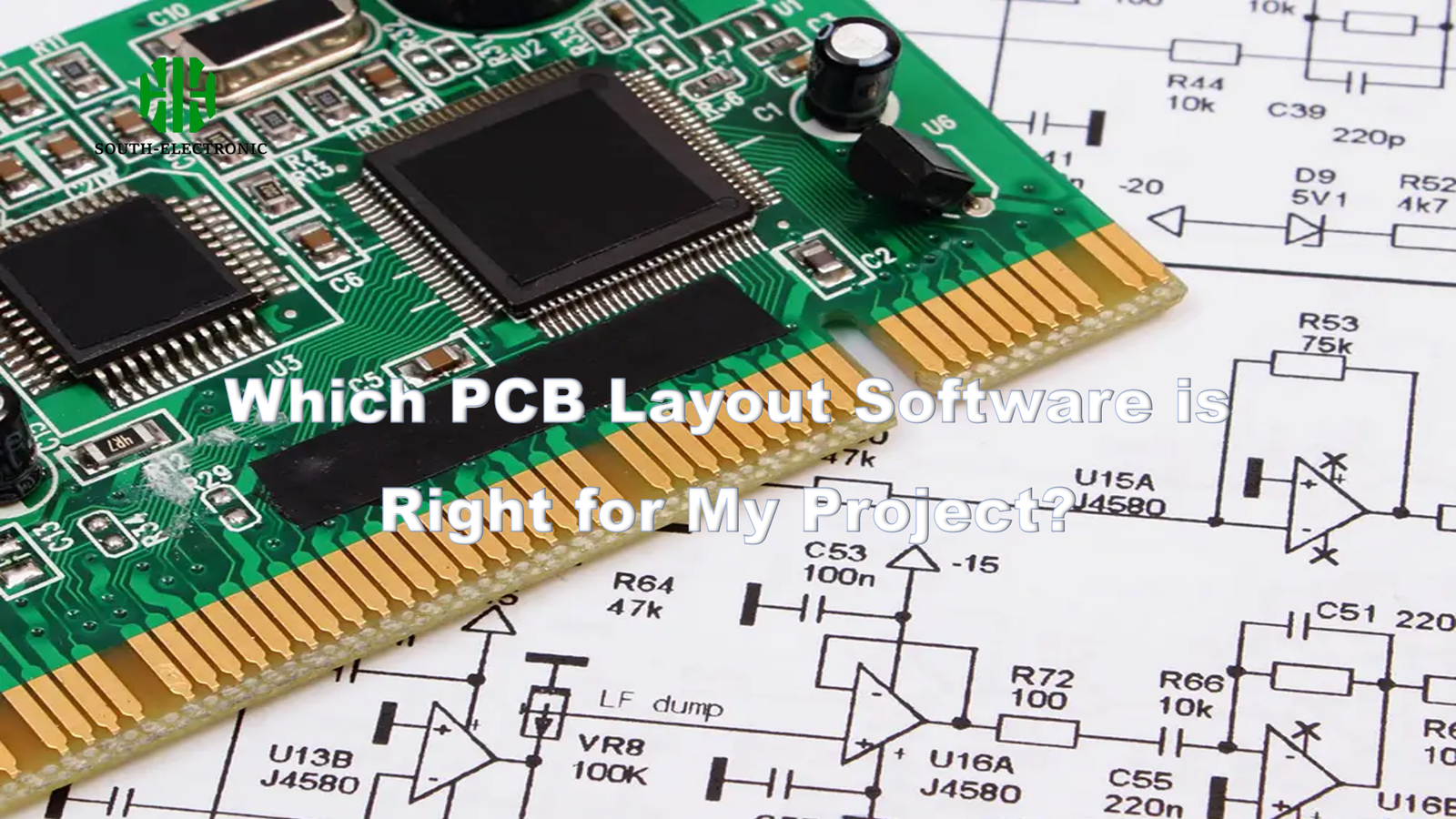
Choose PCB software matching project complexity & budget. Master critical layout rules, flex PCB/motherboard challenges & PCA/PCB differences to avoid costly errors. Learn from real
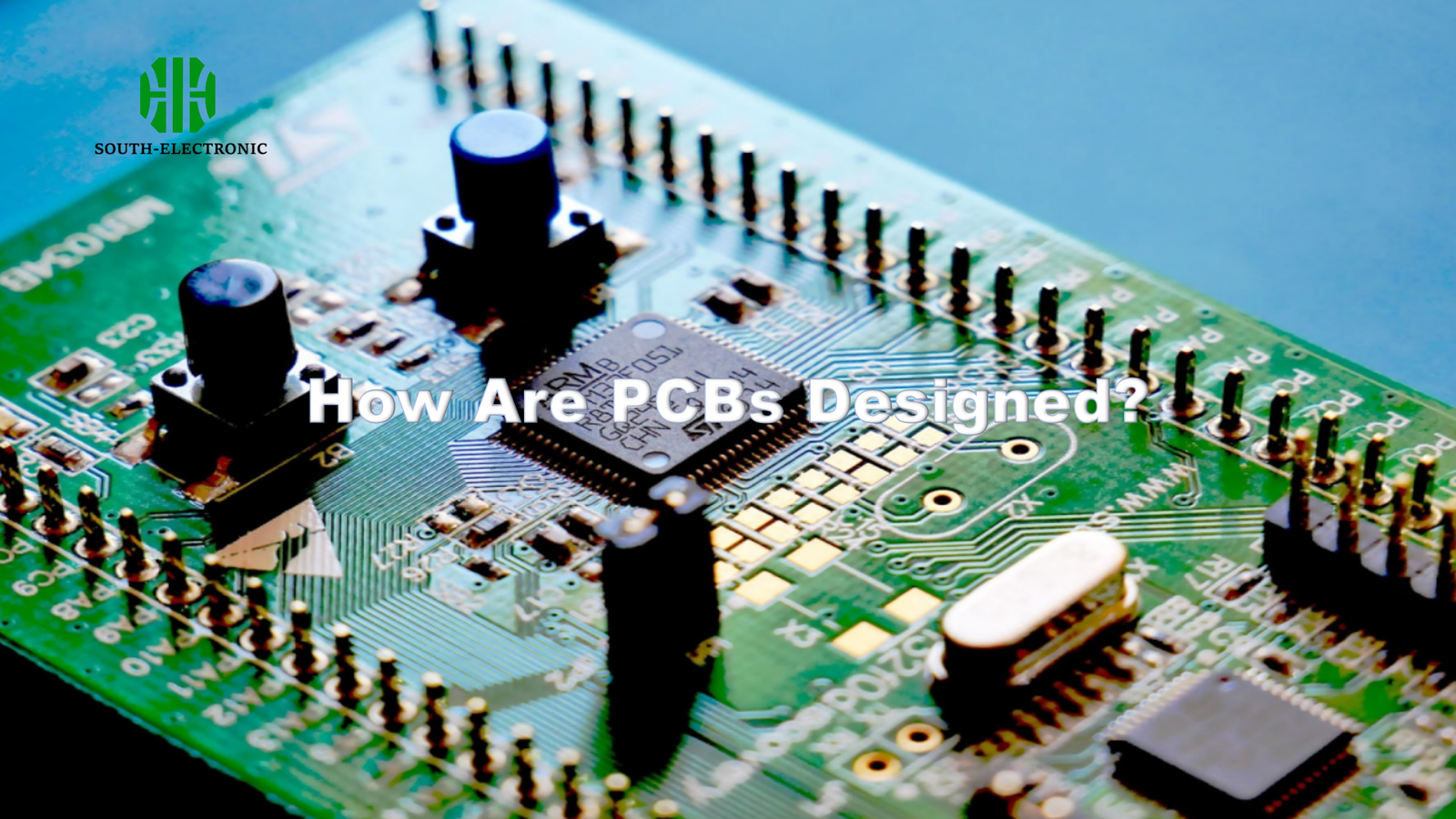
Learn key PCB design choices: single vs double layer boards, material selection (FR-4 vs metal core), and optimal thickness. Avoid costly errors with expert guidance.

Learn when to use chemical PCB etching for precise prototyping vs. milling. Master troubleshooting, essential kits, and cost comparisons to avoid wasted resources.
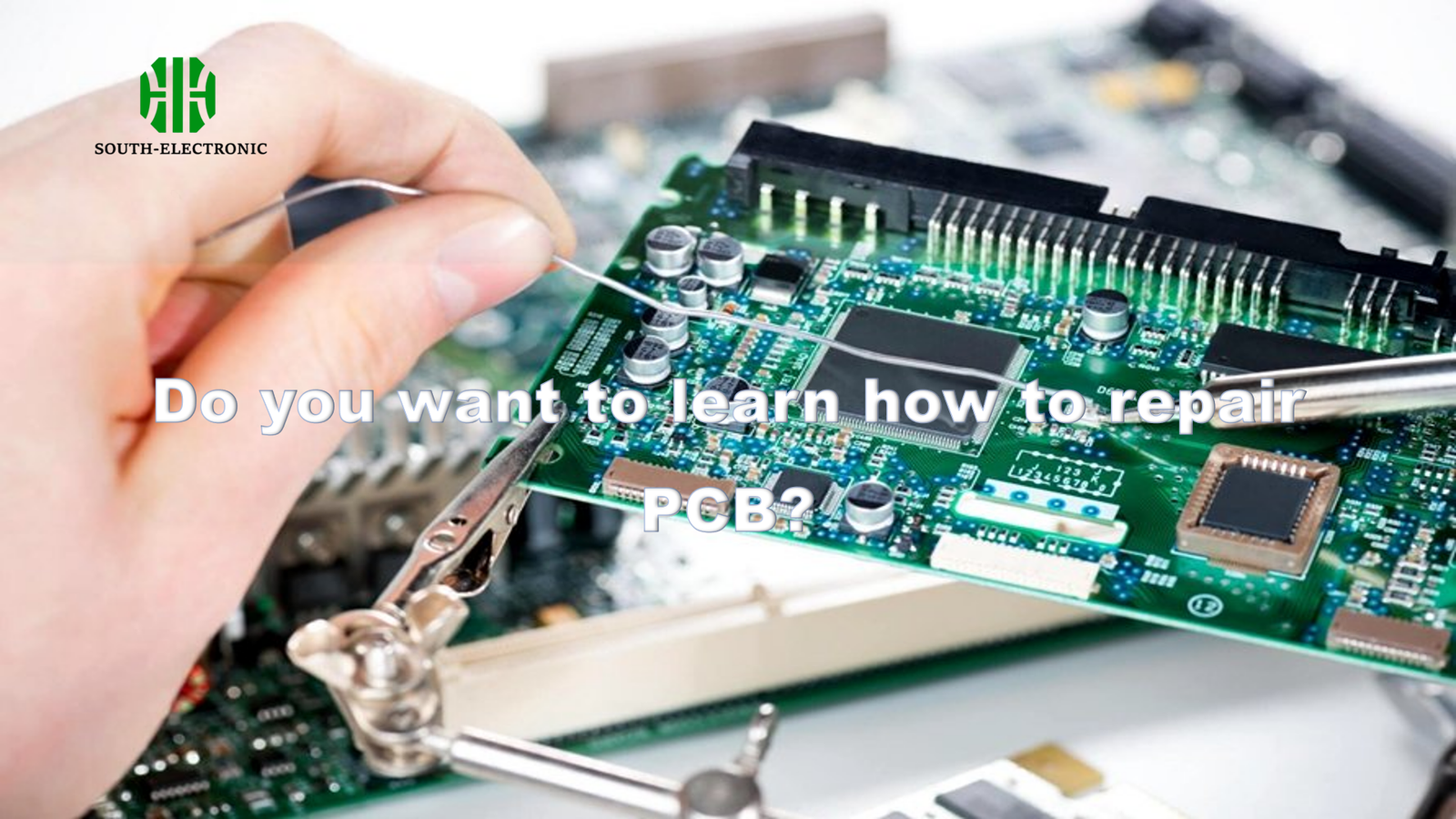
Learn essential PCB repair skills: fix lifted pads, damaged traces, solder bridges, and corrosion using multimeters, micro-soldering, and inexpensive kits. Revive electronics and save money
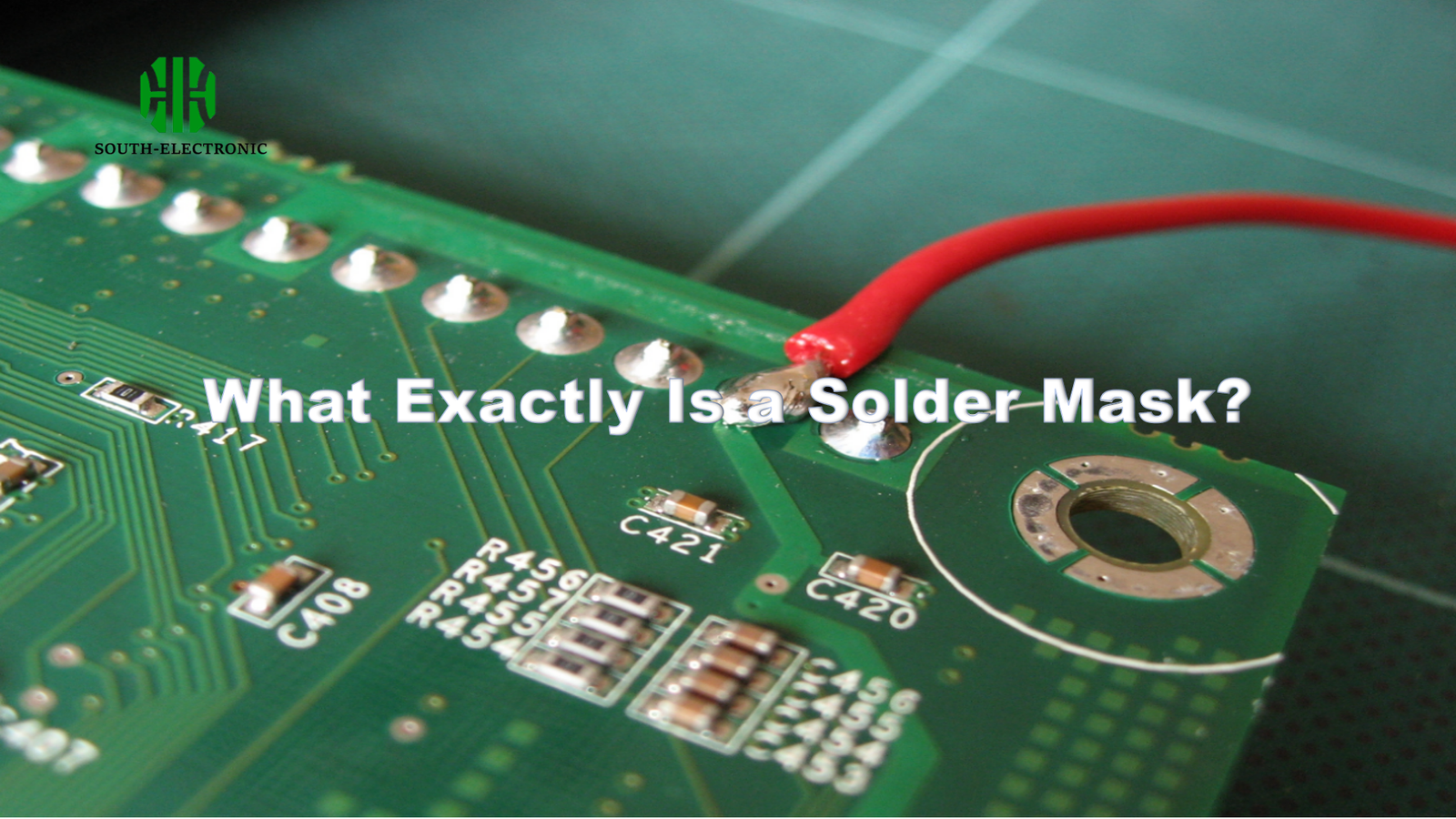
Solder masks prevent PCB shorts/corrosion. Learn color tradeoffs (green, black, red, blue, white), LPI vs dry film types, UV application steps, and quality defect fixes.
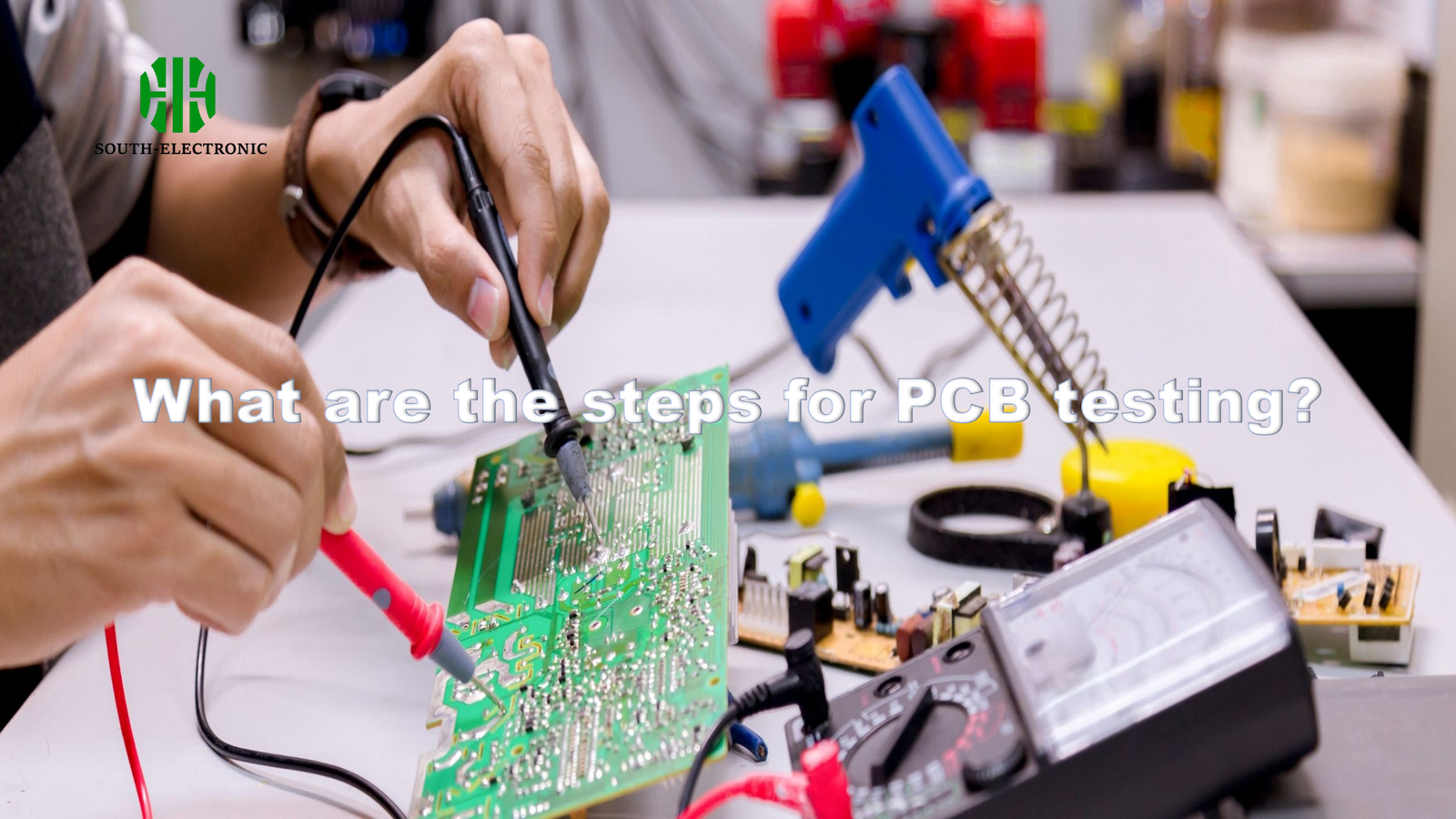
Avoid PCB failures with systematic testing: design reviews, environmental stress analysis, component verification. Match methods to complexity, ensure durability, and fix costly errors efficiently.

FR4 PCB material delivers affordable reliability with balanced electrical insulation, heat resistance & manufacturability. Master dielectric constant, Tg, CTE & design for cost-effective performance.