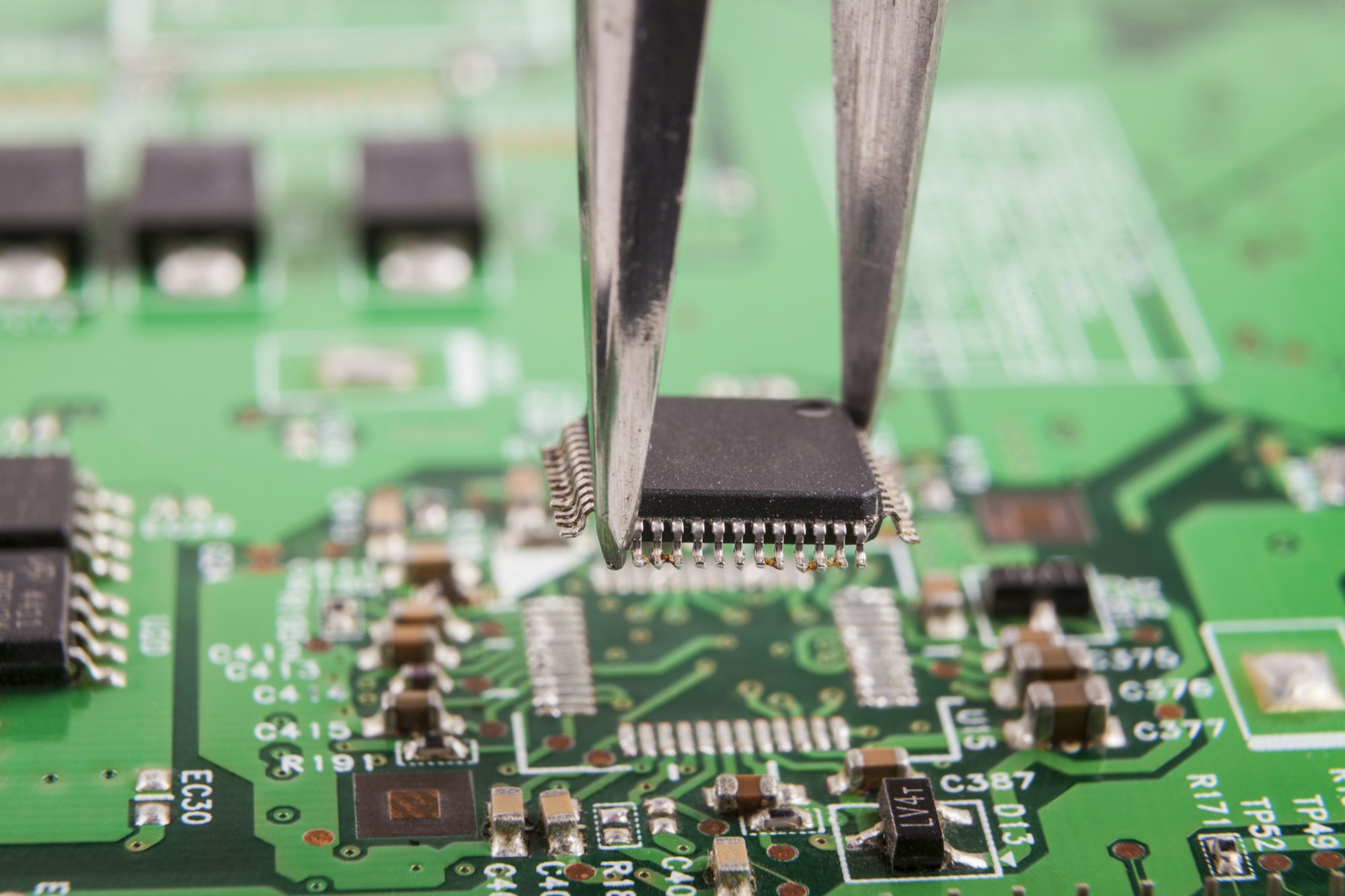

The innovative drug surge challenges device makers. Faulty PCBA could derail critical therapeutics. We must elevate manufacturing standards now for life-saving reliability.
Medical-grade PCB demands skyrocket because new drug development relies entirely on precision IVD devices and lab equipment that require FDA traceability, zero-defect PCBA assemblies, and ISO13485 compliance.
This transformation affects every manufacturing decision. Let's examine why this shift happened and how to adapt quickly.
Why is the innovative drug boom driving massive demand for medical PCB & PCBA?
Pharma rushes breakthrough drugs to market. Yet each novel therapy needs specialized diagnostic devices that simply cannot fail during trials. Patient lives depend on this.
IVD equipment and lab analyzers require medical-grade PCB that maintain 99.99% uptime under continuous biological testing. One error compromises years of drug research investment.
Core Requirements Driving PCBA Specifications
As a designer working on genomic sequencers, I saw how:
-
Device Criticality Dictates PCB Class
Device Type PCBA Class Failure Impact IVD Diagnostics Class 3 False diagnoses ruin trials Lab Automation Class 2 Delayed results increase costs Patient Monitors Class 3 Real-time data loss risks lives -
Environmental Resilience Non-Negotiable
These devices face harsh conditions daily. I've seen reagents corrode standard boards in months. Medical-grade PCB must resist:- Chemical splashes
- Thermal cycling
- Electromagnetic interference
-
Regulatory Hurdles Multiply
Last year, a client's PCR device failed FDA audit due to component traceability gaps. We now implement full genealogy tracking from bare board to finished turnkey PCBA. Each material lot requires digital documentation accessible within 1 hour for audits.
Manufacturers without these capabilities lose innovative drug partnerships permanently. The stakes transformed basic boards into life-critical systems.
What technical PCB/PCBA standards do innovative drug supporting devices require?
Routine electronics won't suffice. When my glucose monitor design failed calibration, we discovered coating thickness inconsistencies undermining sensors. Medical devices demand precision.
Compliance starts with ISO13485 certification mandating design controls, risk management and validation protocols for every PCBA. Production must prove consistency through statistical data.
Breaking Down Compliance Frameworks
| Standard | Purpose | Implementation Challenge |
|---|---|---|
| ISO13485 | Quality Management | Documenting 200+ process controls |
| FDA 21 CFR 820 | Traceability | Component-level genealogy tracking |
| IEC 60601 | Safety | Leakage current under 10μA |
Three non-negotiable practices emerged:
-
Material Conformity
We now test every substrate batch clinically. A single outgassing epoxy ruined $500k worth of blood analyzers last quarter. Medical-grade PCB material requires USP Class VI biocompatibility documentation. -
Manufacturing Process Validation
Each solder profile needs thermal mapping proof. We installed IR cameras recording every reflow process after hygroscopic components caused tombstoning in humid environments. -
Full Device History Records
When regulators visit, we show component-level traceability using blockchain-enabled logs. One missing MSDS form delayed a device launch 8 weeks - now all FDA traceability data lives in encrypted cloud repositories.
These requirements transform production from commodity to clinically validated system. Skipping steps risks both patients and partnerships.
How can turnkey PCBA manufacturers speed up new drug device time-to-market?
Traditional multi-vendor approaches cause delays. One project took 6 months just aligning assemblers and test labs. Consolidated turnkey services remove these roadblocks.
Single-source turnkey PCBA providers accelerate timelines 40% by managing design validation, component procurement, and regulatory documentation holistically to meet aggressive drug trial schedules.
Time-Saving Framework Implementation
After losing a key client to accelerated competitors, we redesigned our workflow:
-
Concurrent Engineering Loops
- DFM analysis during schematic design
- Risk assessment parallel to layout
- Vendor audits before prototyping
This shift cut 11 weeks from our cardiac monitor development schedule.
-
Unified Documentation System
We now auto-generate technical files using integrated software:Design Input -> Test Reports -> Risk Dossiers -> Regulatory Submission Manual compilation previously took 120+ hours per device.
-
Scalable Validation Protocols
- Rather than bespoke testing per project, we maintain validated:
- Cleanroom assembly processes
- Surface insulation resistance testing
- Bioburden controls Reusing these shaves 4-6 weeks off schedule while keeping medical-grade PCB reliability. Our new turnkey PCBA approach delivered 12IVD systems for Phase 3 trials 3 months ahead of deadline through parallel execution and digitized compliance.
Conclusion
The drug development wave demands medical-grade PCB with uncompromised reliability, full traceability, and turnkey scalability from manufacturers ready to support therapeutic breakthroughs.
If you haven’t found the certified PCB & PCBA supplier for your innovative drug diagnostic and lab instruments, consider South-Electronic. With medical-grade manufacturing lines, full regulatory traceability, and strict IPC Class 3 quality control, we deliver reliable high-precision PCB assemblies tailored to your biotech device demands. Contact us today to discuss your prototype and mass production requirements!
<!--[googlesitekit-end-of-content]-->