How to test bare PCB board?
Test bare PCBs with flying probe, AOI, and impedance meters to catch hidden flaws early. Balance materials, tolerances, and layer count to control costs and prevent assembly failures.
What qualifications and certifications do US PCB manufacturers usually need?

US PCB suppliers require UL, ISO 9001 & RoHS. Choose certified manufacturers for safety standards. Compare US vs import costs, delivery & overseas sourcing options.
How fast is flying probe testing?
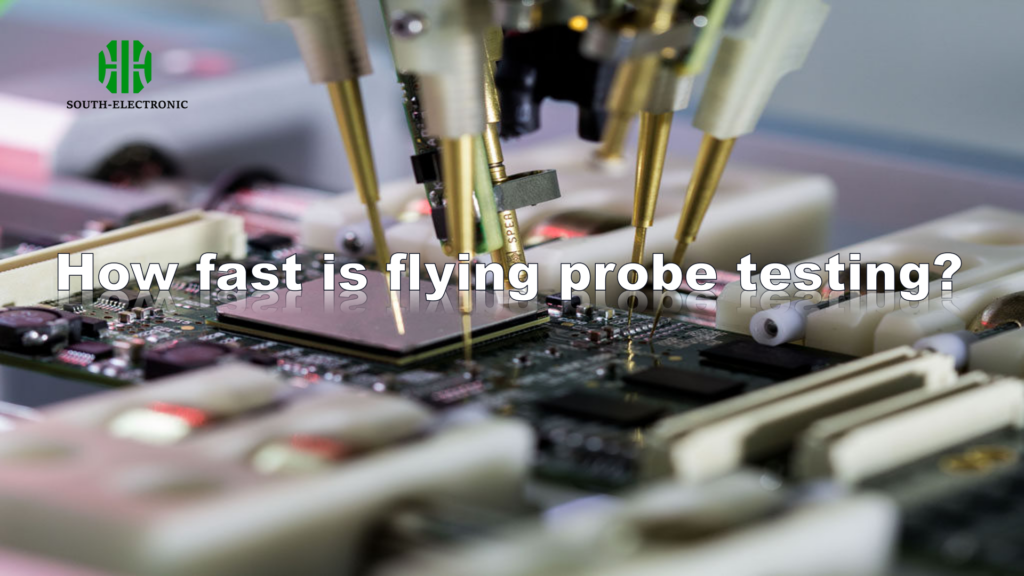
Flying probe PCB testing enables fixture-free inspection ideal for prototypes/small batches. Slower per test than ICT (5-15 min/board) but zero setup costs under 500 units. Detects 98% of electrical defects.
Can 0Ω Resistors Improve Circuit Testing?
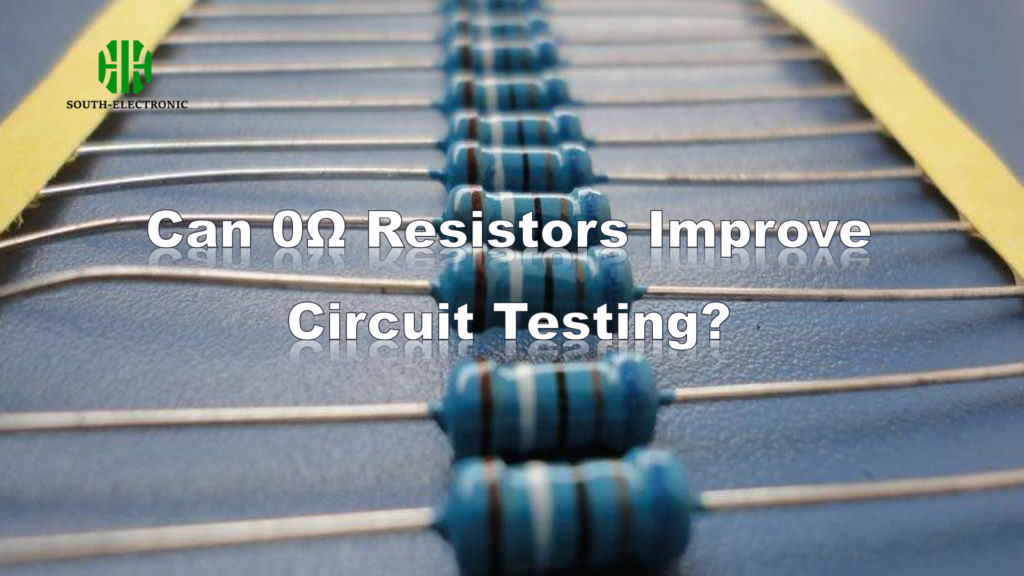
0Ω resistors revolutionize debugging: act as removable jumpers, temporary fuses & ground loop breakers. Speed up PCB testing & isolation without resoldering.
How to Test for PCB Warpage?

Early PCB warpage testing saves costs. Mild warps can be reworked; severe cases need scrapping. Prevent warpage via balanced copper, low-CTE materials & controlled lamination. Flatness ensures perfect assembly.
What are the most common PCBA testing methods?

PCBA testing (AOI, ICT, FCT) catches defects early, prevents recalls & saves costs. Choose methods by risk, budget & volume. Systematically debug failures to protect reputation & profits.
Which PCB Test Method is Right for Your Project?

Choose the right PCB test method to prevent costly failures. Learn which test (ICT, Flying Probe, AOI) fits your volume, budget, and complexity. Avoid defects, reduce costs, boost reliability.
How to Test a Diode?
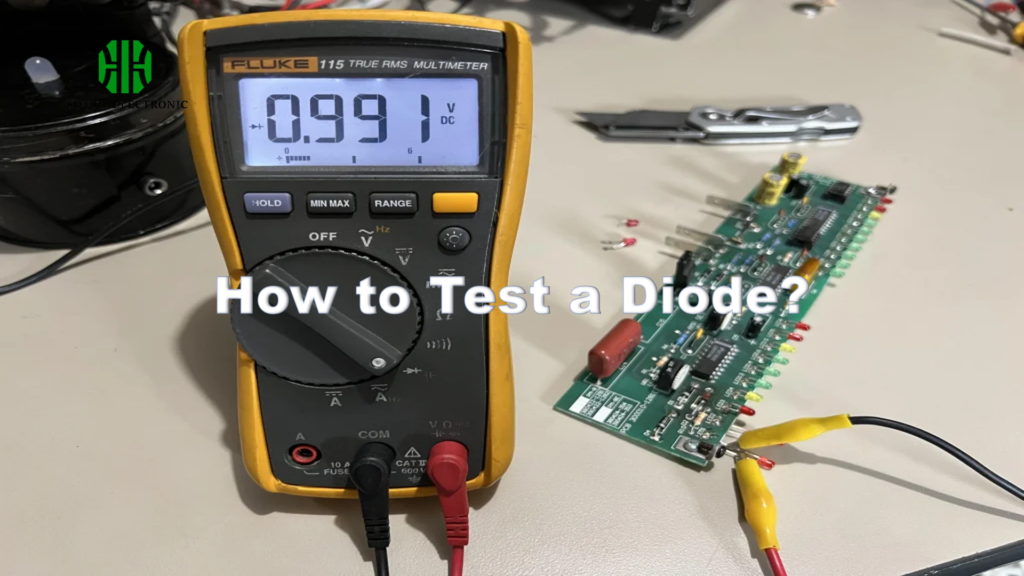
Learn to test diodes with any multimeter: Set to diode/resistance mode, probe anode/cathode. Identify healthy (0.5-0.8V drop) vs faulty diodes (shorted/open/leaky). Prevent circuit failures with essential diagnosis steps.
What are the steps for PCB testing?

Avoid PCB failures with systematic testing: design reviews, environmental stress analysis, component verification. Match methods to complexity, ensure durability, and fix costly errors efficiently.
What Standards Does PCB Mainly Refer to?

Master key PCB standards (IPC, IEC, MIL) for reliability—design rules, material specs, testing—critical for compliance amid 2024 updates.