How to Test a Diode With a Multimeter?
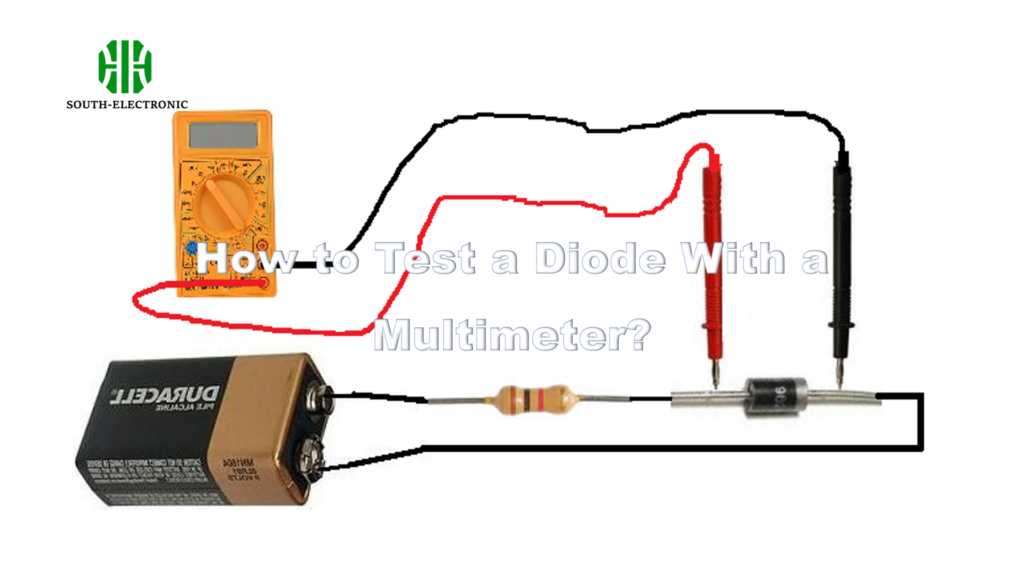
Learn to test diodes with a multimeter: use diode mode, check 0.6-0.7V forward bias, OL reverse. Avoid common mistakes & identify faults.
How Flying Probe Testing Works for PCB Assembly?
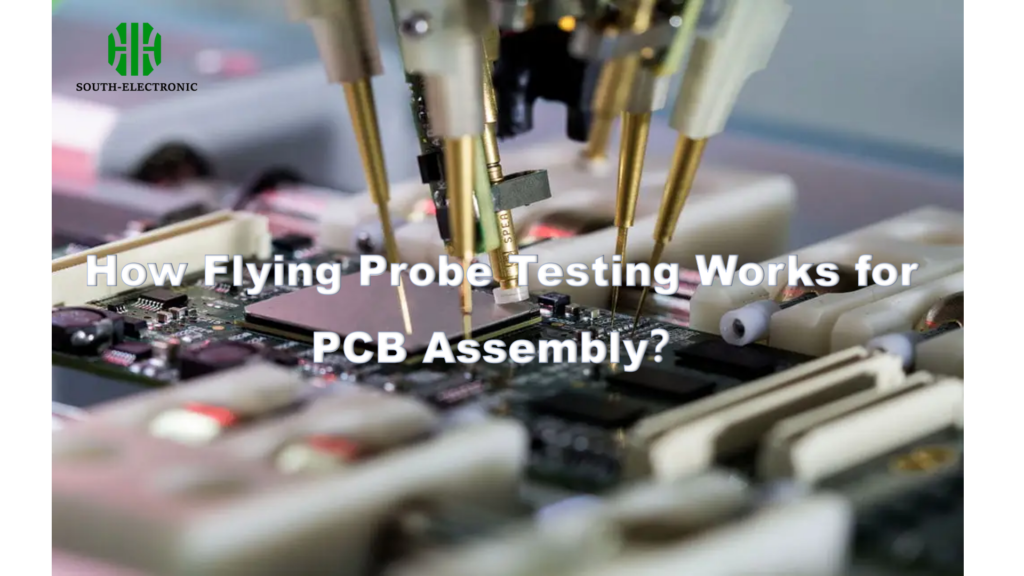
Flying probe testing ensures PCB quality via robotic probes, offering cost-effective, precise electrical validation for prototypes and small batches.
How to Avoid Common PCB Design Flaws That Fail Safety Tests?
Prevent PCB safety test failures by optimizing creepage clearance, dielectric materials, EMC zoning, and thermal management per global standards.
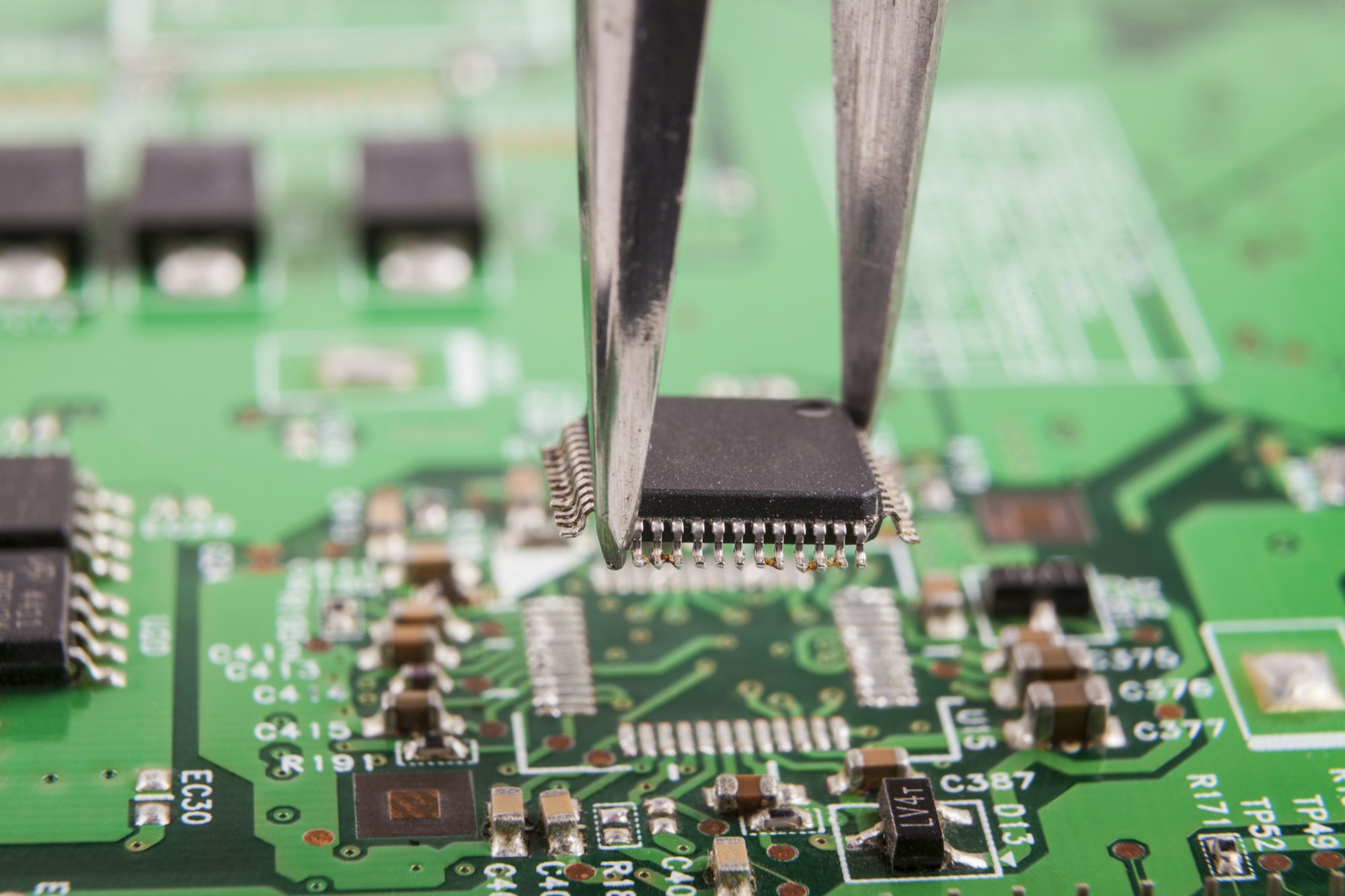
What is the Method of IC Test?
IC testing ensures chip reliability through continuity, parametric, functional & burn-in checks. Avoid 78% failures via correct workflows and temperature stress testing methods.
Why Do SMD Components Fail?
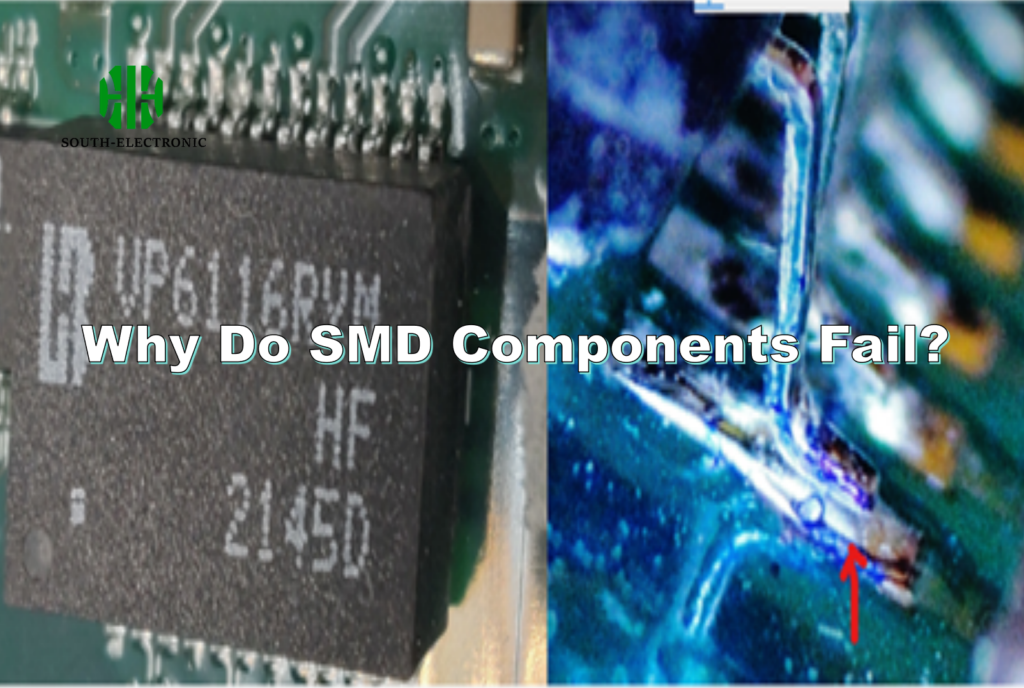
This article systematically analyzes the three major causes of SMD component failure – ESD, mechanical/thermal stress, and latent soldering defects, revealing micron-level hidden dangers that are difficult to detect with conventional testing
Understanding IPC J-STD-001 Standard Soldering Requirements
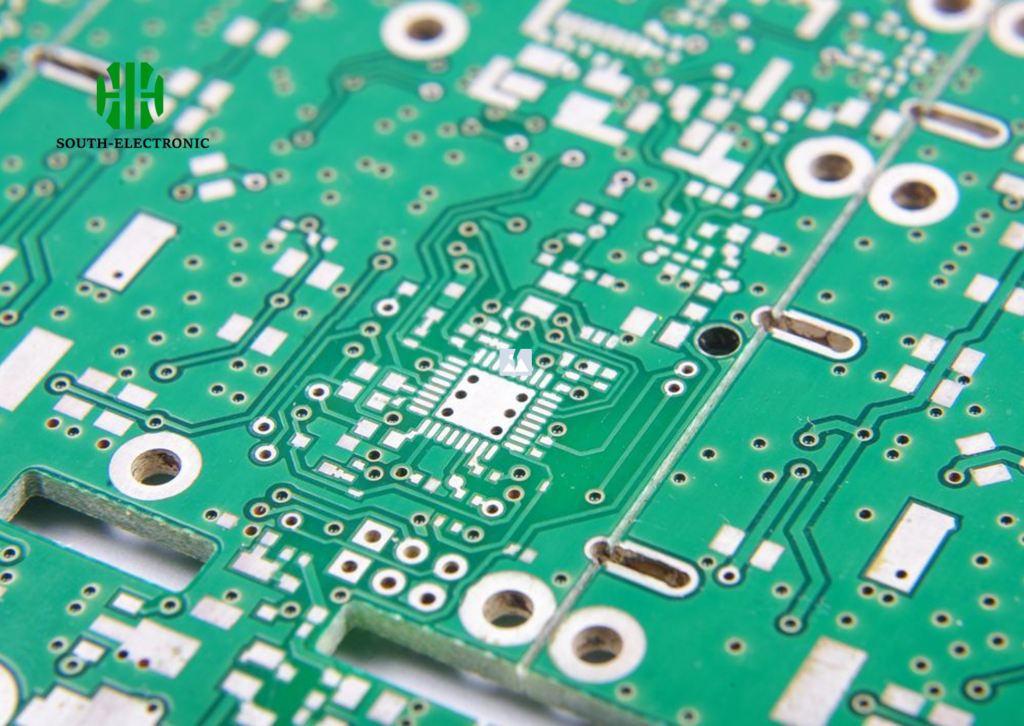
Let’s dive into IPC J-STD-001 soldering requirements for high-quality electronic assemblies. Make sure your assemblies are reliable and meet the standards.
Why Do PCB Boards Fail Over Time?
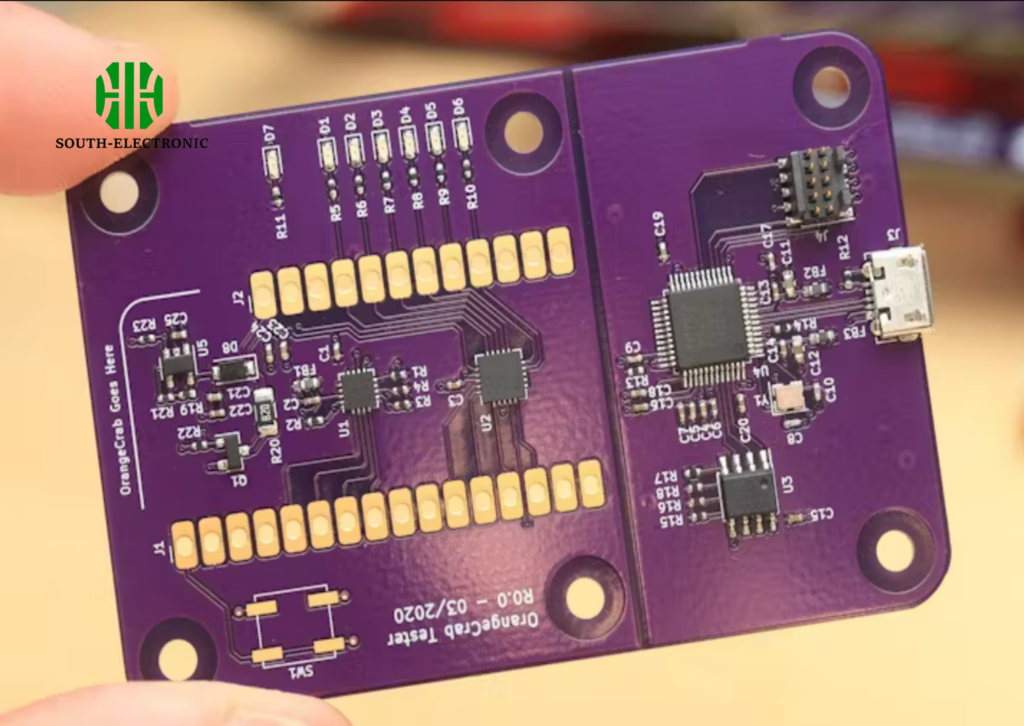
Why Do PCB Boards Break Down Within a Couple of Decades? Discover the factors behind their breakdown!
What is the Main PCB Failure?
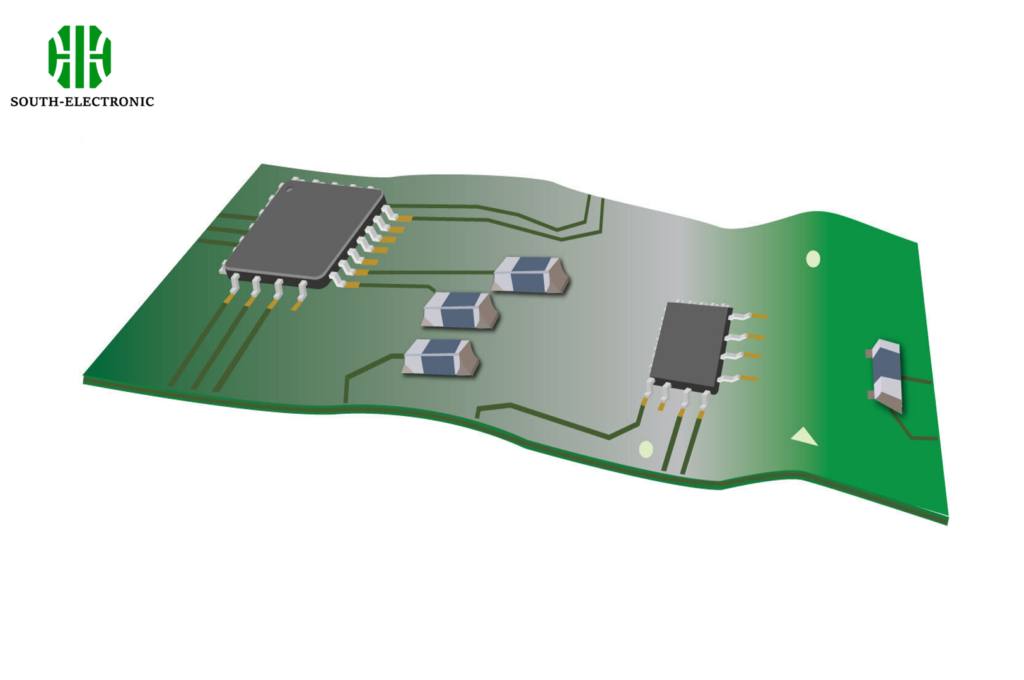
To delve deeper, let’s explore the common causes, signs, and preventative measures for PCB failure.
How to Conduct Effective PCB Testing: Ensuring Quality and Reliability

Find out how to use PCB testing to make sure your electronics last as long as possible and work the way they’re supposed to.
What is the PCB UL for Canada and US?
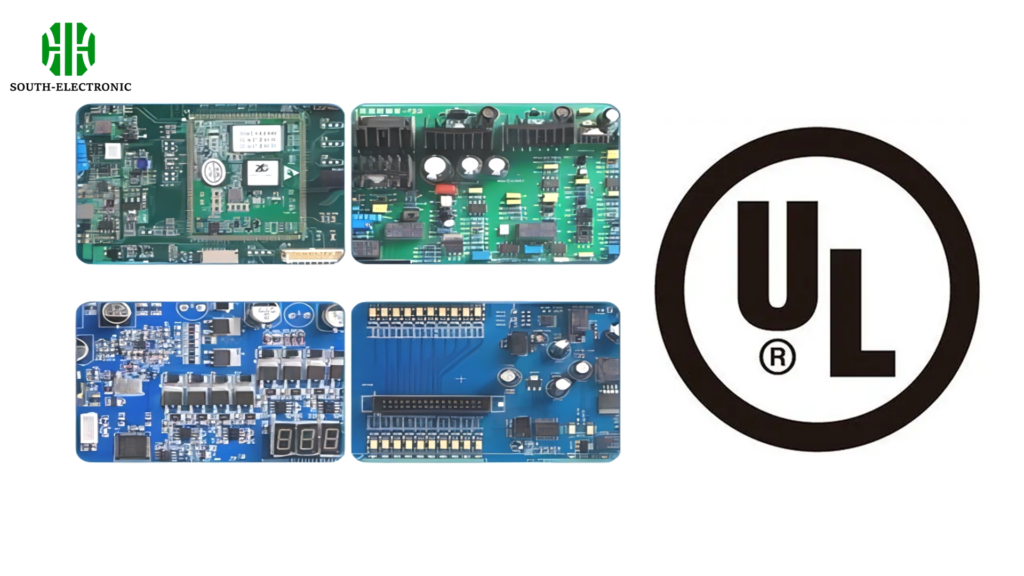
Unlock the secrets of PCB UL Certification for Canada & US markets. Discover key standards, costs, and how to navigate the process effectively!