Are your PCB production lines falling short? Facing unexpected delays and wasted resources? It's a common struggle I've seen countless times.
Inefficiencies in PCB production often stem from a mix of equipment problems[^1], flawed processes[^2], material issues[^3], and human error[^4]. Addressing these core areas systematically can significantly boost your output and reduce costs.
I know the frustration of watching a production line sputter. It's not just about lost time; it's about missed opportunities and increased stress. Stick with me, and we'll break down how to get your lines running smoothly again.
What machines are used in PCB manufacturing?
Ever wonder what complex machines power modern PCB manufacturing? It's a critical question if you want to understand your line's potential bottlenecks.
PCB manufacturing relies on a range of specialized equipment, from precise drilling and plating machines to automated pick-and-place systems and sophisticated inspection tools, each vital for specific steps in the production process.
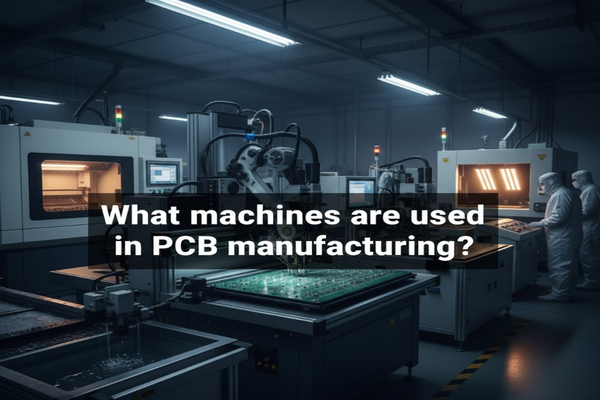
Let's dive deeper into the specific machinery that makes PCB production possible. Knowing each machine's role helps pinpoint where issues might arise. Understanding their functions is the first step toward optimizing your entire production flow.
Drilling and Imaging
- Drilling Machines[^5]: These create the holes needed for components and vias. Precision is key.
- Imaging Equipment: This transfers the circuit pattern onto the copper layers. Any misalignment here causes major defects.
Plating and Etching
- Electroplating Lines: These deposit copper into holes and onto surfaces. Uniform thickness is crucial.
- Etching Machines: These remove unwanted copper, leaving the circuit traces. Control of the etching process prevents short circuits or open circuits.
Assembly
- Solder Paste Printers: They apply solder paste to pads accurately. Incorrect amounts lead to soldering defects.
- Pick-and-Place Machines: These precisely place components onto the board. Speed and accuracy define efficiency here.
- Reflow Ovens[^6]: These melt the solder paste to form electrical connections. Temperature profiles are critical to avoid component damage or bad joints.
Testing and Inspection
- Automated Optical Inspection (AOI)[^7]: This machine checks for visual defects like shorts, opens, and missing components.
- Flying Probe Testers: These electrically test the board for continuity and shorts.
- In-Circuit Testers (ICT): These perform comprehensive electrical tests on assembled boards.
| Machine Type | Key Function | Potential Inefficiency |
|---|---|---|
| Drilling | Creates holes | Misalignment, broken bits |
| Imaging | Transfers circuit patterns | Poor alignment, light exposure |
| Plating | Deposits copper | Uneven plating, chemical imbalance |
| Pick-and-Place | Places components | Placement errors, slow speed |
| Reflow Oven | Solders components | Incorrect temperature profile |
Focusing solely on equipment costs can blind you to bigger problems. What hidden costs and risks might be lurking in your PCB production?
Beyond the initial investment in machinery, hidden costs in PCB production include unexpected maintenance, energy consumption, quality control failures, and the often-overlooked impact of human error and inadequate training.

I've learned that the true cost of a PCB production line extends far beyond the price tag of the machines. Ignoring these hidden factors can lead to significant financial drain and operational headaches. Let's dig into the less obvious expenses and risks that demand your attention.
Maintenance and Downtime
- Unplanned Downtime: Machine breakdowns halt production, leading to lost output and missed deadlines. Preventative maintenance is often overlooked.
- Spare Parts Inventory: Maintaining a stock of critical spare parts is a cost, but not having them leads to extended downtime.
- Maintenance Labor: Skilled technicians are needed for repairs and upkeep, adding to labor costs.
Operational Overheads
- Energy Consumption: High-tech equipment can be power-hungry. Rising energy costs directly impact profitability.
- Waste and Rework: Defects lead to scrapped boards or costly rework, wasting materials and labor.
- Consumables: Chemicals, solder, masks, and other consumables are ongoing expenses that can escalate.
Human Factors and Training
- Skill Gaps: Inexperienced operators make more mistakes, leading to lower quality and slower production.
- Training Costs: Proper training for new equipment and processes is essential but comes with a price.
- Employee Turnover: High turnover means continuous retraining and reduced overall efficiency.
Supply Chain and Quality
- Material Scarcity: Reliance on single suppliers can lead to production halts if materials are unavailable.
- Quality Control Failures: Poor incoming material quality or inadequate in-process checks lead to costly defects further down the line.
- Regulatory Compliance: Meeting environmental and safety regulations often requires investments in specific equipment or processes.
| Hidden Cost/Risk | Impact | Mitigation Strategy |
|---|---|---|
| Unplanned Downtime | Lost production, missed deadlines | Robust preventative maintenance |
| High Energy Consumption | Increased operating expenses | Energy-efficient equipment, optimization |
| Skill Gaps | Increased errors, lower quality | Comprehensive training programs |
| Material Scarcity | Production halts, delays | Diversify suppliers, strategic stocking |
How should a purchasing manager select a suitable PCB manufacturer?
Choosing the right PCB manufacturer can feel overwhelming, right? But how exactly should a purchasing manager make this crucial decision to avoid future headaches?
A purchasing manager should select a PCB manufacturer by evaluating their quality certifications, production capabilities, communication transparency, delivery reliability, and overall cost-effectiveness, not just the lowest price.

I remember a time when I simply went for the cheapest option, and it always backfired. Selecting a PCB manufacturer isn't just about price; it's about finding a partner. A good purchasing manager knows that a thorough evaluation prevents countless problems down the line. Let's explore the key factors that ensure you make the best choice.
Quality and Certifications
- Industry Standards: Does the manufacturer comply with IPC standards (e.g., IPC-A-600, IPC-6012)? This signals commitment to quality.
- Certifications: Look for ISO 9001, UL, and RoHS compliance. These show a dedication to quality management and environmental responsibility.
- Quality Control Processes: Inquire about their in-house testing and inspection procedures. How do they ensure quality at each stage?
Production Capabilities
- Technology & Complexity: Can they handle your specific board requirements, such as high layer counts, fine lines, or specialized materials (e.g., rigid-flex, HDI)?
- Volume & Lead Times: Do their production capacity and typical lead times align with your project schedules and volume needs?
- Equipment Modernity: Newer equipment often means better precision, efficiency, and consistency.
Communication and Support
- Responsiveness: How quickly do they respond to inquiries and design changes? Good communication prevents misunderstandings.
- Technical Support: Do they offer design for manufacturability (DFM) feedback and technical assistance? This can save you from costly redesigns.
- Transparency: Are they open about their processes, potential issues, and pricing? A transparent partner is a reliable partner.
Cost and Reliability
- Total Cost of Ownership: Beyond the unit price, consider tooling costs, shipping, and potential rework expenses.
- On-Time Delivery Record: Ask for references or data on their delivery performance. Delays can be extremely costly.
- Payment Terms: Understand their payment structure and how it fits your financial planning.
| Evaluation Factor | Key Questions | Why it Matters |
|---|---|---|
| Quality & Certifications | IPC, ISO, UL, RoHS compliant? | Ensures adherence to industry standards |
| Production Capabilities | Can they handle complex designs? | Guarantees technical feasibility for your needs |
| Communication & Support | Responsive? Offer DFM feedback? | Prevents errors, ensures smooth collaboration |
| Cost & Reliability | Transparent pricing? On-time delivery? | Impacts budget, project timelines |
Conclusion
Understanding common reasons for PCB production line inefficiencies is crucial for any successful operation. By focusing on equipment, hidden costs, and strategic partner selection, we can overcome challenges.
[^1]: Learn about the impact of equipment issues on PCB production efficiency and solutions to mitigate them. [^2]: Discover how flawed processes can lead to inefficiencies and how to improve them. [^3]: Find out about the material challenges in PCB production and how to address them effectively. [^4]: Understand the role of human error in PCB production and strategies to minimize its effects. [^5]: Explore the critical role of drilling machines in PCB production and their impact on quality. [^6]: Learn about the critical role of reflow ovens in ensuring quality solder connections in PCBs. [^7]: Discover how AOI technology enhances quality control in PCB manufacturing.