Have you ever wondered why the right solder mask matters for your PCB?
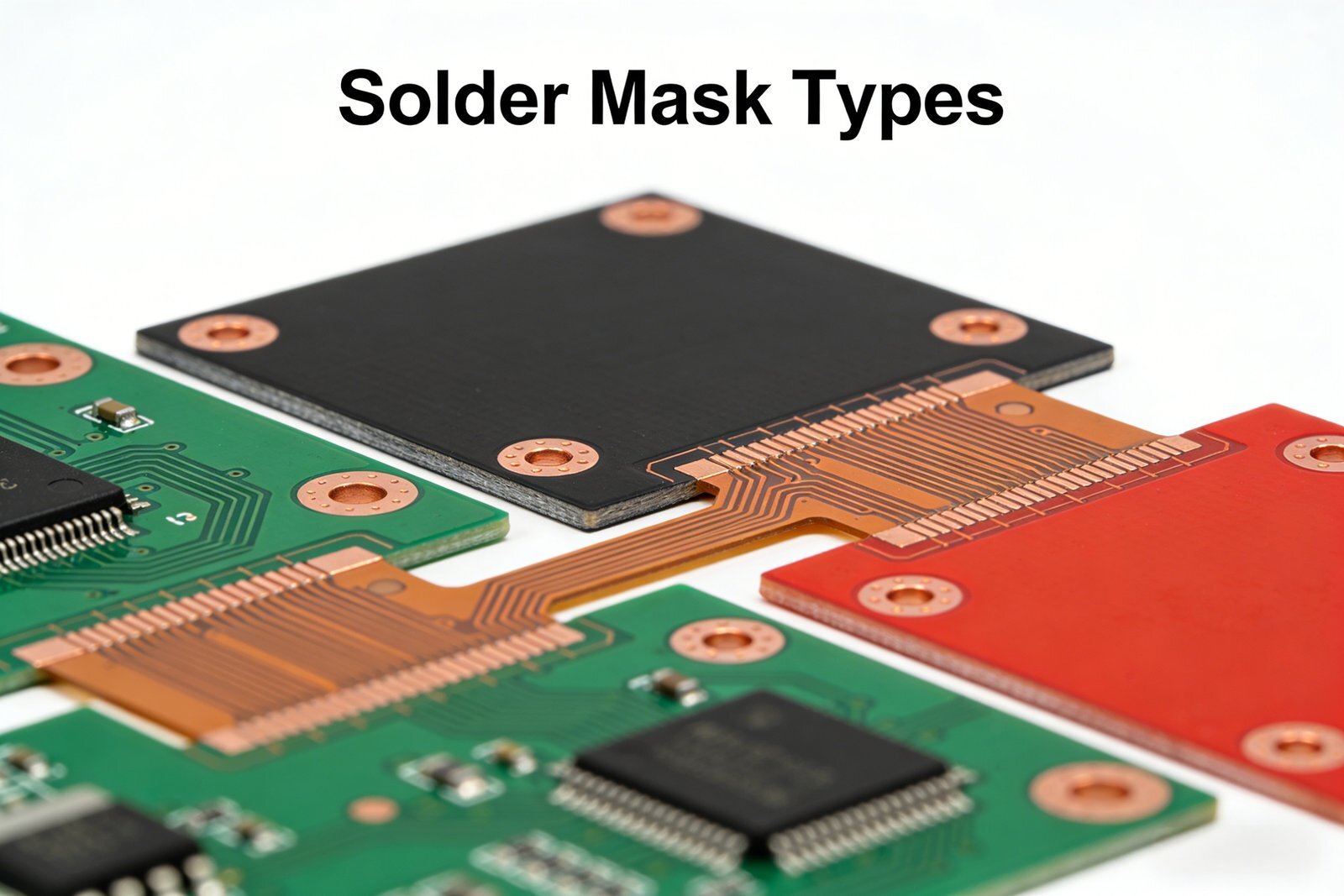
There are three main types of solder mask materials: epoxy resin liquid solder mask, liquid photoimageable (LPI) solder mask, and dry film solder mask. Choosing the right one can significantly impact the performance of your PCB.
Understanding solder mask materials is crucial. Each type has its own strengths and weaknesses, and knowing them helps in selecting the right one for your projects. It can prevent manufacturing problems later on.
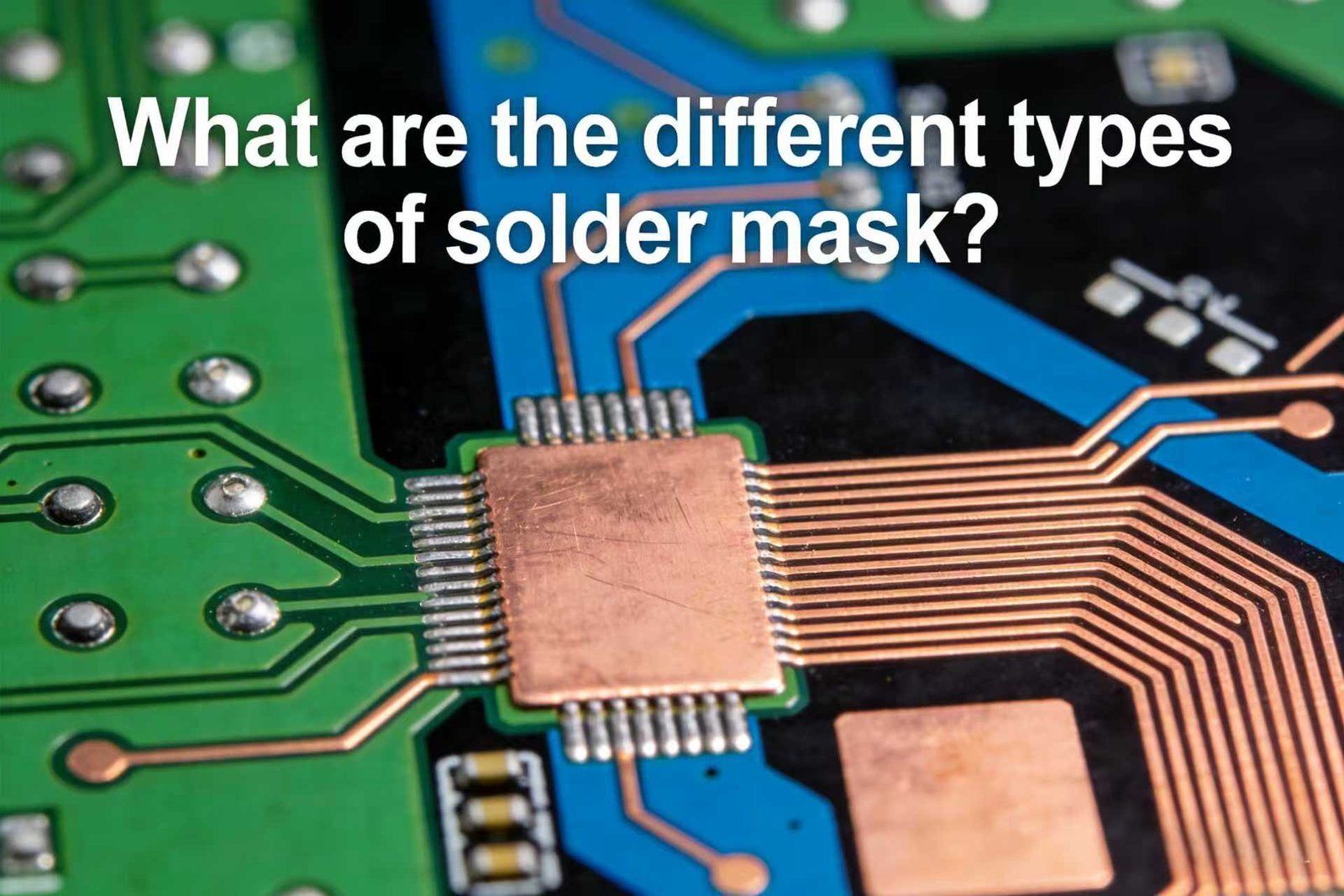
What are the different types of solder mask?
Solder masks come in various types, each with specific applications.
Epoxy resin liquid solder mask, LPI, and dry film are the primary types. Each has unique application methods and curing processes that cater to different PCB designs.
Dive deeper into solder mask types:
| Type | Application Method | Characteristics |
|---|---|---|
| Epoxy Resin Liquid Solder Mask | Screen printing, spraying | Durable, commonly used, thermosetting |
| Liquid Photoimageable (LPI) | Spraying, curtain coating | Fine features, UV curing, modern standard |
| Dry Film Solder Mask | Lamination | Solid layer, photoimageable, good for precision |
Epoxy Resin Liquid Solder Mask is one of the oldest types. It’s easy to apply through screen printing or spraying, making it popular. However, it can be less suitable for intricate designs.
Liquid Photoimageable (LPI) Solder Mask is the industry standard today. I’ve seen it work wonders on PCBs requiring high precision. It uses UV light for curing, allowing fine detail work. This ensures tight tolerances, which is essential in modern electronics.
Dry Film Solder Mask takes a different approach. Instead of applying a liquid, it uses a photoimageable film. You apply this film to the PCB and expose it to light to create the desired design. I find this method useful for very precise applications. The film provides a solid barrier.
What is dry film solder mask?
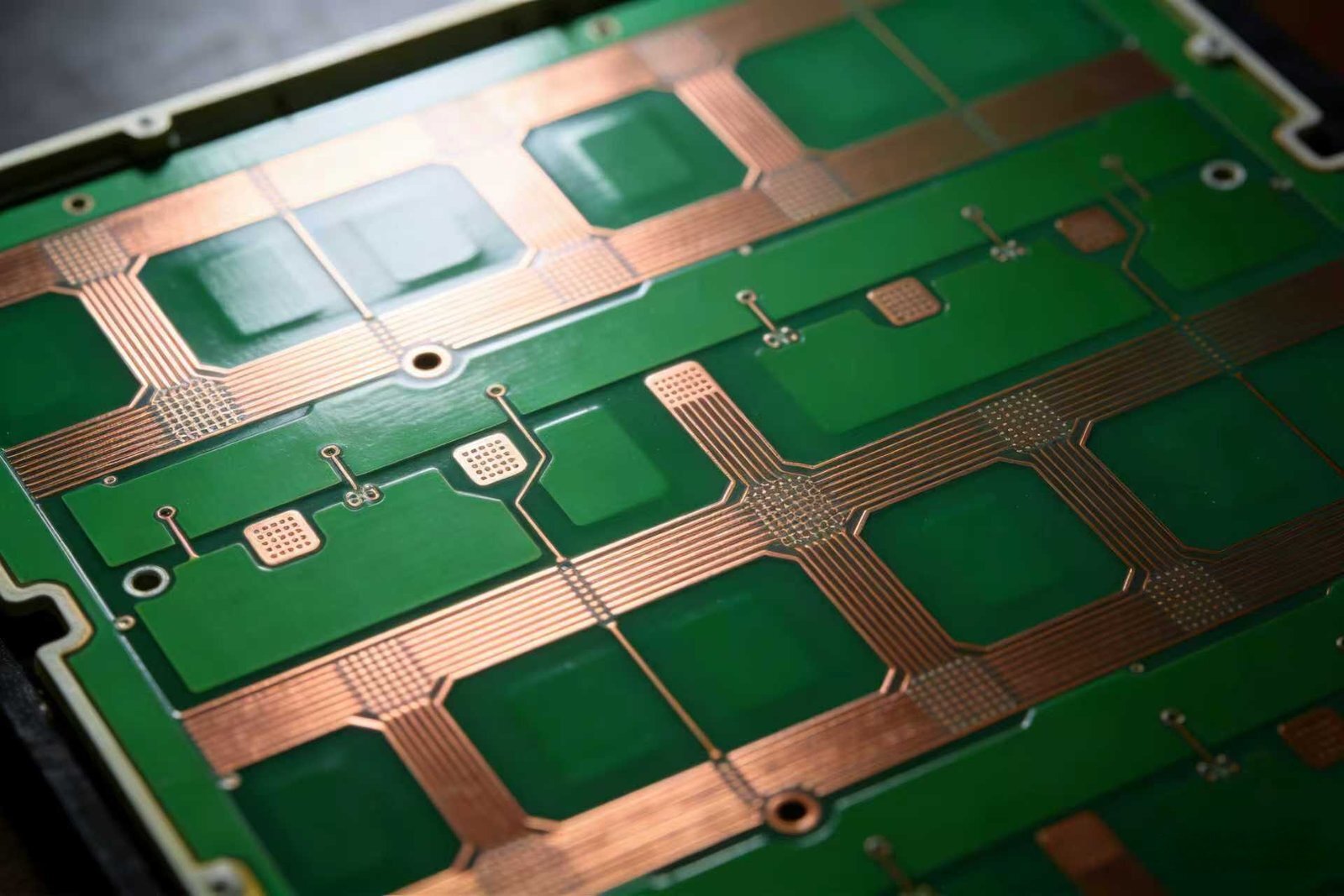
Dry film solder mask is a unique polymer film applied to PCBs.
This type comes in a solid, dry state and requires a specific lamination process. It’s great for high-resolution designs and handles heat well.
Dive deeper into dry film solder mask:
- Lamination Process: The film must be carefully aligned with the PCB. This process is critical. Misalignment can lead to poor adhesion.
- UV Exposure: Like LPI, dry film also uses light for curing. However, the exposure times may vary. Achieving the right exposure ensures accuracy.
- Benefits:
- Offers excellent resolution for fine patterns.
- Handles thermal and chemical stress effectively.
- Limitations: It can be more complex to apply than liquid methods. Not ideal for novice users.
In my experience, working with dry film provides a great finish. However, it takes practice to master it. The results can be stunning when applied correctly, but it requires focus.
Conclusion
In conclusion, understanding solder mask materials is vital for successful PCB production.