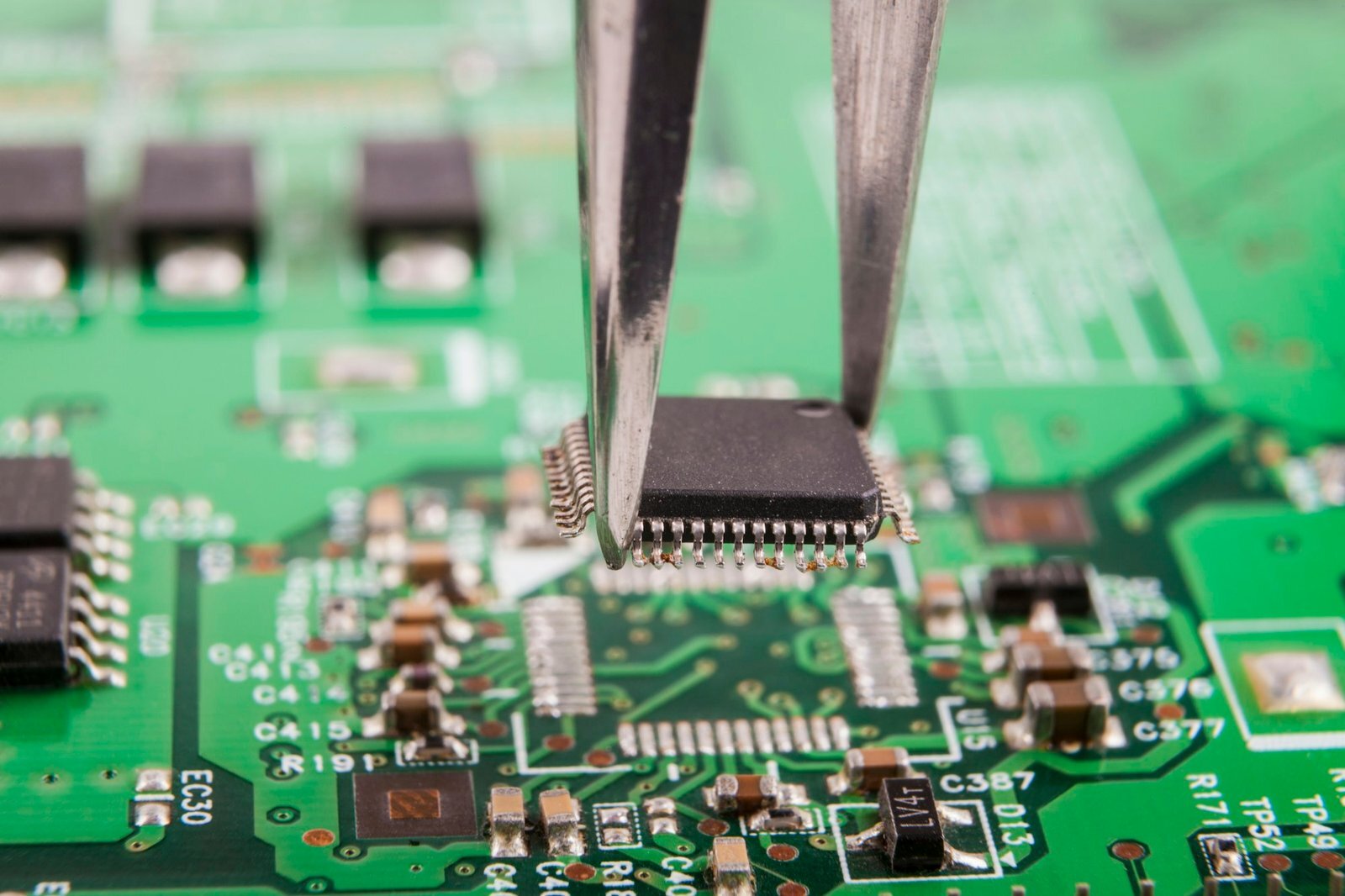
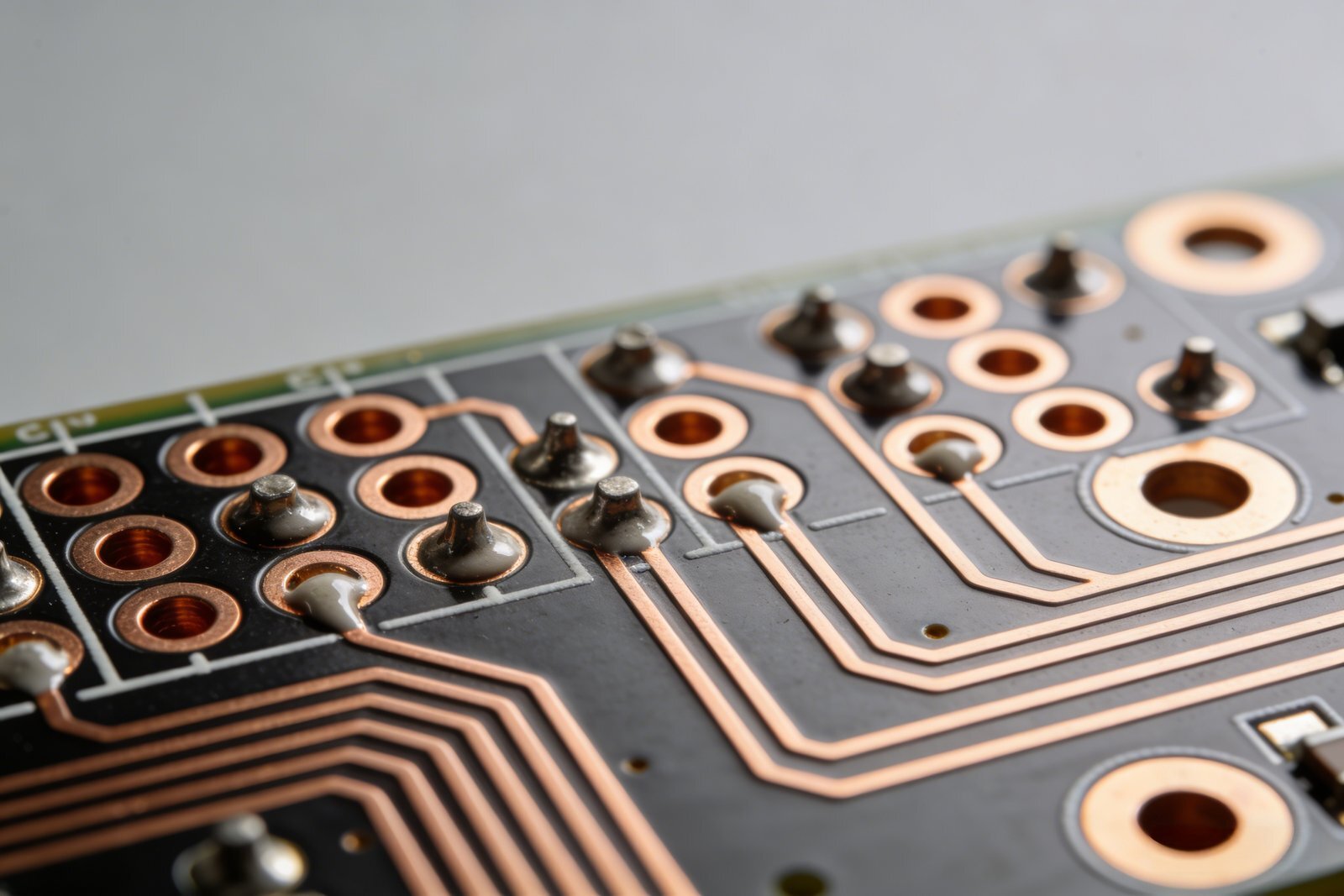
Via filling is essential for improving PCB performance. It enhances board reliability and prevents design issues. Understanding its purpose can lead to better designs.
Via filling serves multiple roles in PCB manufacturing. It prevents contamination, strengthens mechanical integrity, and improves performance for high-density components. This increases overall reliability.
Via filling adds cost but offers critical benefits. If you need sturdy, reliable circuits, it may be worth that extra expense. Let's explore how to balance the benefits and costs associated with via filling.
What are the cost considerations for conductive and non-conductive PCB via filling?
Cost is a major factor in PCB manufacturing. Different materials for via filling can influence your budget significantly. Understanding the cost implications helps in making informed decisions.
Cost considerations vary widely between conductive and non-conductive filling. Conductive fill is generally more expensive but can offer better performance for specific applications. Non-conductive options are often more budget-friendly.

Cost considerations should include material, labor, and long-term reliability. Here’s a simple table comparing options to clarify your choices:
| Type | Cost | Benefits |
|---|---|---|
| Conductive | Higher | Improved performance in specific circuits |
| Non-Conductive | Lower | Good for general use, reduced costs |
The choice between conductive and non-conductive via filling depends on the application. If you prioritize lower costs, non-conductive might be the way to go. But if performance is key, considering conductive materials makes sense.
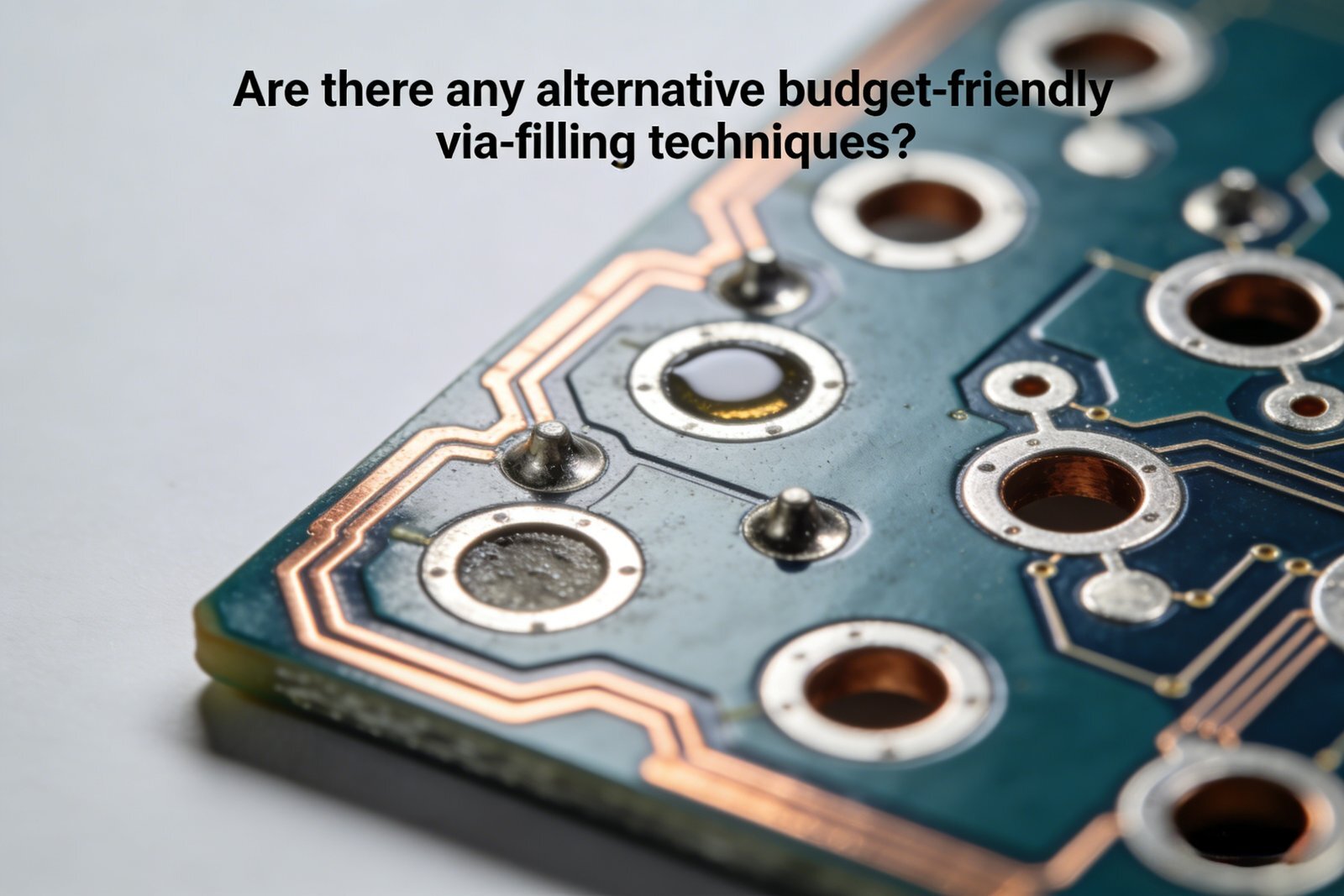
Are there any alternative budget-friendly via-filling techniques?
Looking for cheaper alternatives can save money. Thankfully, options exist that don’t compromise integrity. Exploring those can be quite beneficial, especially in high-stakes projects.
Yes, there are alternative budget-friendly techniques for via filling. Some methods utilize simpler materials or processes. These options can reduce expenses without sacrificing quality.
When evaluating alternatives, consider these options:
- Low-cost polymer fillers: Often reduce material costs while providing decent performance.
- Air-based processes: Some techniques avoid traditional filling methods entirely, decreasing costs.
- Selective filling: Only the crucial vias are filled, saving materials and resources.
Choosing the right alternative depends on your project's specific needs. Evaluate the trade-offs between cost and performance carefully. Sometimes, investing in a better alternative yields long-term benefits.
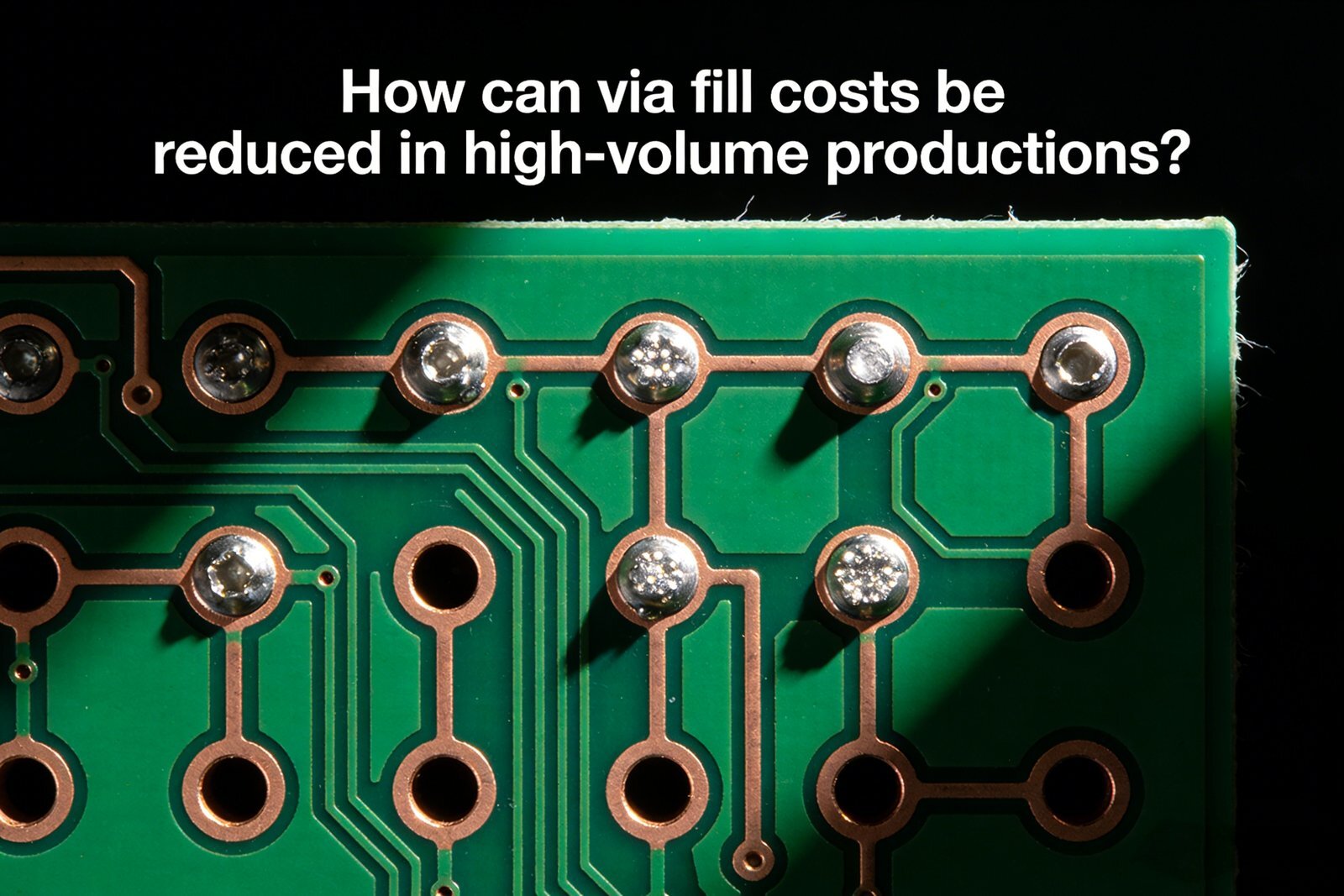
How can via fill costs be reduced in high-volume productions?
High-volume productions need cost-saving strategies. As demand grows, finding efficient methods is crucial. Let's look at practical ways to reduce via fill costs.
You can implement various strategies to lower costs in high-volume PCB production. Planning and optimizing the filling process, while being mindful of material choices, can lead to substantial savings.
Here are some effective methods to reduce costs:
| Method | Description |
|---|---|
| Process optimization | Streamline manufacturing steps to reduce time |
| Bulk material purchasing | Reduces per-unit costs for fills |
| Automation of filling | Reduces labor costs and improves efficiency |
In high-volume scenarios, automating processes and buying in bulk often create the most savings. Analyze your production line for areas needing improvement. Collaborative efforts with suppliers can also yield better prices.
Conclusion
Via filling is vital for reliable PCBs, balancing costs and performance wisely leads to better results.