Are you struggling to find reliable PCB manufacturers[^1]? The wrong choice can delay your project and cost you money. Don't let your next electronics venture suffer from poor board quality or endless shipping waits.
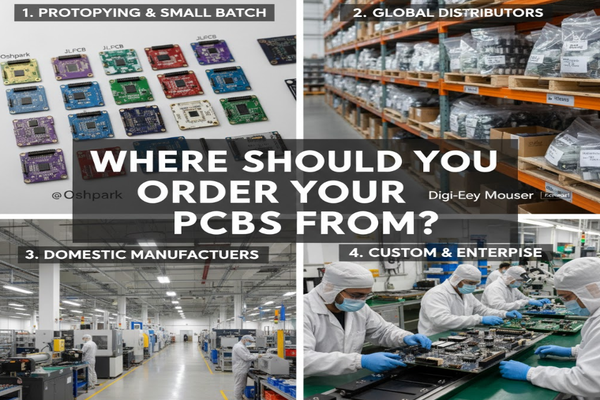
You can order PCBs from various places, depending on your needs. For low-cost prototyping[^2] or small batches, online manufacturers in China like JLCPCB[^3] and PCBWay[^4] are popular. For high-quality, small-to-medium batches with good support, South-Electronic[^5] is a strong option.

Choosing the right PCB supplier is critical. Let me share some common options and my insights, so you can make an informed decision and keep your projects moving forward smoothly.
What is the cheapest PCB material?
Are you worried about PCB costs eating into your budget? The material you choose has a huge impact on the final price. Don't waste money on expensive boards when a cheaper, suitable option exists.
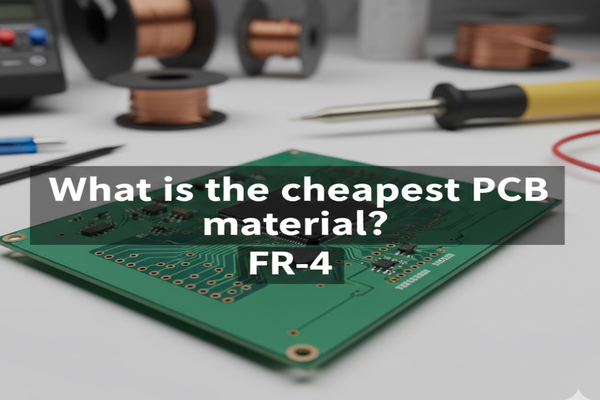
The cheapest PCB material is typically FR-4[^6], a glass-reinforced epoxy laminate. It offers a good balance of performance and cost, making it the most common choice for a wide range of electronic applications.
Understanding PCB materials helps you save money. FR-4 is usually the cheapest because it is widely available and easy to process. But, other materials exist for special needs. Let's break down material choices.
Common PCB Materials and Their Costs
| Material Type | Description | Typical Cost (Relative) | Best For |
|---|---|---|---|
| FR-4 | Flame Retardant Level 4, glass-epoxy composite | Low | General purpose, consumer electronics |
| FR-1/FR-2 | Phenolic paper, lower grade than FR-4 | Very Low | Simple, single-sided boards, low frequency |
| CEM-1/CEM-3 | Composite Epoxy Material, paper/glass hybrid | Medium-Low | Mid-range applications, better than FR-2 |
| Rogers | PTFE-based laminates | High | RF/Microwave, high-speed applications |
| Polyimide | Flexible material | High | Flexible circuits, high-temp applications |
The cost of PCB material is affected by its base components. FR-4 uses fiberglass and epoxy resin, which are abundant and inexpensive. High-performance materials, like Rogers, use more exotic and expensive materials, such as ceramic or PTFE, giving them better electrical properties for high-frequency signals. For most projects, FR-4 provides enough performance without breaking the bank. Always match the material to your circuit's specific requirements, considering factors like signal speed, operating temperature, and required durability. I often start with FR-4 and only switch if performance tests show a problem.
What is the lifespan of a PCB?
Are you curious how long your electronic devices will last? The PCB inside plays a big part in its durability. You don't want your carefully designed circuit to fail prematurely.
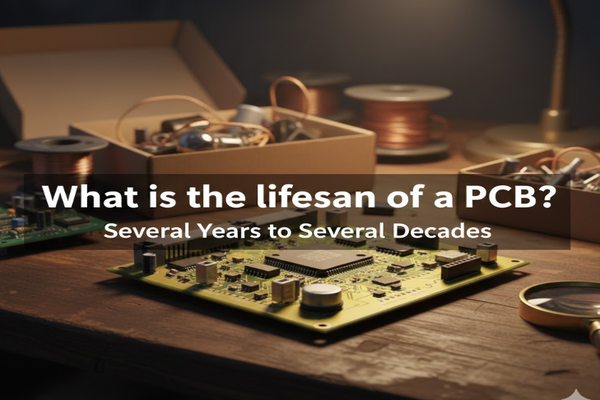
The lifespan of a PCB can range from a few years to several decades, depending on factors like material quality[^7], manufacturing processes[^8], operating environment[^9], and the stress it undergoes during its service life.
Knowing how long a PCB lasts helps you plan for product longevity. Many things affect how long a board works. Let's look at what makes a PCB last longer or shorter.
Factors Affecting PCB Lifespan
| Factor | Impact on Lifespan | Explanation |
|---|---|---|
| Material Quality | High quality = Longer life | Better materials resist degradation from heat, moisture, and chemical exposure more effectively. |
| Manufacturing Quality | High quality = Longer life | Proper soldering, accurate component placement, and good etching prevent early failures and ensure connections last. |
| Operating Temperature | Higher temperature = Shorter life | Excessive heat causes materials to expand and contract, leading to fatigue and delamination over time. |
| Humidity | High humidity = Shorter life | Moisture can cause corrosion and short circuits, especially in non-hermetically sealed environments. |
| Vibration/Shock | High vibration/shock = Shorter life | Mechanical stress can crack solder joints, traces, or the board itself. |
| Electrical Load | High current/voltage = Shorter life | Overloading traces or components can generate excess heat, leading to premature failure. |
| Design Practices | Good design = Longer life | Proper thermal management, trace impedance control, and component spacing help reduce stress on the board. |
A PCB's lifespan is a complex sum of many parts. For example, a high-quality FR-4 board operating in a cool, dry, stable environment could easily last 15-20 years. In contrast, a low-cost board in a hot, humid, vibrating industrial setting might fail in under a year. My own experience building prototypes has shown me that temperature management is key; a small fan or heatsink can add years to a device's life. Good design means not just making the circuit work, but also making it last. Consider the end-use environment when choosing materials and components.
Why is PCB shipping so expensive?
Are you shocked by the shipping costs for your PCBs? High shipping fees can make small orders less cost-effective. Don't let unexpected charges surprise you when ordering your boards.
PCB shipping can be expensive due to several reasons, including the weight and volume of the package, the speed of delivery chosen, the distance it needs to travel, customs duties, and the specific carrier's pricing structure for industrial goods.
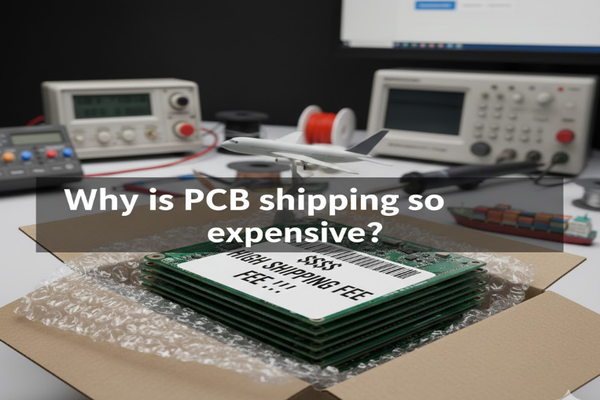
High shipping costs are a common problem for PCB buyers. Many factors make shipping more expensive than expected. Let me explain why you see those high numbers.
Main Reasons for High PCB Shipping Costs
| Factor | Explanation | Strategy to Reduce Cost |
|---|---|---|
| Weight & Volume | PCBs, especially in large quantities or with thick copper layers, can be surprisingly heavy. Volume also matters for dimensional weight calculations. | Optimize panelization to reduce board size; consider sea freight for very large orders. |
| Speed of Delivery | Express shipping (e.g., DHL, FedEx, UPS) is fast but costly. It often involves air freight and priority handling. | Plan ahead and use standard shipping; consolidate orders to ship less frequently. |
| Distance | Shipping from major PCB manufacturing hubs (like China) to other continents involves long distances, increasing fuel and logistical costs. | Order from regional suppliers if available for quicker, sometimes cheaper, local shipping. |
| Customs & Duties | International shipments often incur import duties, taxes, and customs clearance fees, which vary by country and the value of the goods. | Research import duties beforehand; ensure supplier handles customs paperwork correctly. |
| Packaging | PCBs require robust packaging to prevent damage during transit, which adds to the overall package size and weight. Anti-static bags and sturdy boxes are necessary. | Ensure packaging is adequate but not excessive; discuss options with your supplier. |
| Fuel Surcharges | Shipping carriers apply fuel surcharges that fluctuate with global oil prices, adding a variable cost to shipments. | Not easily controlled, but less impactful with slower shipping methods. |
Shipping PCBs often costs a lot because of logistics. When I order boards from overseas, the express air freight can easily double the cost for a small batch. This is because they need to reach you quickly and safely. Air freight is faster, but more expensive than sea freight, which is why those quick 3-day deliveries from China cost so much. Also, international shipments involve customs, which means extra paperwork and fees. To cut down on costs, I always try to plan my orders in advance and choose standard shipping if the timeline allows. This greatly reduces the overall expense.
Conclusion
Choosing where to order PCBs depends on your specific needs, balancing material costs, desired lifespan, and managing shipping expenses effectively.
[^1]: Explore this link to find top-rated PCB manufacturers that ensure quality and timely delivery for your projects. [^2]: Discover affordable PCB prototyping services that can help you save money while maintaining quality. [^3]: Learn about JLCPCB's offerings and how they can meet your PCB manufacturing needs efficiently. [^4]: Find out why PCBWay is a popular choice among electronics enthusiasts for PCB manufacturing. [^5]: Explore South-Electronic's strengths in providing high-quality PCBs and excellent customer support. [^6]: Understand why FR-4 is the most common PCB material and its advantages for various applications. [^7]: Discover the importance of material quality in extending the lifespan of your PCBs. [^8]: Explore how different manufacturing processes can influence the performance and durability of PCBs. [^9]: Understand the impact of environmental factors on the longevity of your PCBs.