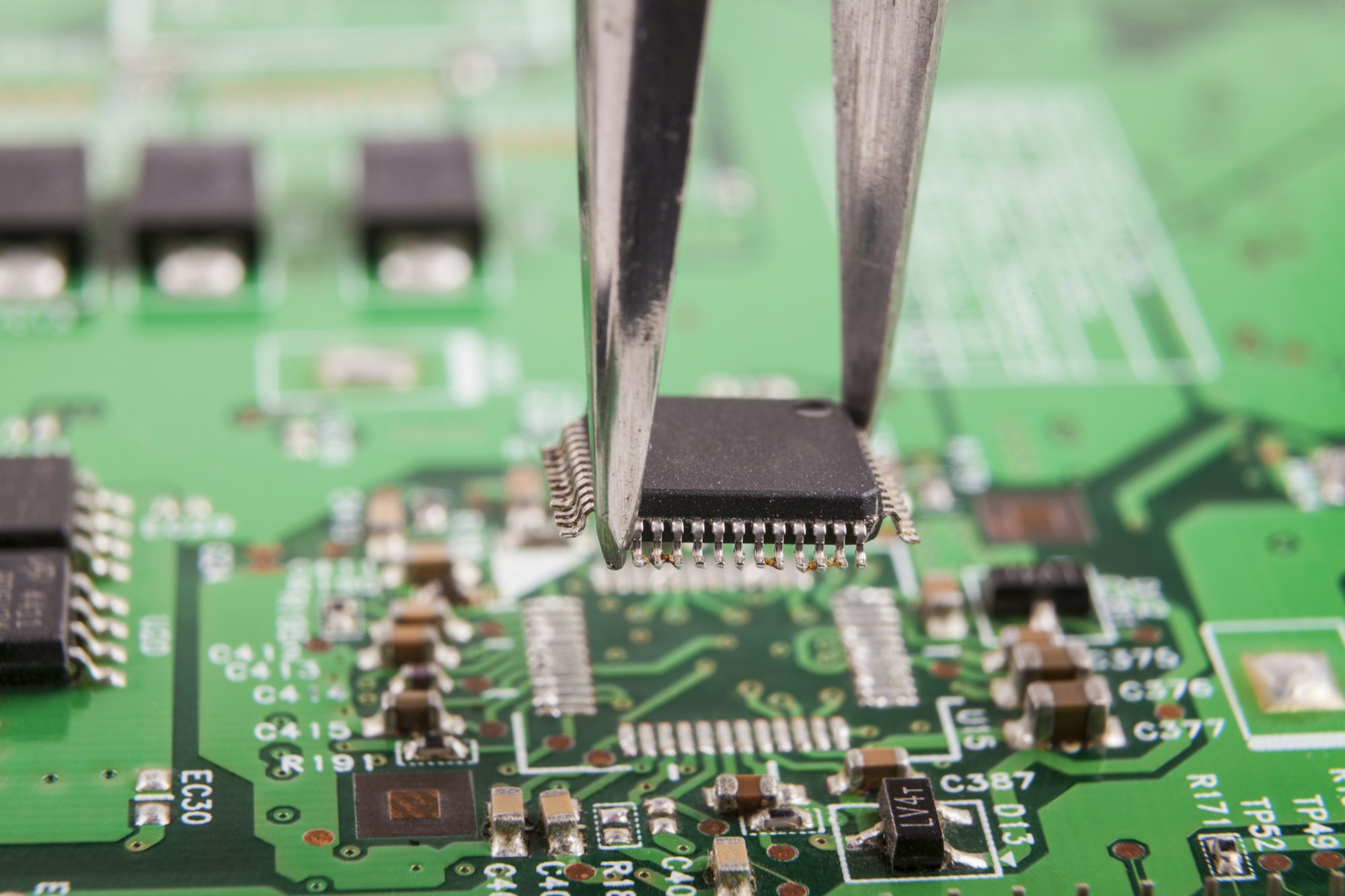
SMD vs SMT: What’s the Real Difference?

Learn the critical difference between SMD components & SMT assembly. Master SMD marking decoding, industry applications, and optimal package selection to prevent design errors.
How thick should my SMT stencils be?
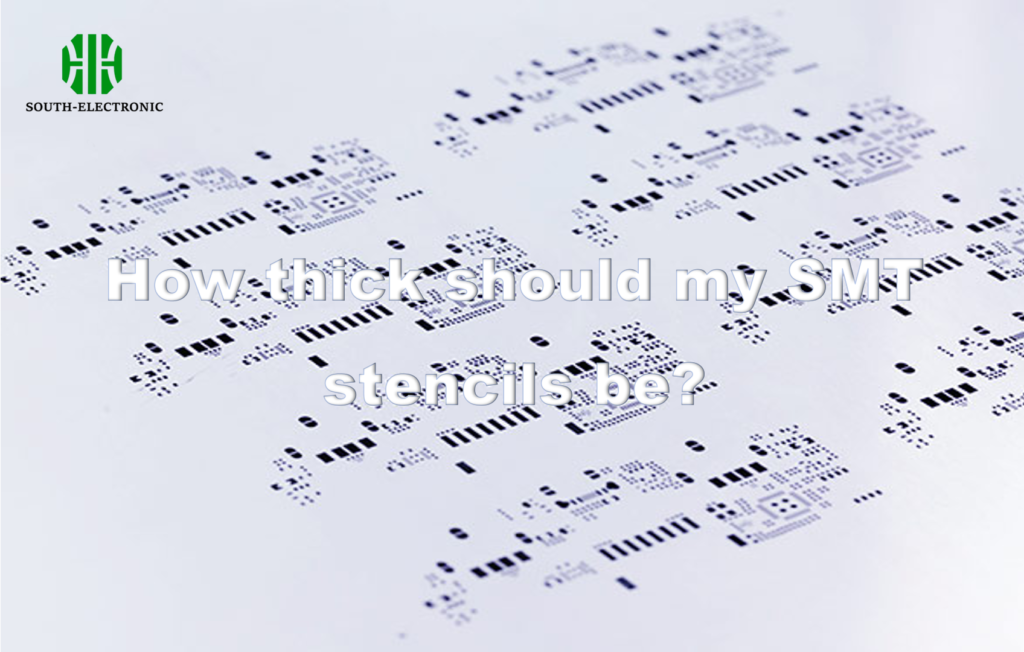
Prevent PCB overheating: choose heatsinks by material/geometry, Optimize SMT stencil thickness (0.1-0.2mm), design apertures to prevent bridges, apply coatings for fine-pitch components, and maintain stencils to extend lifespan for flawless solder paste deposition.
How Do I Pick the Right Heatsink for My PCB?

Prevent PCB overheating: choose heatsinks by material/geometry, secure with screws/clips/adhesive, add thermal vias, and avoid TIM failures or loose mounting for reliable thermal management.
What are rigid PCBs made of?

Master rigid PCB durability, cost-saving design strategies, material choices & signal integrity for high-speed applications. Choose wisely vs. rigid-flex PCBs.
What is the maximum thickness of copper in PCB?

Choose PCB copper weight wisely: use 1-3oz for standard boards, 4-12oz heavy copper for high-power/heat, and 12-20oz for extreme applications. Design tips included.
What are aluminum PCBs used for?
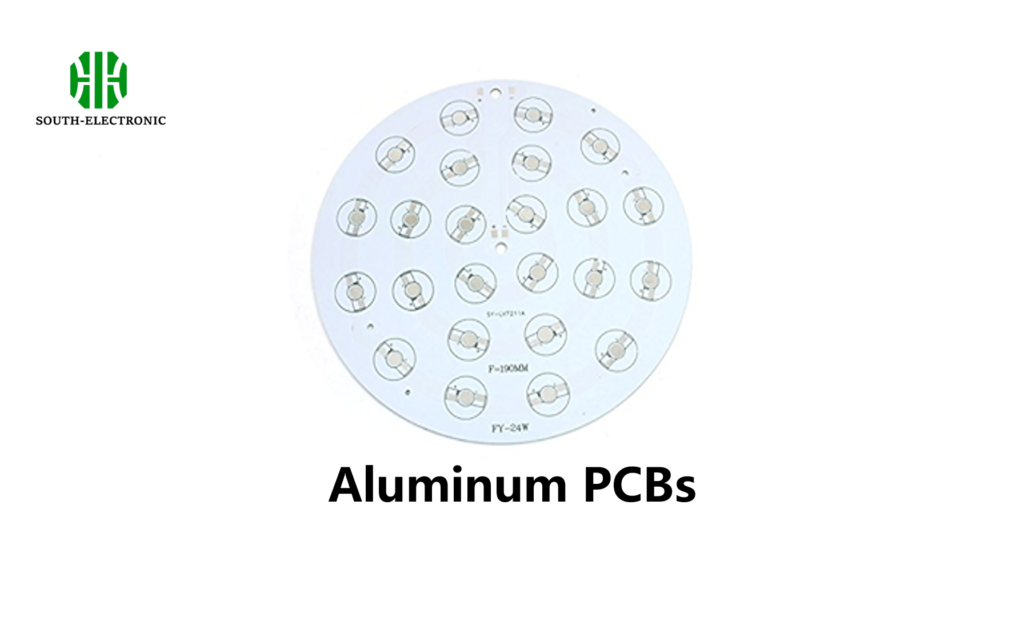
Aluminum PCBs offer 10x faster thermal conductivity than FR4. Essential for power electronics like LEDs, amplifiers & automotive apps despite higher costs. Solve overheating.
What is Prepreg vs Core?

Understand PCB core (rigid copper backbone) vs. prepreg (bonding adhesive). Correct prepreg selection prevents delamination, signal loss, and thermal failures in multilayer boards.
Which is the most popular PCB design software?
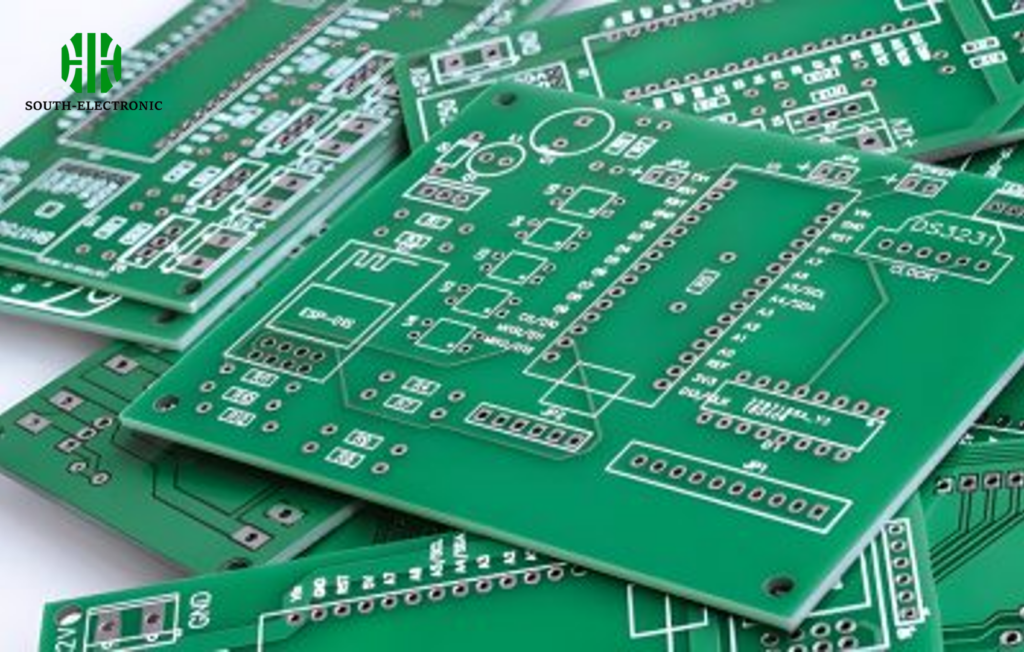
Compare top PCB tools: Altium for complex designs, Eagle for teams/hobbyists, KiCad for free open-source. Avoid AutoCAD for electronics. Cloud collaboration tips & cost analysis included.
What are PCB post-drilling processes?
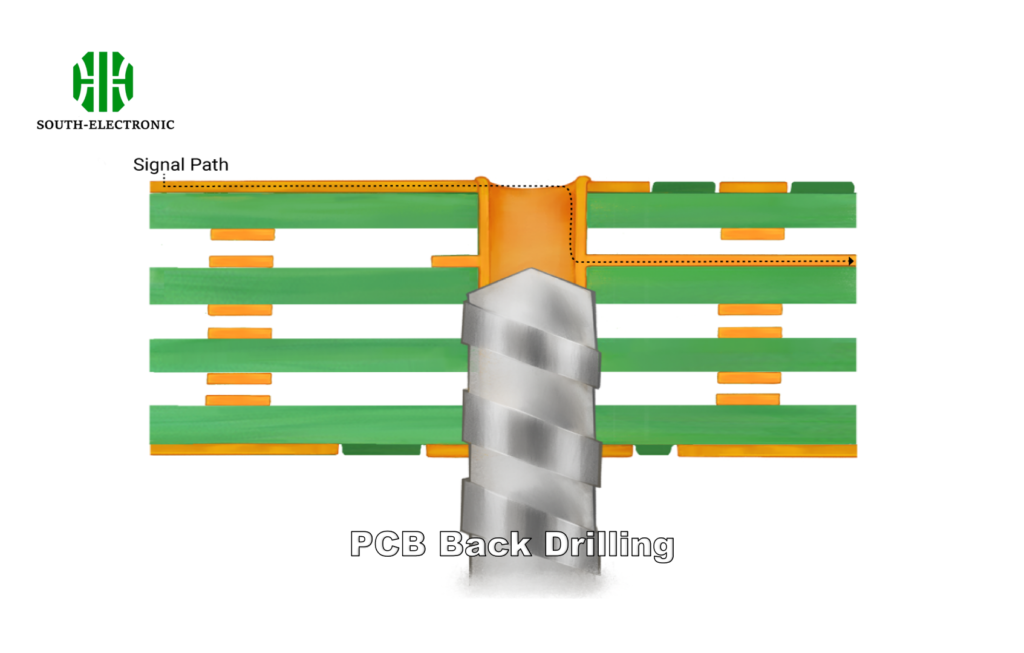
Master PCB drilling reliability by optimizing parameters, preventing defects like resin smear, and choosing mechanical/laser drilling based on hole specs for signal integrity.
How Do You Avoid Common Mistakes in Basic PCB Antenna Design?

Prevent PCB antenna failures: optimize clearance, ground planes & simulations. Match antenna types to frequency, space & cost. Validate designs for robust wireless performance.