What is the best PCB material for high-frequency?

Rogers, Isola, or Panasonic laminates outperform FR-4 for GHz circuits. Learn high-speed vs RF PCB differences, 5G signal loss fixes & best surface finishes for RF.
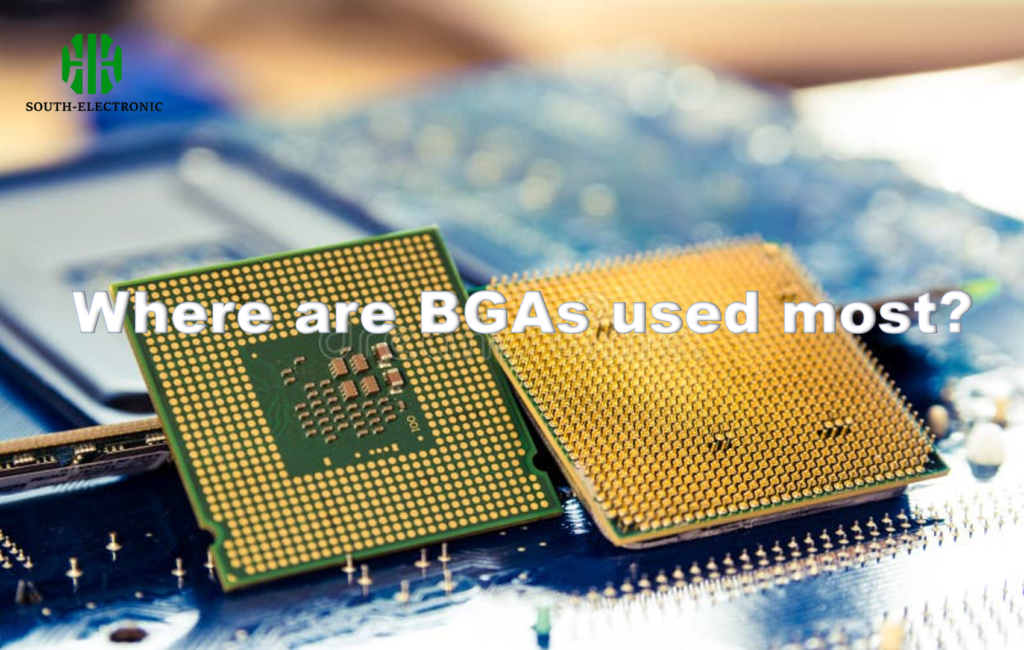
Where are BGAs used most?
Prevent PCB overheating: choose heatsinks by material/geometry, Optimize SMT stencil thickness (0.1-0.2mm), design apertures to prevent bridges, apply coatings for fine-pitch components, and maintain stencils to extend lifespan for flawless solder paste deposition.
What are the different types of PCB surface finishing?

Choose the right PCB surface finish to avoid solder failures: HASL for low-cost prototypes, OSP for quick assembly, ENIG/ENEPIG for RF/high-reliability. Balance cost, signal needs, and lead time.
How thick is 1 oz copper on a PCB?
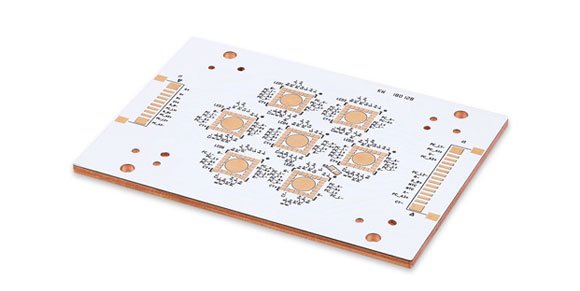
PCB copper thickness guide: 1 oz standard balances cost/performance. Use 2 oz for high-current/high-heat design zones. Avoid thick copper for high-frequency/sensitive price projects.
Blind, Buried, or Through Via?
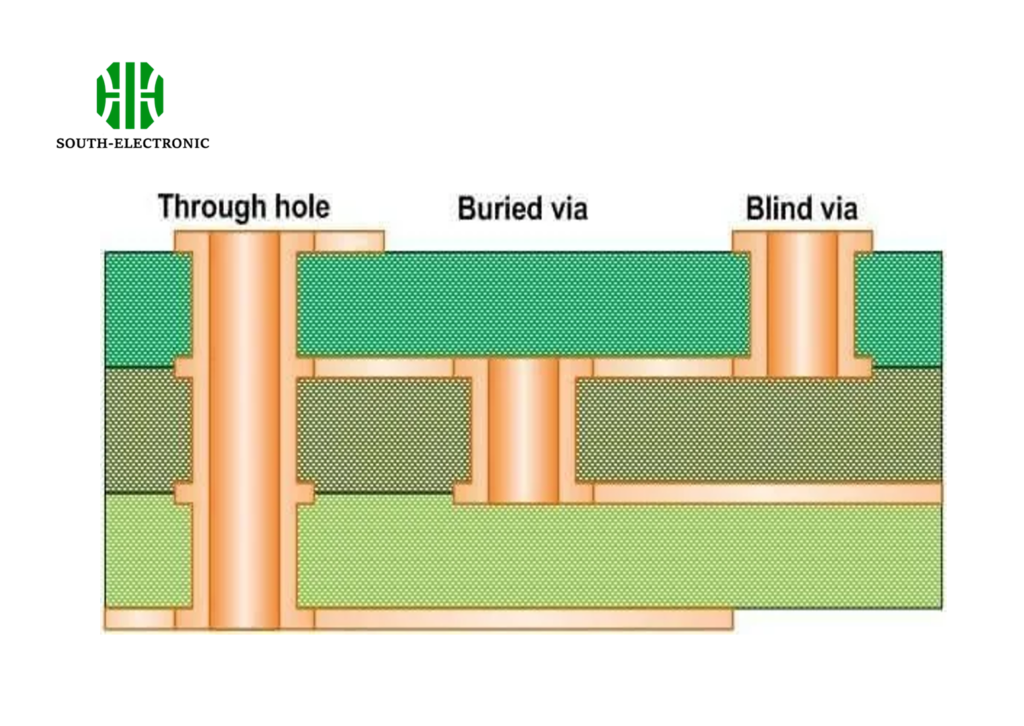
Master PCB via selection: balance cost, density & signal needs. Proper sizing prevents overheating. Understand via-pad differences. Prevent failures with plating standards.
Is Your FR-4 Board Right for High-Speed Signals?
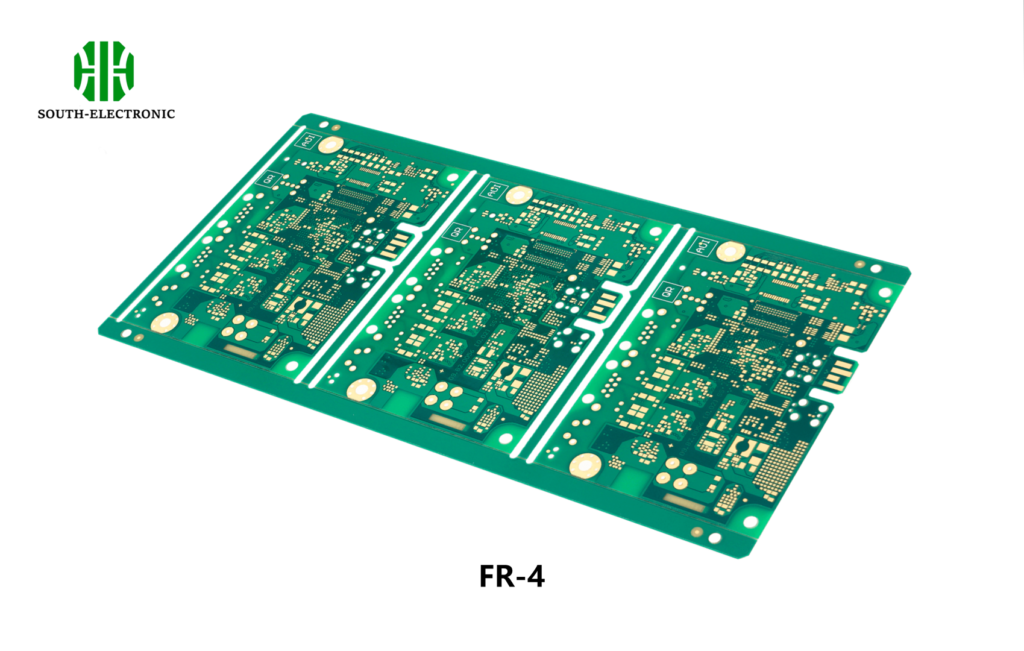
FR-4 supports MHz designs affordably but suffers dielectric losses >5GHz/long traces. Optimize layer stackup, thermal design & shielding – or switch to low-loss laminates for GHz needs.
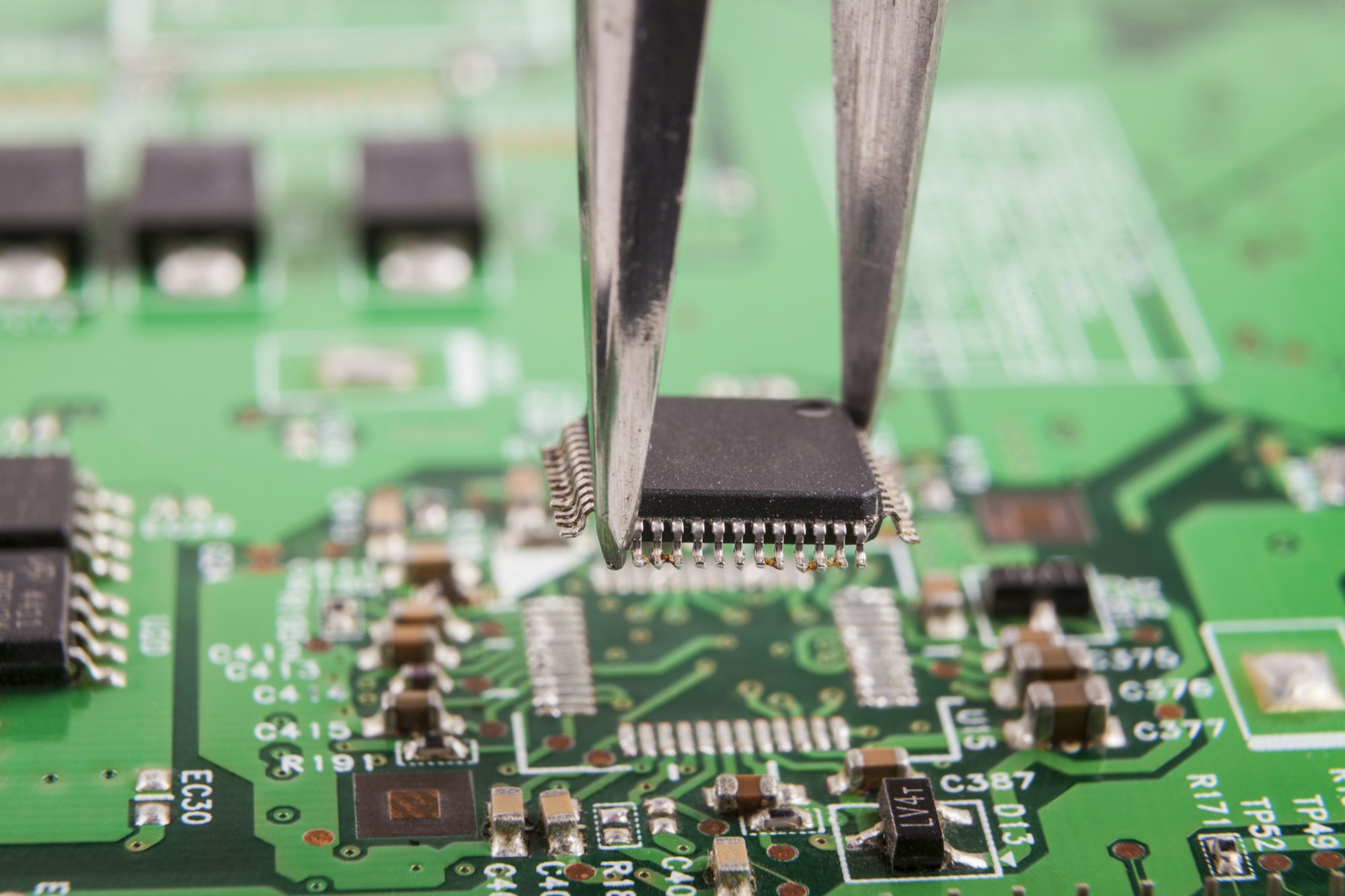
How to choose the right surface mount IC package?
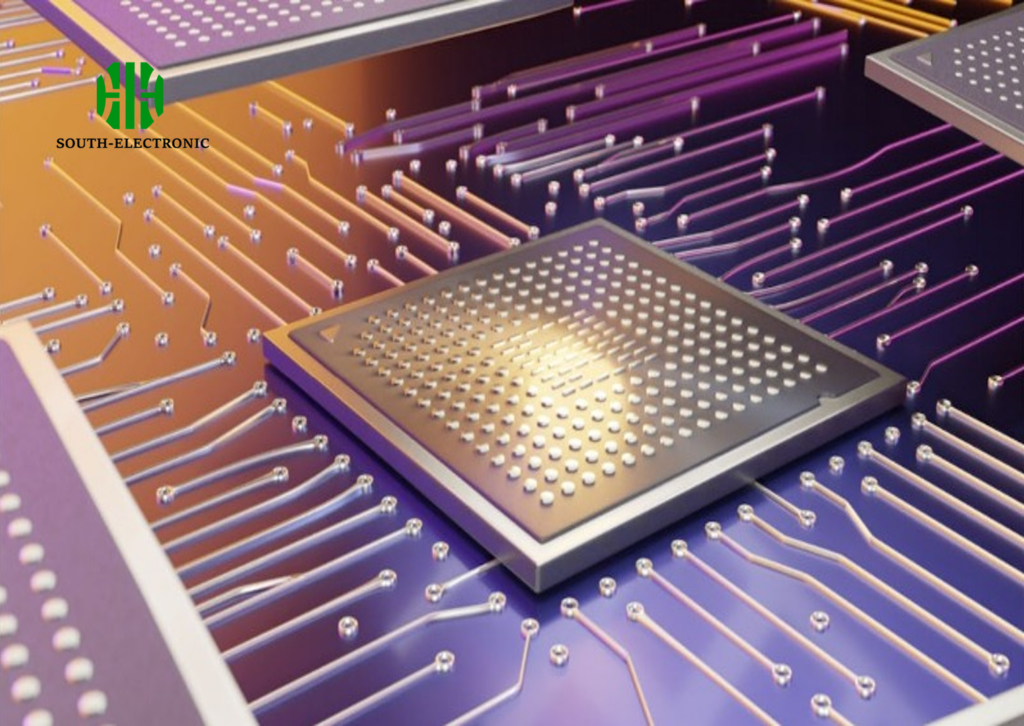
Choose IC packages by balancing signal speed, heat dissipation, board space, and cost. Avoid overheating and failures—learn key uses for BGA, QFN, QFP & SOT packages.
Why Do Cold Solder Joints Occur?
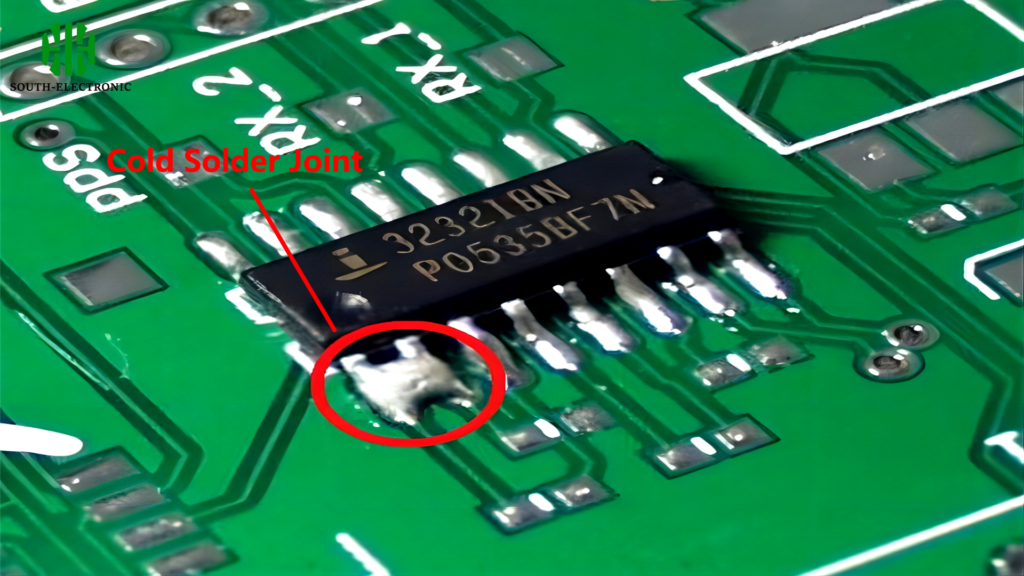
Cold solder joints cause device failure. Learn to spot dull/cracked joints, fix with proper reflow and tools like flux, and test using thermal/multimeter methods.
Why choose rigid flex PCB?
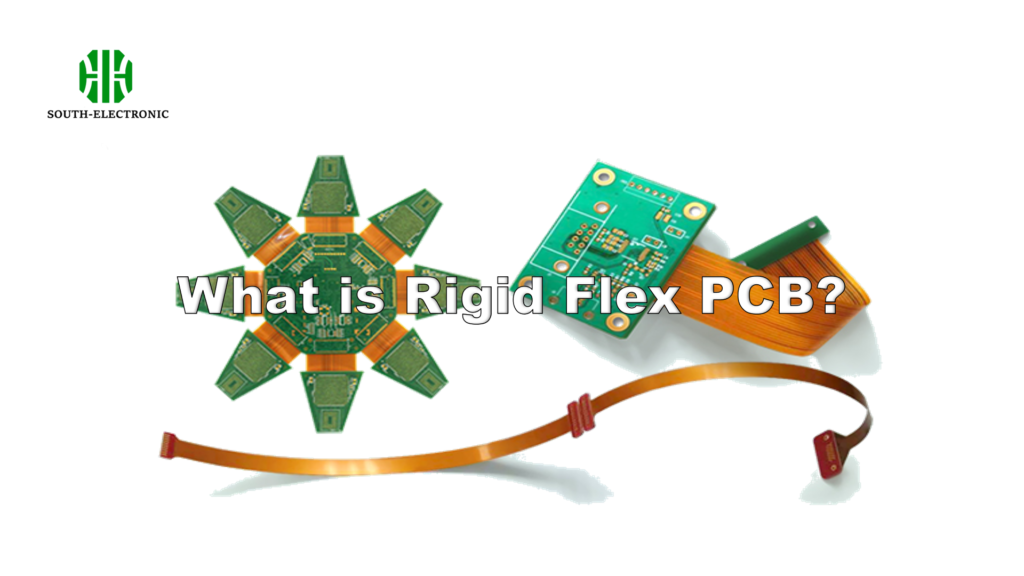
Rigid flex PCBs merge solid & bendable circuits to eliminate connectors, cut failure risks, boost signal integrity, and enable compact designs for medical/aerospace systems.
What are 5 critical FR4 properties?

FR4 PCB material dominates with 5 key traits: insulation, strength, flame retardancy (UL-certified), moisture resistance, and cost-efficiency. Avoid catastrophic failures by mastering specs.