What are PCB spring contacts?
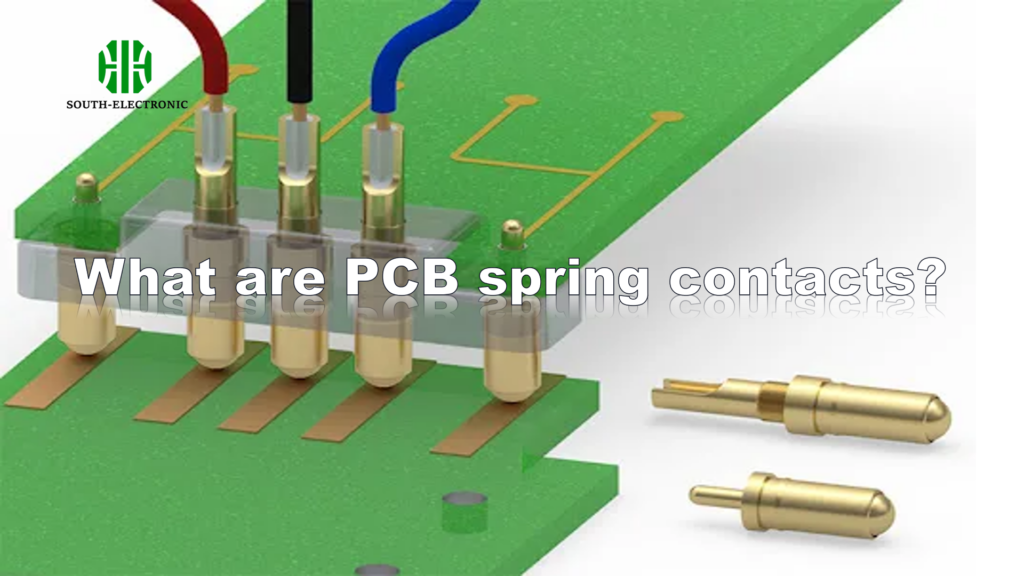
Solve PCB disconnect headaches! Choose spring contacts (pogo pins, fingers, cantilevers) matched to mechanical demands. Optimize layout & prevent failures for stable connections.
Why do we need resistive termination?
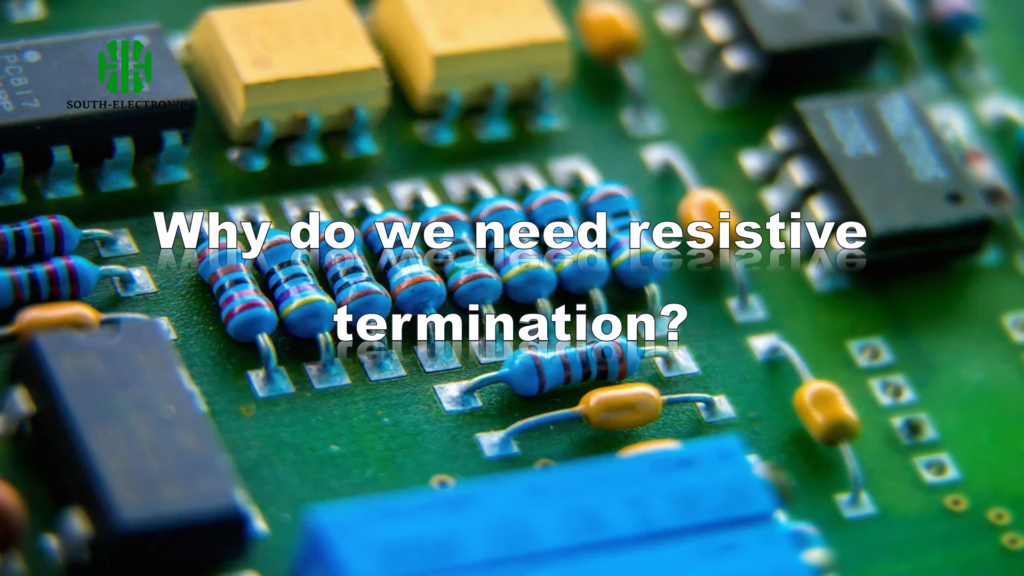
Master resistive termination techniques—parallel, series, Thevenin—to eliminate reflections, noise, and data errors. Essential solutions for reliable signal integrity and robust PCB design.
Why would you need potting for your PCB?

Potting protects PCBs from moisture, vibration, and shocks. Choose epoxy, silicone, or polyurethane compounds based on your environment. Balance cost and durability for long-lasting boards.
What Are Passive Components?
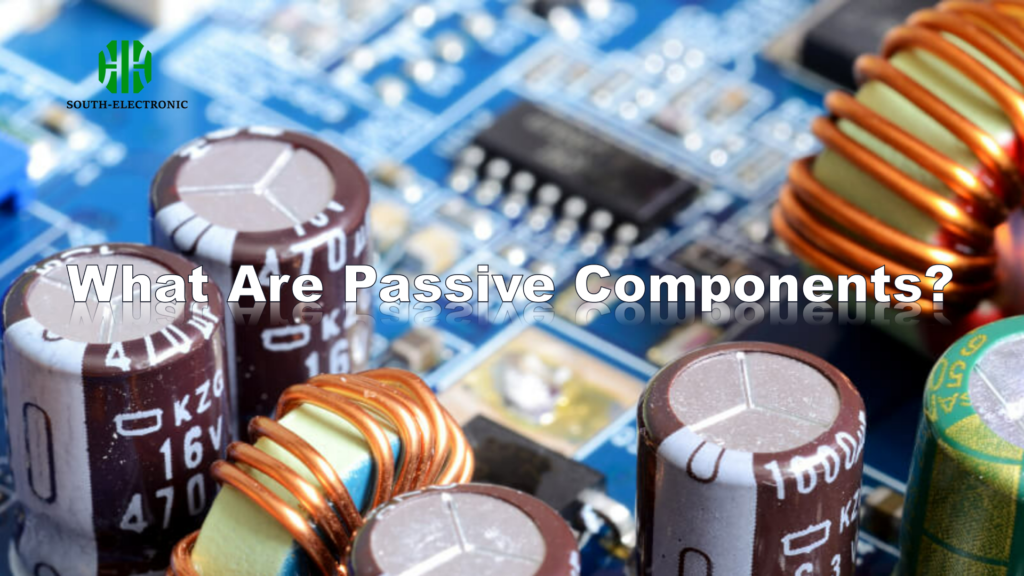
Passive components are essential, power-free circuit heroes. Resistors control current, capacitors store charge, inductors manage fields. Learn types, differences vs active, and key selection strategies.
How does a motherboard’s circuitry differ from other circuit boards inside your PC?
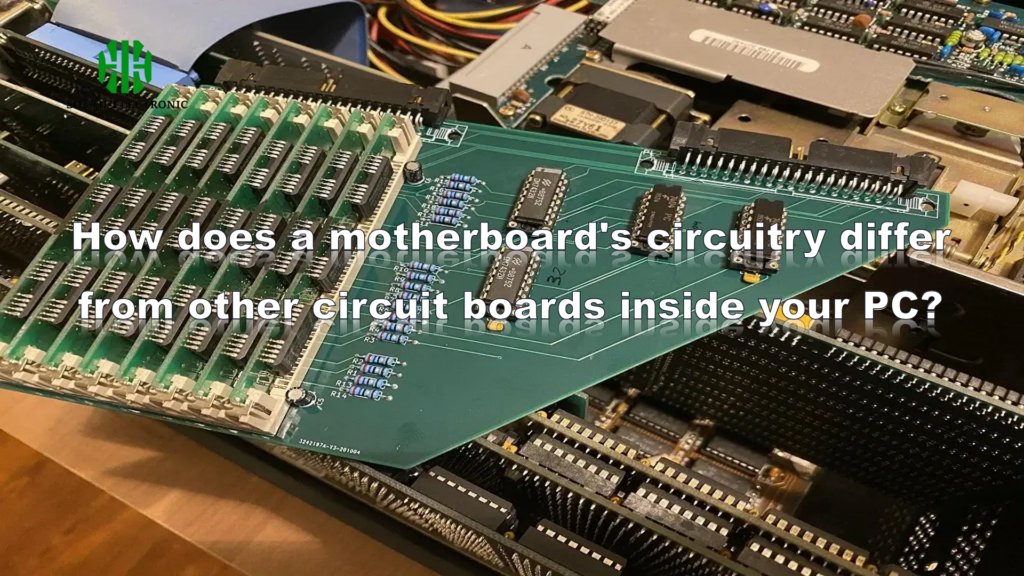
Motherboards are vital PC hubs. Their complex circuits manage power delivery to CPU/RAM, high-speed data transfer, & precise timing. Chipsets coordinate everything, requiring layered PCBs.
What are the cost factors of PCB milling for prototype vs. production quantities?
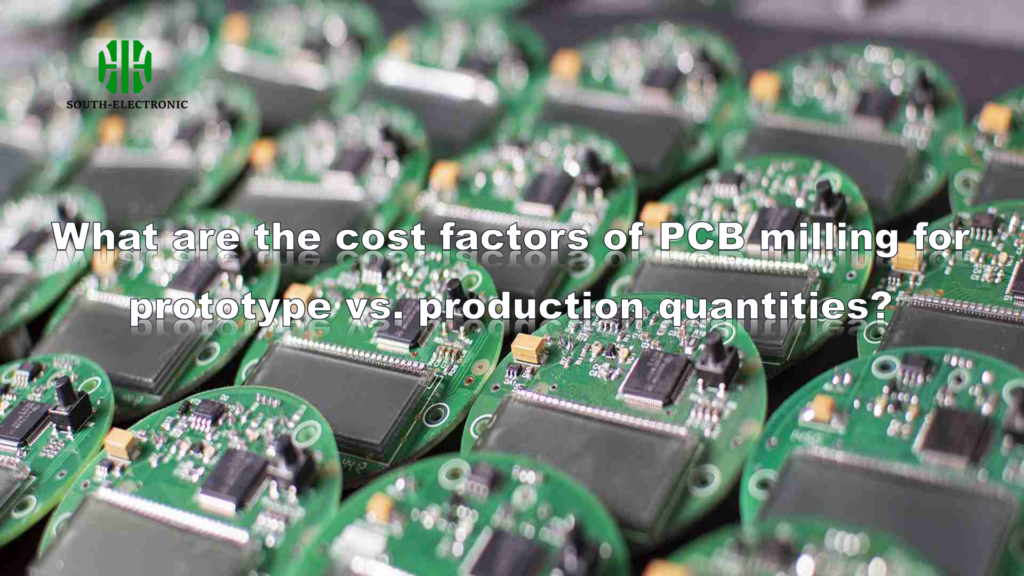
Understand why PCB prototype milling costs more than mass production. Learn key drivers: volume, automation, materials. Optimize costs for every scale with smart equipment and settings choices.
What are the reasons for PCB leakage and false leakage?

Analyzes leakage plating & false leakage plating in PCB immersion gold process. Causes include poor pretreatment, plating solution imbalance, conductivity issues, incorrect parameters, and mask failures. Essential troubleshooting guide.
What exactly is a microcontroller, and how does it differ from a microprocessor?
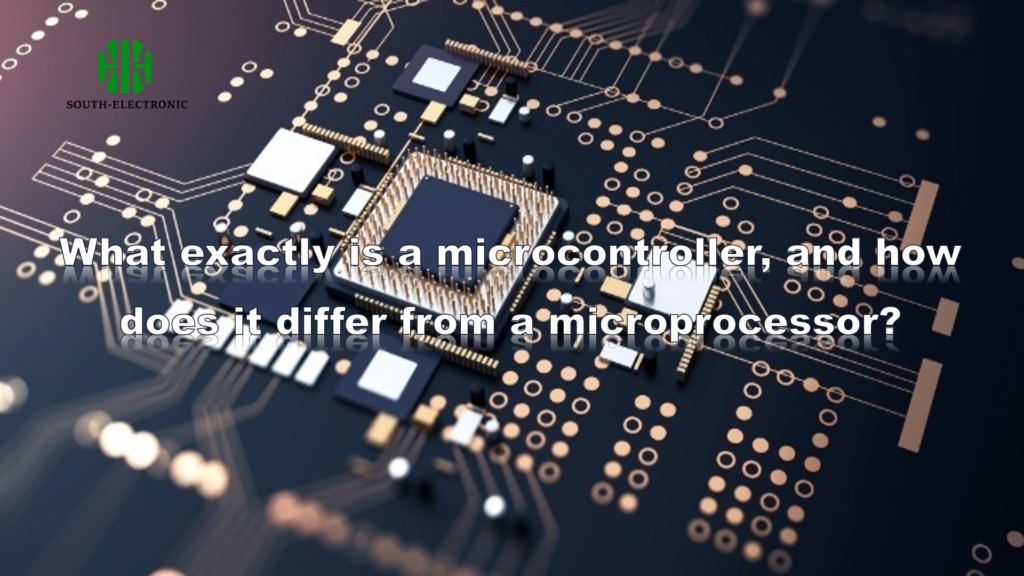
Microcontrollers (MCU) integrate CPU, memory & peripherals for dedicated tasks like car airbags or thermostats. Use $10 budget chips (ESP32/Arduino) for pro projects. Source suppliers safely to avoid counterfeits.
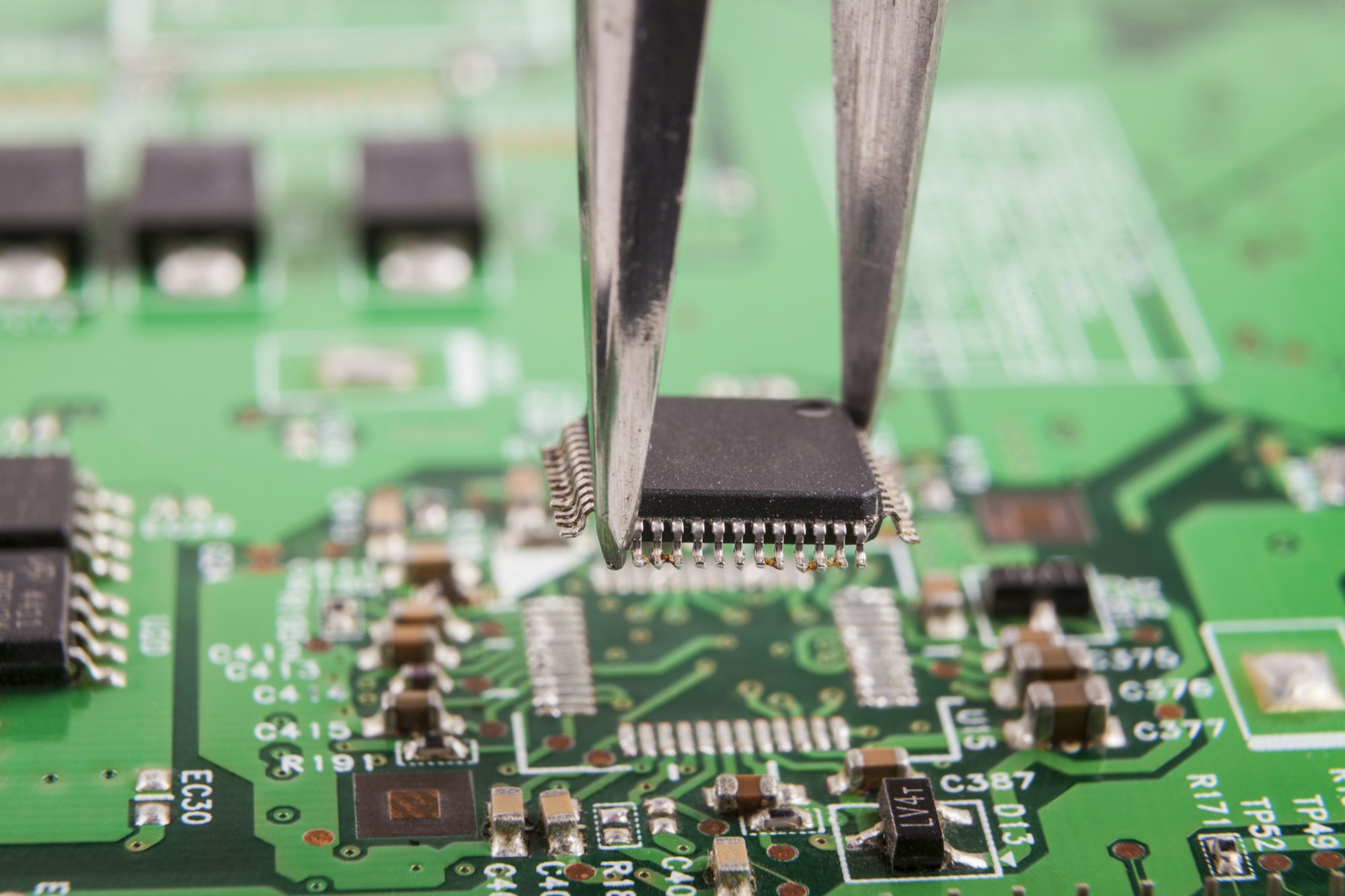
Do you know what these letters on the PCB mean?

Essential guide to PCB letters: R=Resistor, C=Capacitor, Q=Transistor, D=Diode. Numbers indicate circuit function & component position. Decode R107, C118 effortlessly!
How are PCB substrates set up?
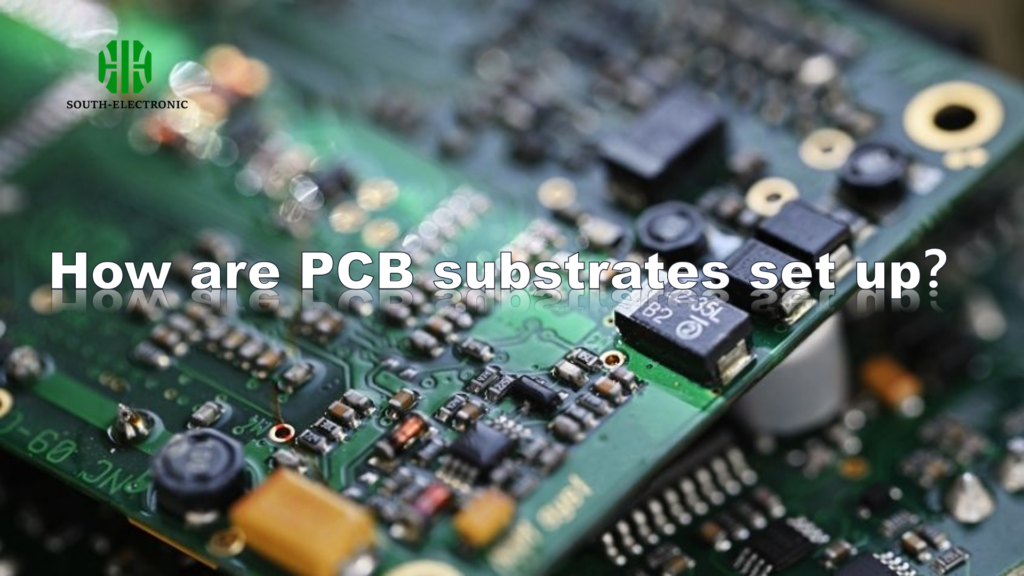
Master PCB substrates: Avoid failures by choosing correct materials (FR-4, metal core, HF) for apps like automotive, medical & sourcing from trusted suppliers. Build durable boards.