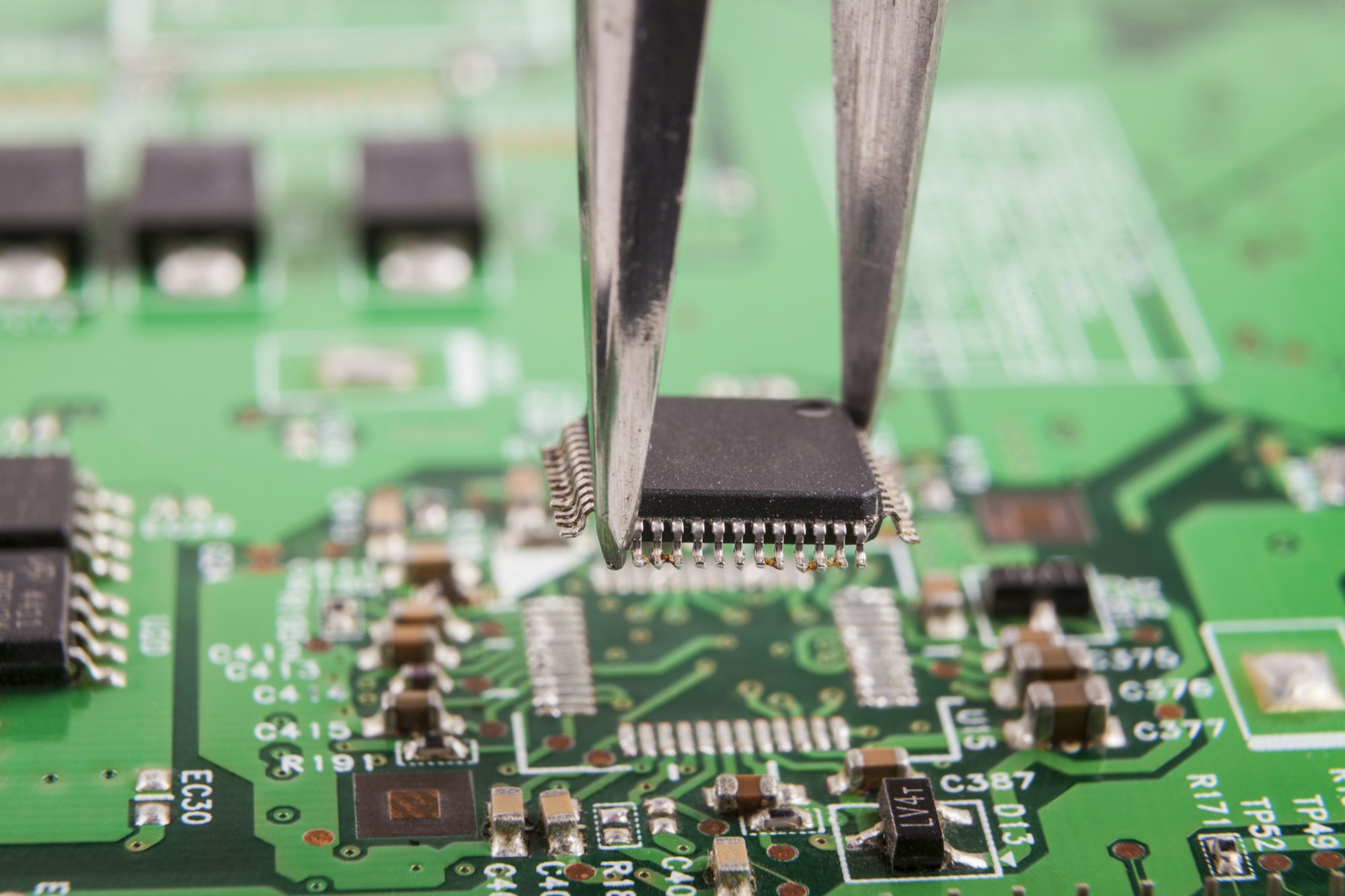
What can you actually build with FPGAs in real-world applications?

FPGAs deliver insane parallel speed for AI, robotics, and networks. Start with $20 boards. Beat CPUs/GPUs in power and latency. Essential career skill for 5G, space tech, and quantum computing.
Why Choose Blue PCB?

Blue PCBs boost inspection accuracy with high-contrast markings, offer brand distinction, and enhance thermal/UV resistance. Ideal for premium electronics where clarity matters most.
What defines an active component in electronics?
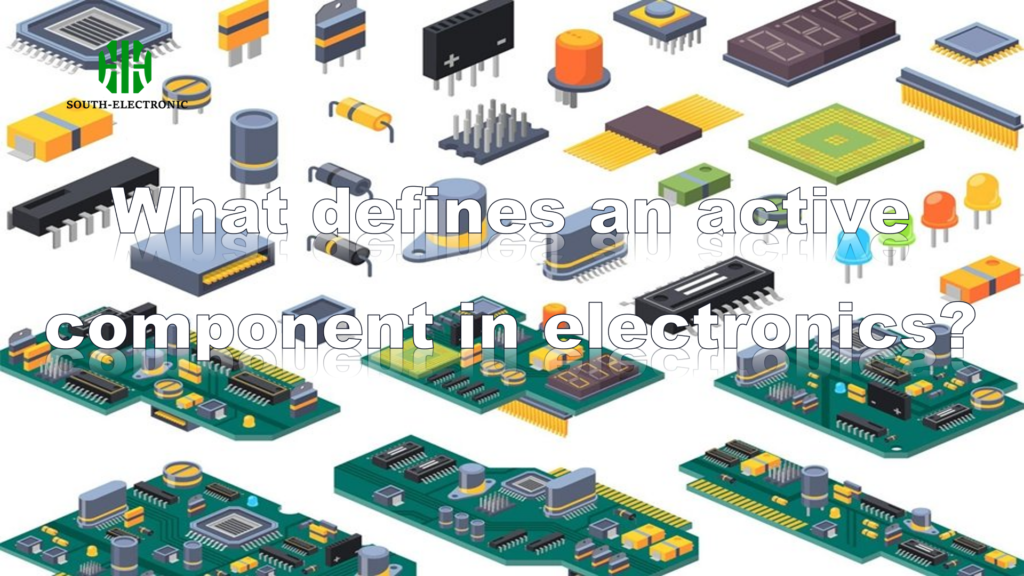
Active components like transistors & ICs require external power to amplify signals, switch currents, and create oscillation – essential core functions in all modern electronic devices.
What exactly is a PCB header connector?
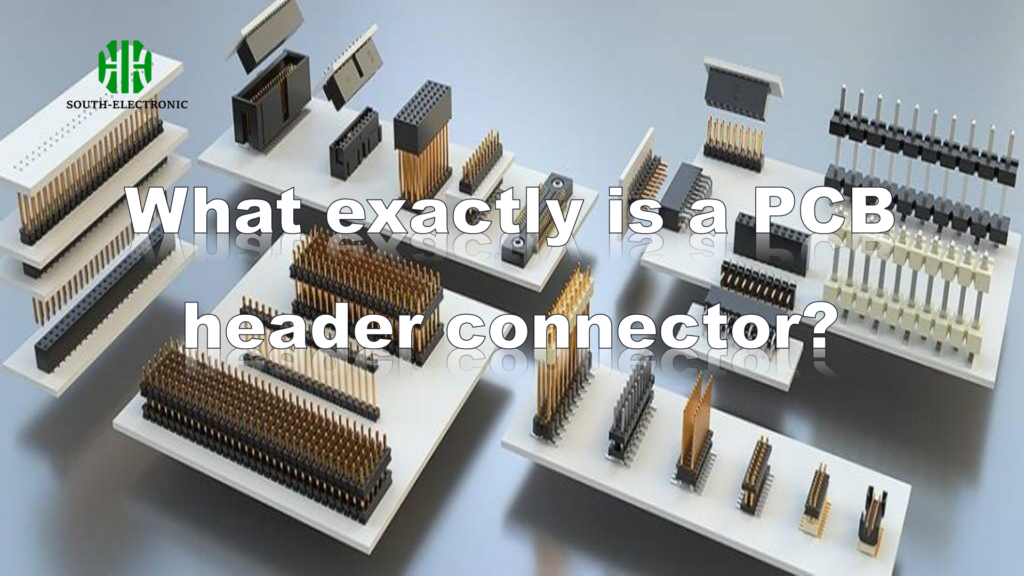
Fix wobbly wires & unstable board links! PCB headers provide secure connections. Learn to choose types, pitch, pin count, gender & reliable suppliers.
What is Solder Paste Inspection(SPI)?
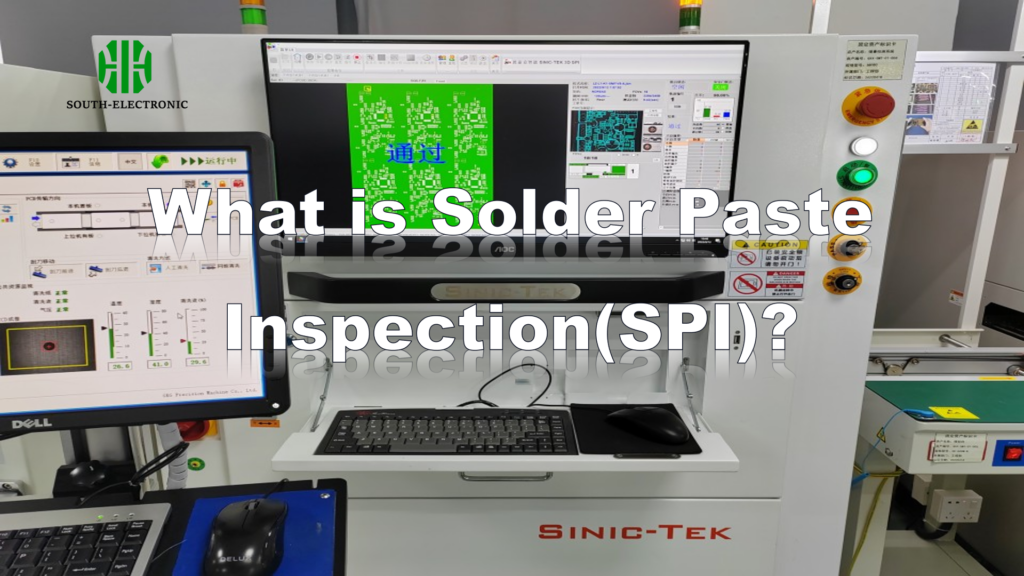
SPI catches solder defects pre-reflow using 3D/2D tech. Learn key metrics, setup choices (InLine/Offline), and cost-saving strategies for flawless PCB assembly.
How to Desolder SMD?
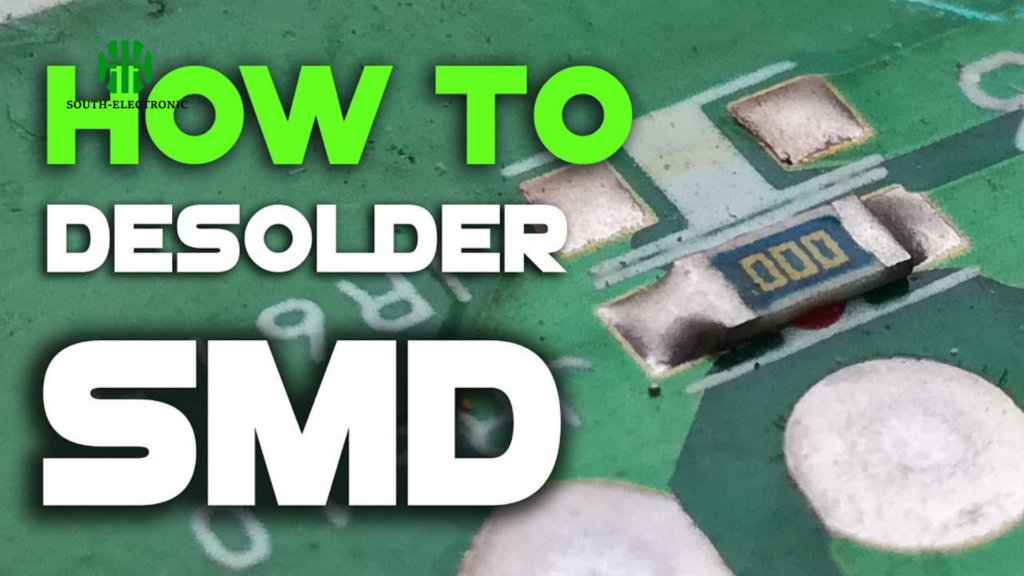
Learn to desolder SMD components safely: hot air for ICs, braid for small parts, flux/iron for basics. Avoid cracked boards—tools, temps, and steps simplified.
Why are non-conductive materials the backbone of PCB functionality?
Essential PCB insulation prevents shorts & enables performance. Learn how to choose non-conductive materials for reliability, heat management & signal integrity. Complete guide.
When does circuit board refurbishing make financial sense?
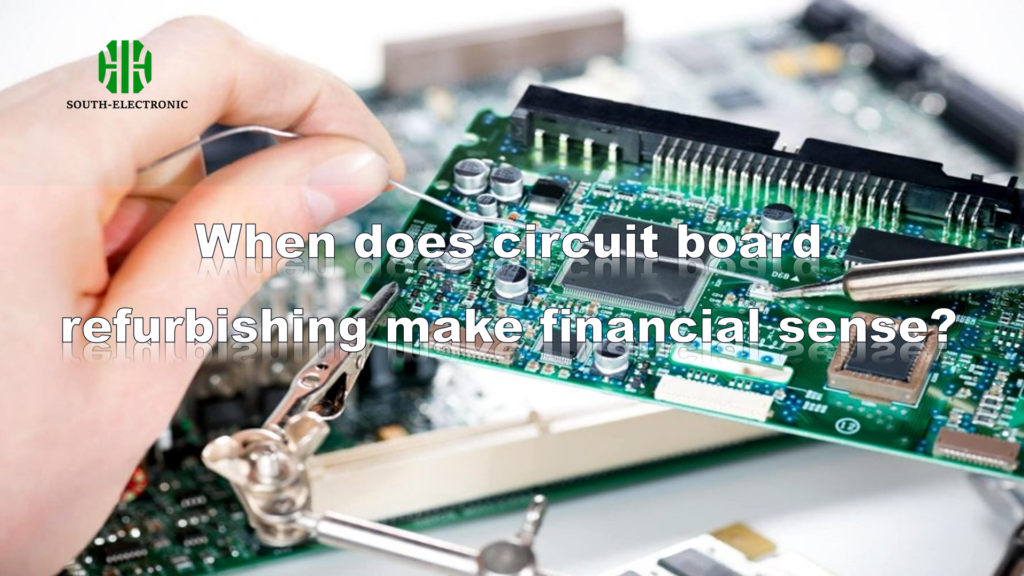
Save thousands: Repair circuit boards for <30% of replacement costs when appliance core is intact. Fix burnt caps, cracked solder & avoid e-waste. Expert insights since 2020.
What are the characteristics of SMT components?
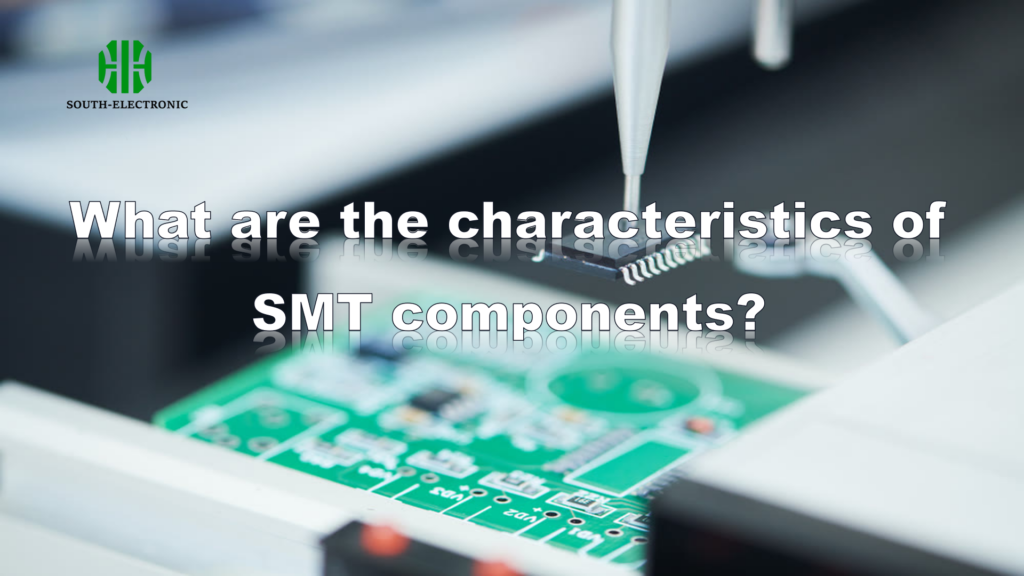
SMT technology enables 40-60% smaller, 60-80% lighter electronics with superior reliability, vibration resistance, high-frequency performance, automated production, and significant cost savings.
What does an SMD look like? What about an SMT line?

SMDs enable tiny electronics parts. SMT automates their assembly for mass production. Together they replace bulky THT tech, enabling compact devices but complicating repairs.