What is the PCB Lamination Process?
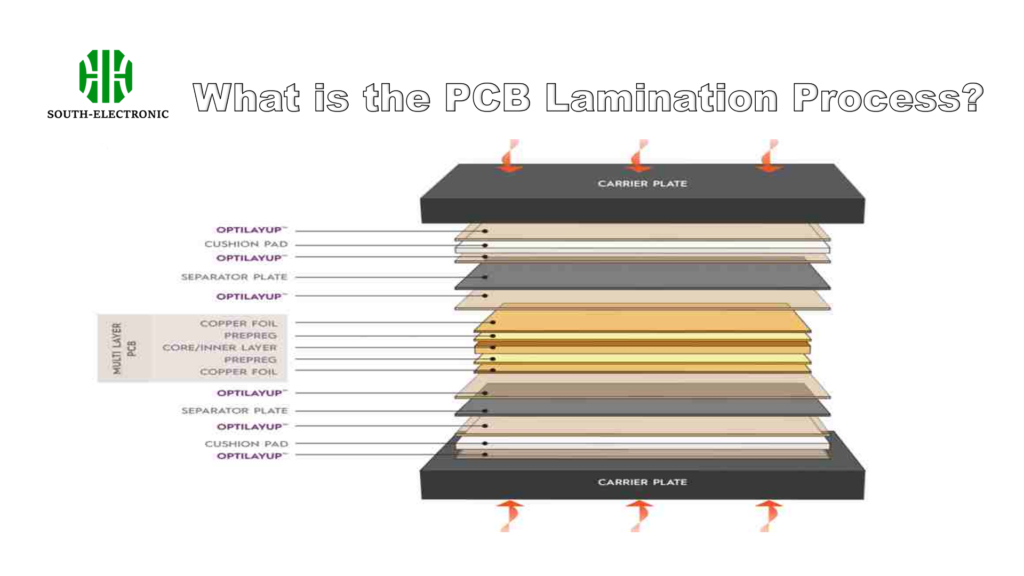
PCB lamination bonds layers via heat (170–200°C) and pressure (200–500 PSI)—prevents delamination, voids, critical for 5G, automotive tech.
What is the Difference Between Stripline and Microstrip?
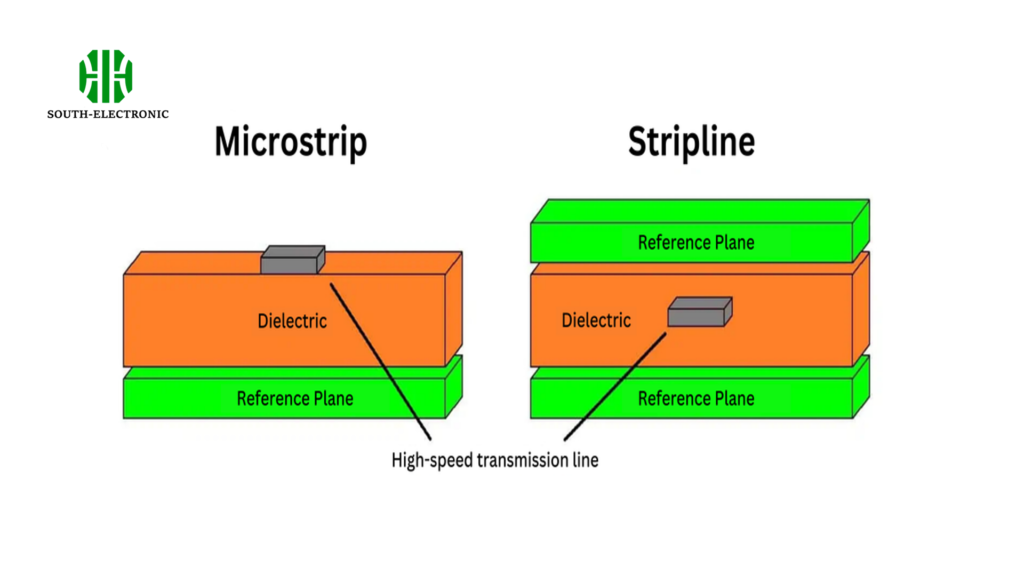
Choose microstrip for cost-effective 10GHz EMI shielding. Compare EMI, cost, frequency needs for optimal signal integrity.
What is Rigid Flex PCB?
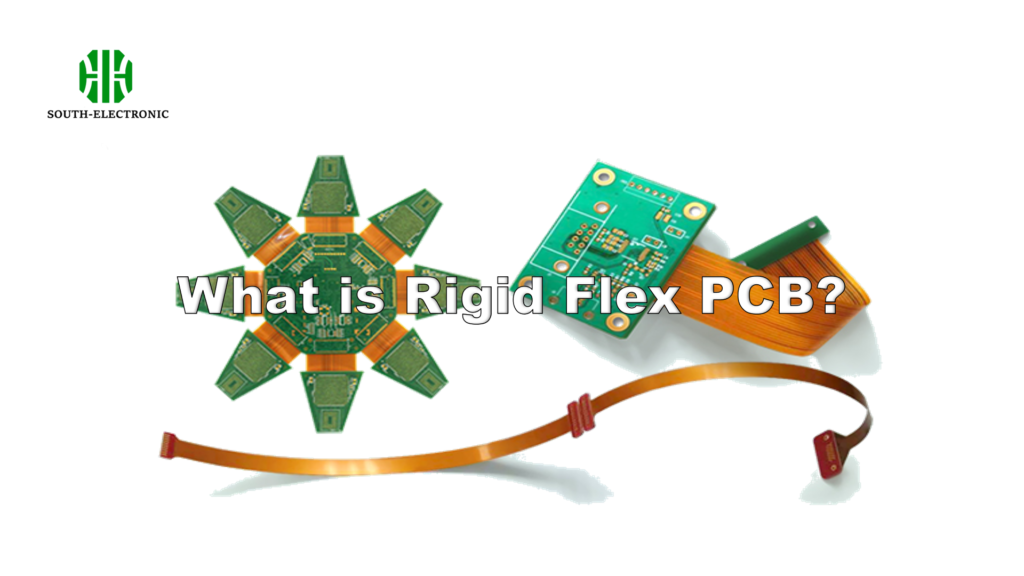
Rigid-flex PCBs boost reliability, cut weight 50-70%—ideal for aerospace, medical devices. IPC-compliant 3D solutions eliminate connectors.
How to Design and Manufacture an Energy Storage PCB?
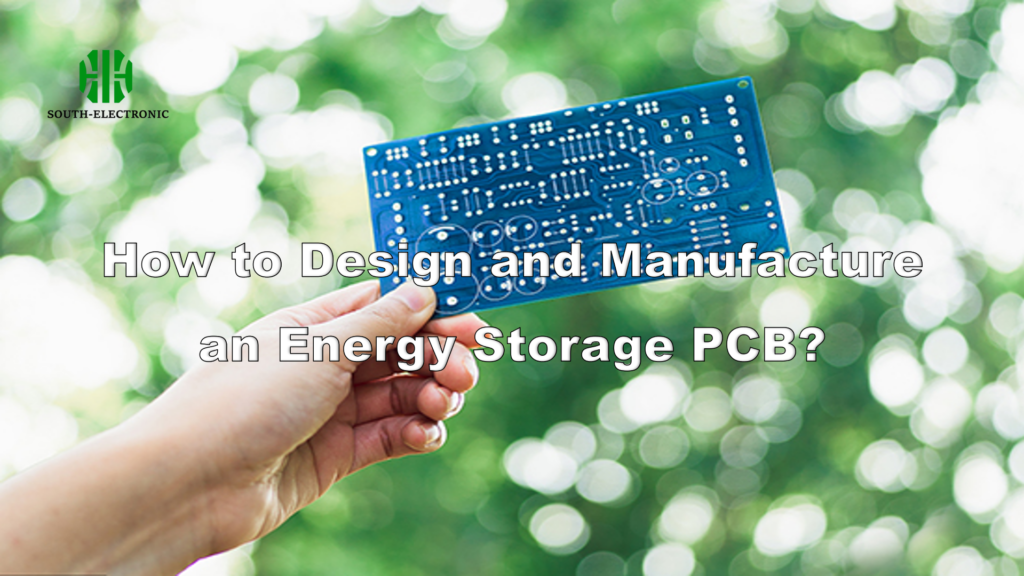
Master energy storage PCB reliability through thermal-conductive materials, multi-layer layouts, derated current paths & harsh validation testing. Prevent failures.
What is Gold Finger PCB?

Gold finger PCBs enable durable, reliable connections in servers/industry/military with 30k+ insertion cycles via gold-plated edge connectors.
What Is An Audio Amplifier PCB?
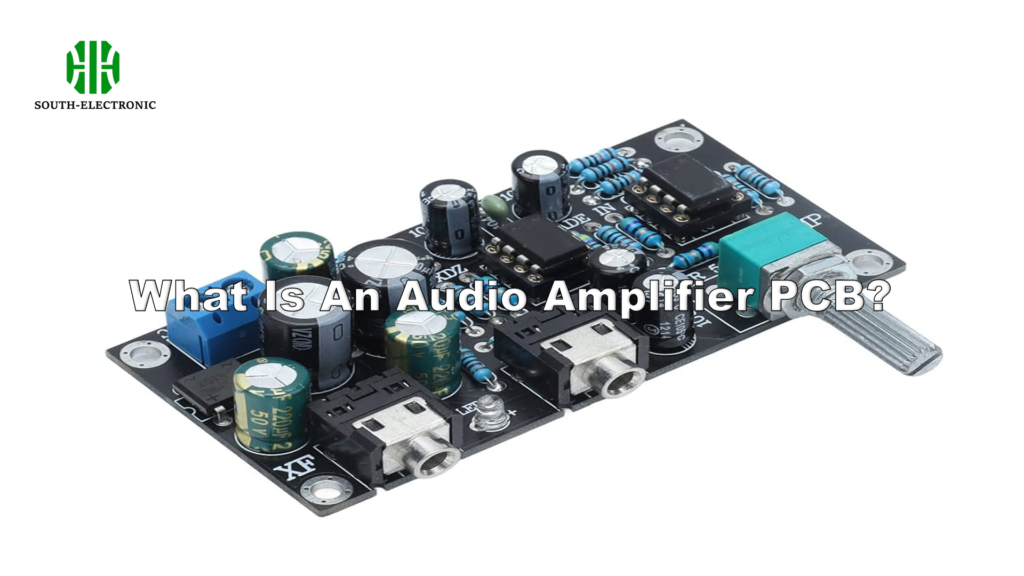
Audio amplifier PCBs boost signals with precision using component synergy, noise suppression, and optimized layouts for crystal-clear, distortion-free sound
Why Do Advanced DVR PCBs Outperform Traditional Solutions?
HDI/8-layer DVR PCBs with dynamic EMI filters maintain 4K@60fps in extreme temps, slashing failure rates by 67% in automotive use
What is Inverter PCB ?
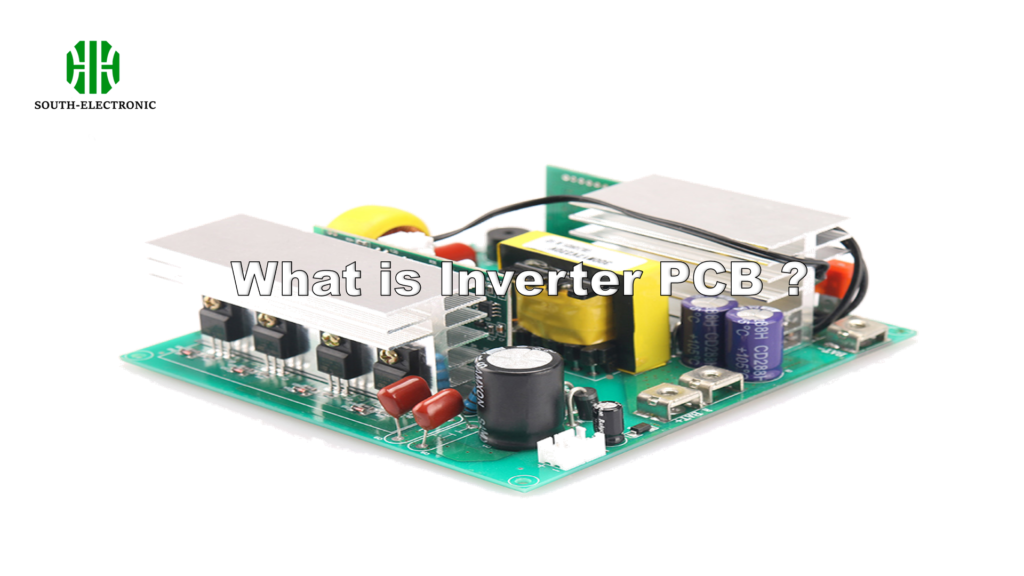
Inverter circuit boards transform DC to stable AC power, enabling solar systems, industrial automation, and UPS backups through precise component integration and switching tech.
What is a Heat Sink in a PCB?
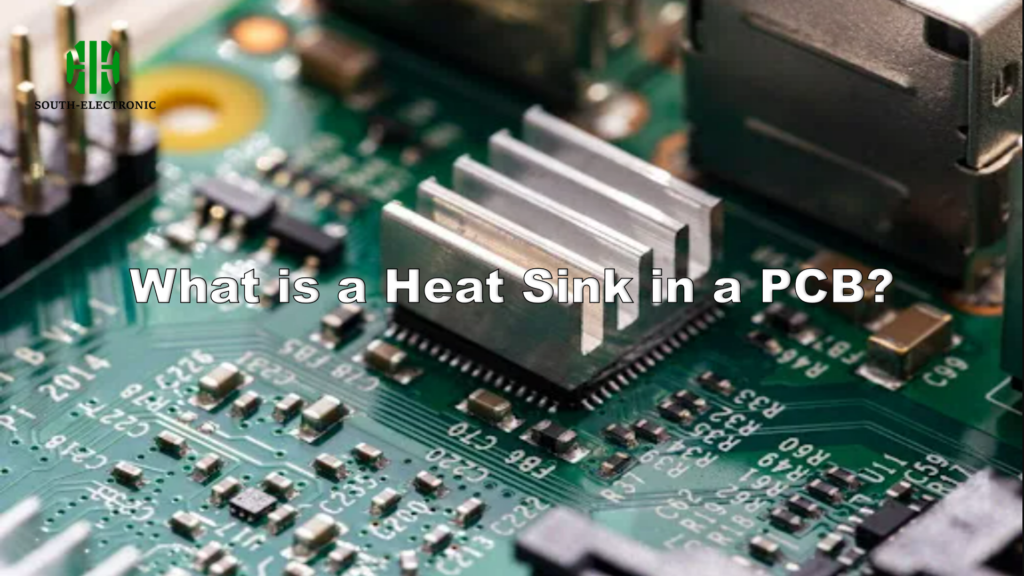
Compare ceramic vs aluminum heatsinks: cost, performance, failures. Optimize AI chip heatsink thickness and avoid overheating mistakes in PCB design.
What Is a Thin-Film Circuit Board?

Thin-film PCBs enable microscopic precision, extreme resilience, and 40+ GHz performance for aerospace, medical, and quantum systems.