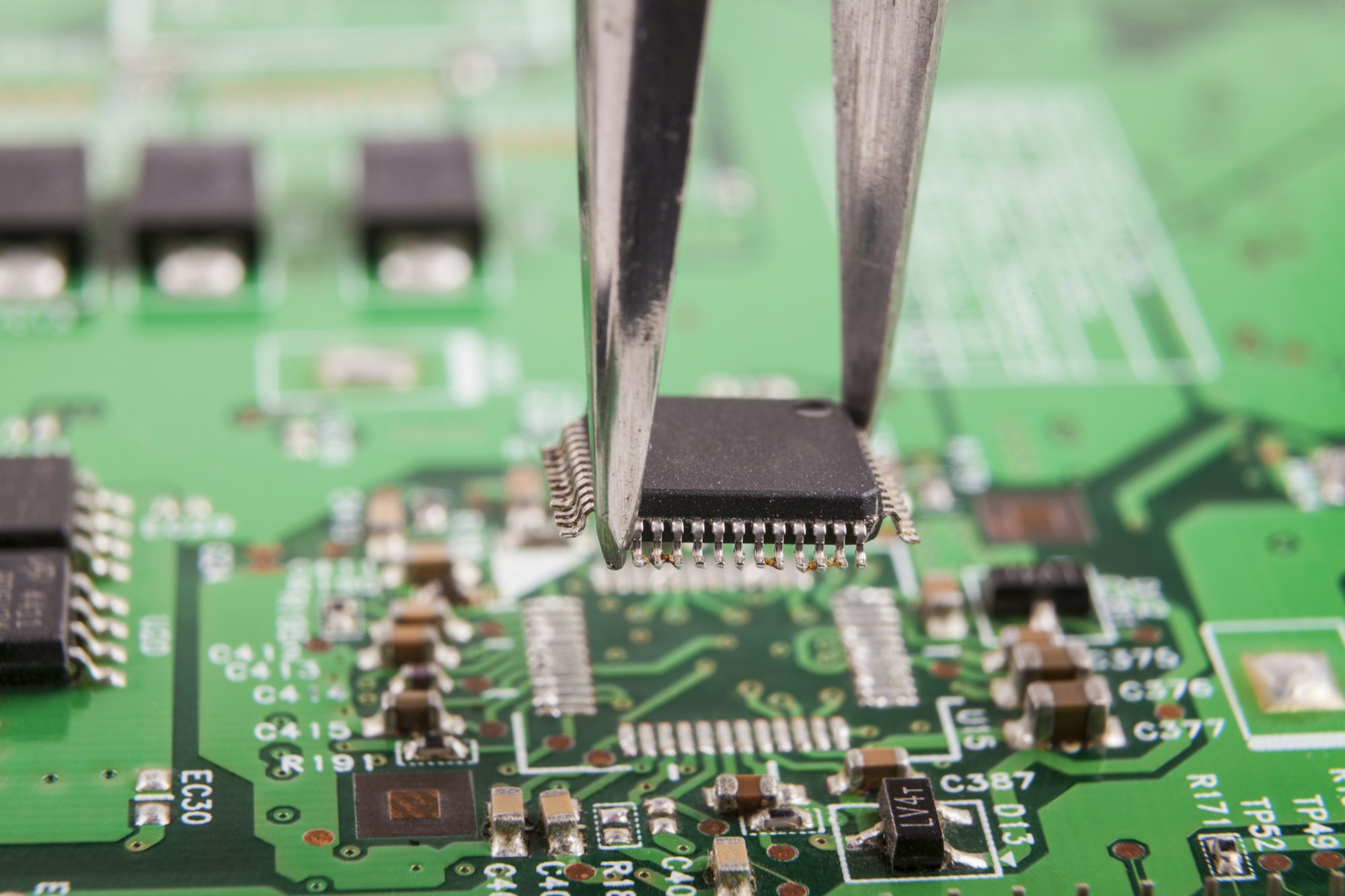
Are you curious about what makes electronics tick? Do you ever wonder where circuits begin? Uncover the foundational element of almost all electronic devices.
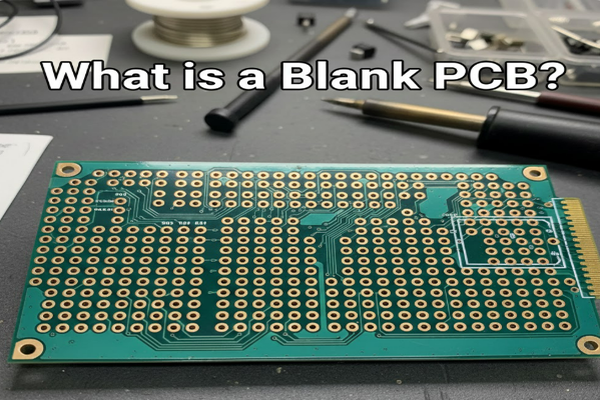
A blank PCB, also known as a bare PCB[^1], is a printed circuit board[^2] without any electronic components. It is the fundamental platform for electronic circuits, made of an insulating material with copper pathways. This allows for flexible and custom circuit design.
Every complex electronic device, from your smartphone to your car's engine control unit, starts with one key component: a blank PCB. It’s the canvas on which all electronic masterpieces are painted, and understanding it is the first step to truly grasping how our digital world functions. Join me as we explore this silent hero of electronics.
What are the benefits of using blank PCBs?
Do you want more control over your electronic projects? Are you looking for a cost-effective way to develop unique devices? Blank PCBs offer significant advantages for creators and manufacturers alike.
Blank PCBs provide a flexible and economical starting point for circuit design, allowing engineers to customize component placement and routing. They reduce manufacturing costs for prototypes[^3] and small-batch production, ensuring design integrity.

When I first started tinkering with electronics, I quickly learned the value of a blank PCB. It gave me the freedom to experiment, to fail, and to ultimately succeed without breaking the bank. This foundational element brings a range of practical benefits that impact design flexibility[^4], cost, and reliability.
Design Flexibility and Customization
Blank PCBs give you a clean slate. This means you can:
- Tailor layouts: Arrange components exactly as needed for optimal performance and size.
- Innovate: Design unique circuits that don't fit standard component arrangements.
- Adapt: Easily modify designs for different applications or specific project requirements.
| Benefit Category | Description | Impact |
|---|---|---|
| Cost Efficiency | Lower upfront costs for prototyping and small runs. | Reduces financial risk in early development stages. |
| Design Freedom | Allows complete customization of circuit layout and routing. | Enables unique and optimized electronic solutions. |
| Quality Control | Easier to inspect bare boards for defects before assembly. | Improves overall product reliability and reduces rework. |
| Scalability | Designs can be easily replicated for mass production. | Supports growth from prototype to large-scale manufacturing. |
Manufacturing and Prototyping
For manufacturers, blank PCBs streamline the process:
- Reduced lead times: Quickly produce prototypes without waiting for specialized boards.
- Cost savings: Avoid the expense of pre-assembled boards when only the bare structure is needed.
- Quality checks: Perform thorough inspections on the bare board, ensuring a solid foundation before costly components are added.
What are the different types of blank PCBs?
Confused by all the different materials and layers in circuit boards? Do you want to understand which blank PCB suits your project best? Knowing the types helps you choose wisely.
Blank PCBs vary by material, layer count, and flexibility, impacting their application and performance. Common types include single-sided, double-sided, multi-layer, and flexible PCBs[^5], each offering distinct electrical and mechanical properties.

When I was designing my first custom drone, selecting the right type of blank PCB was crucial. The choice directly affected its weight, durability, and signal integrity. Understanding these distinctions is not just academic; it's essential for bringing your electronic visions to life effectively.
Material Composition
The substrate material defines much of the PCB's characteristics.
- FR-4: The most common, made of woven fiberglass and epoxy resin. It's cost-effective and offers good electrical insulation.
- Aluminum-backed: Used for high-power applications, like LEDs, as it helps dissipate heat efficiently.
- Flexible materials: Polyimide is often used for flexible PCBs, allowing the board to bend and flex, ideal for compact or dynamic applications.
| PCB Type | Description | Typical Application | Key Feature |
|---|---|---|---|
| Single-Sided | One conductive layer on one side of the substrate. | Simple electronics, power supplies, LED lighting. | Most cost-effective, simplest. |
| Double-Sided | Conductive layers on both sides, connected by vias. | Consumer electronics, industrial controls. | Increased circuit density. |
| Multi-Layer | Multiple conductive layers separated by insulating layers. | Complex digital circuits, computers, servers. | High density, advanced routing. |
| Flexible (Flex) | Built on flexible plastic substrate, can bend and fold. | Wearable tech, medical devices[^6], aerospace. | Conforms to shapes, saves space. |
| Rigid-Flex | Combines rigid and flexible circuits, often multi-layer. | Laptops, cameras, high-performance military gear. | Combines best of both worlds. |
Layer Count and Structure
The number of conductive layers dictates complexity and density.
- Single-layer: Simple, for basic circuits. Think old radio boards.
- Double-layer: More complex, allows for components on both sides and more intricate routing.
- Multi-layer: Essential for high-density, high-speed applications like computer motherboards, enabling signals to cross over without interference.
What are the applications of blank PCBs?
Ever wonder where all those circuit boards end up? Do you want to see how this fundamental component powers our modern world? Blank PCBs are everywhere you look.
Blank PCBs are foundational in nearly all electronic devices, serving as the starting point for circuits in consumer electronics, industrial controls, automotive systems[^7], and medical equipment. They enable the creation of functional and reliable electronic hardware across diverse industries.

I remember the satisfaction of seeing my first custom PCB, which started as a blank board, finally powering a small robotic arm. It wasn't just a piece of fiberglass and copper anymore; it was the brain of my creation. Blank PCBs are truly the unsung heroes behind countless innovations, providing the backbone for technologies we rely on daily.
Consumer Electronics
From the device in your pocket to the appliances in your home, blank PCBs are integral.
- Smartphones and Tablets: High-density, multi-layer PCB[^8]s enable compact and powerful designs.
- Televisions and Displays: Control circuits for picture processing and input/output.
- Gaming Consoles: Complex multi-layer boards handle fast data processing and graphics.
| Application Sector | Examples of Devices | Why Blank PCBs are Crucial |
|---|---|---|
| Consumer Electronics | Smartphones, Laptops, Smart TVs, Wearables | Enables compact designs, mass production, and diverse functionalities. |
| Industrial Control | PLCs, Robotics, Automated Assembly Lines | Provides robust platforms for high reliability and durability. |
| Automotive | Engine Control Units (ECUs), Infotainment Systems, ABS | Withstands harsh environments, crucial for safety and performance. |
| Medical Devices | MRI machines, Pacemakers, Diagnostic Equipment | Ensures precision, reliability, and miniaturization for critical functions. |
| Aerospace & Defense | Satellites, Radar Systems, Avionics | Requires extreme reliability, performance, and specific material properties for harsh conditions. |
Industrial and Automotive Applications
Reliability and robustness are key in these sectors.
- Automotive: Engine control units (ECUs), navigation systems, and safety features like ABS all rely on durable PCBs.
- Industrial Automation: Programmable Logic Controllers (PLCs), robotic arms, and factory sensors use PCBs for precise control and communication.
- Power Electronics: Inverters, converters, and power management systems leverage PCBs for efficient energy transfer.
Medical and Aerospace Technology
Here, precision and resilience are paramount.
- Medical Devices: From pacemakers to MRI machines, PCBs are engineered for accuracy and safety.
- Aerospace: Satellite communication systems, aircraft avionics, and navigation equipment demand extremely reliable, high-performance PCBs that can withstand extreme conditions.
Conclusion
Blank PCBs are the silent foundation of almost every electronic device. They provide the flexibility and reliability needed for innovation across all industries.
[^1]: Learn about bare PCBs and their significance in the manufacturing of electronic devices. [^2]: Discover the workings of printed circuit boards and their importance in modern electronics. [^3]: Discover the advantages of prototyping in the development of electronic devices. [^4]: Understand the concept of design flexibility and its impact on electronic project outcomes. [^5]: Learn about flexible PCBs and how they are revolutionizing modern electronics. [^6]: Understand the specific requirements for PCBs in the medical device industry. [^7]: Explore the critical role of PCBs in enhancing the functionality of automotive systems. [^8]: Discover the advantages of multi-layer PCBs for complex electronic designs.