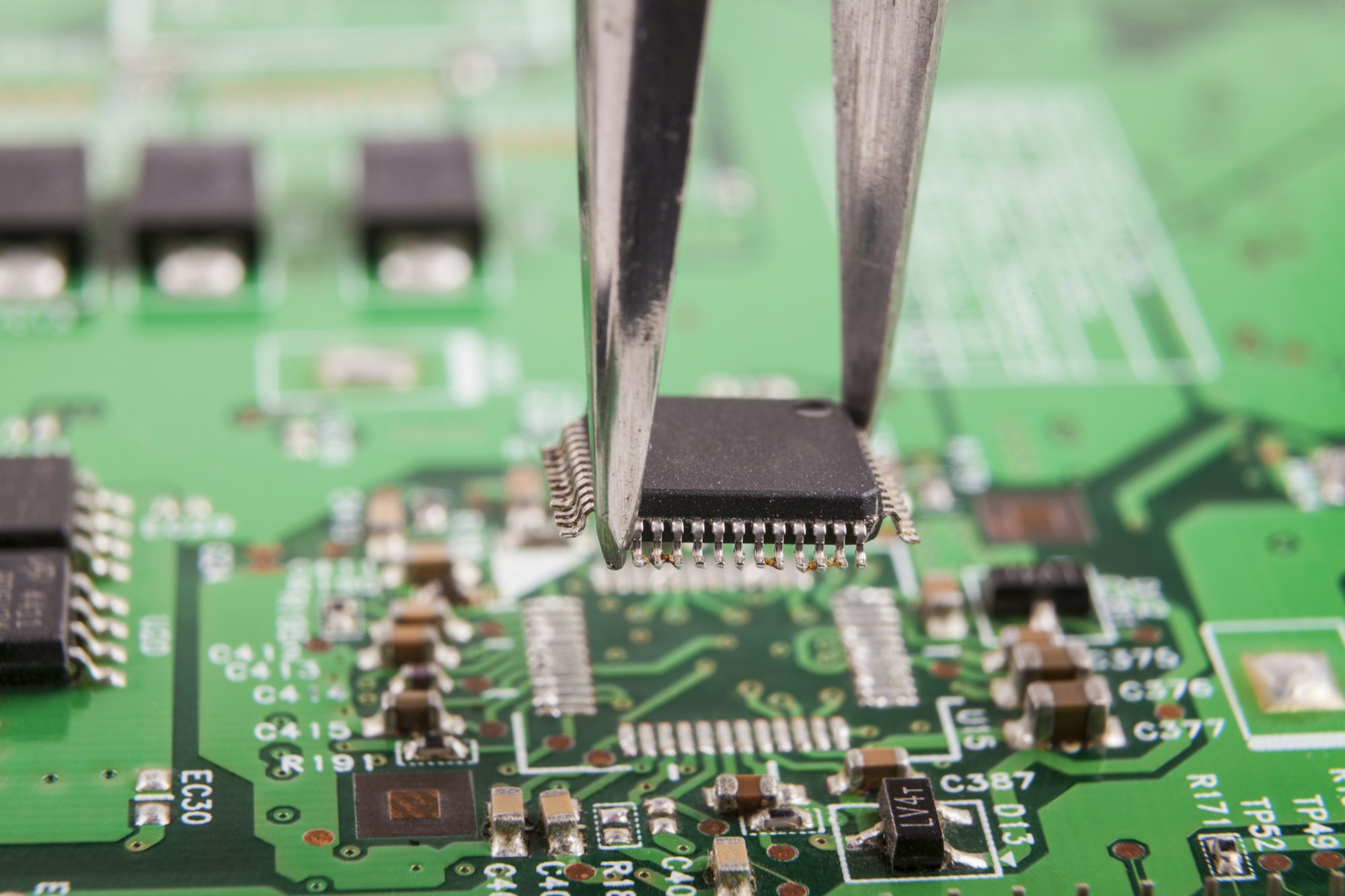

Have you ever opened an electronic device and felt overwhelmed by the tiny parts? This happens when you don’t recognize core components. Identify them to fix gadgets easily or design your projects.
The most common circuit board components include resistors (limit current), capacitors (store electricity), diodes (control flow direction), transistors (amplify signals), inductors (manage magnetic energy), ICs (do complex tasks), plus connectors, sensors, switches, relays, and LEDs. Knowing these helps troubleshoot and build circuits.
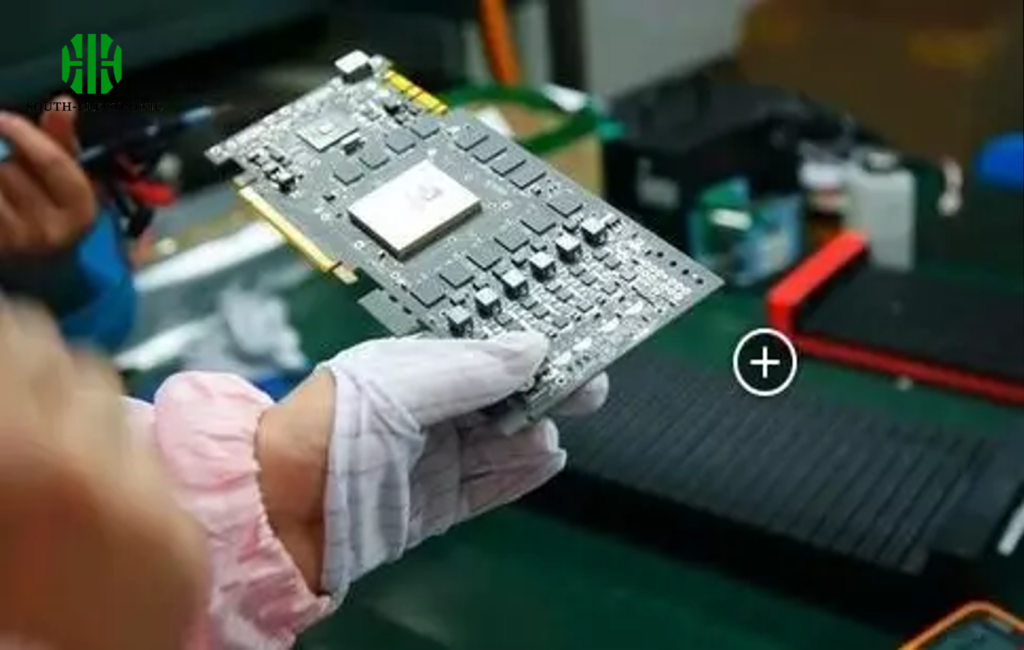
Now that you know the basics, let’s explore how they differ and how to choose them wisely.
Passive vs Active Circuit Board Components: What’s the Difference ?
Are passive and active components confusing you? Misusing them causes circuit failures. Learn the distinction to avoid design errors.
Passive components (resistors, capacitors, inductors) don’t need external power or amplify signals. Active components (diodes, transistors, ICs) require power to control or boost currents. The split depends on energy sourcing and signal behavior.
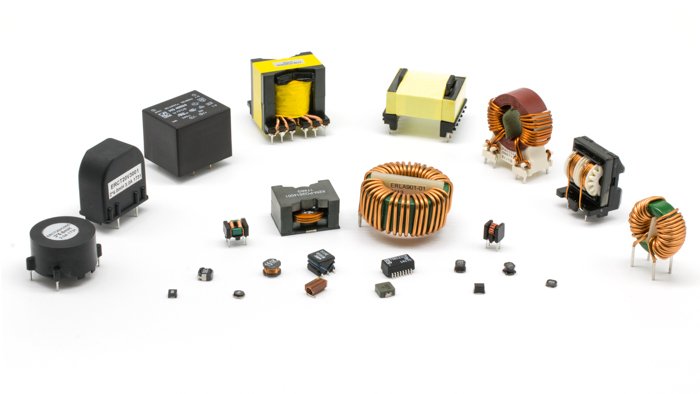
Breaking Down Component Functions
Passive elements handle energy without altering underlying signals. They respond linearly to inputs and often stabilize circuits. For example, resistors convert electricity into heat, while capacitors release stored charges during voltage dips.
Active components enable advanced functions. Despite needing external power, this boosts efficiency. Transistors, for instance, can switch circuits on/off using tiny control currents. This explains why smartphones rely heavily on active ICs for processing.
Choosing Passive or Active
| Factor | Passive Components | Active Components |
|---|---|---|
| Power Need | None required | Must have power supply |
| Signal Change | Cannot increase strength | Amplify or switch |
| Cost | Low (simple materials) | Higher (complex chips) |
| Heat Generated | Minimal | Can get hot |
| Use Cases | Basic filtration | Computing functions |
Pick passive for simple filtering jobs like smoothing power lines. Choose active for processor chips or amplifiers needing energy management. Compare noise levels too – passive elements cause less interference.
SMD vs Through-Hole: Which Circuit Board Component Technology Should You Choose?
Struggling to pick surface-mount or through-hole parts? Wrong choices ruin prototypes. Understand each type for smarter DIY decisions.
SMD (surface-mount) components solder directly onto boards, enabling compact designs and robot assembly. Through-hole components attach via wires inserted into holes, easing manual repairs. Select SMD for mass-produced gadgets; through-hole for test builds.
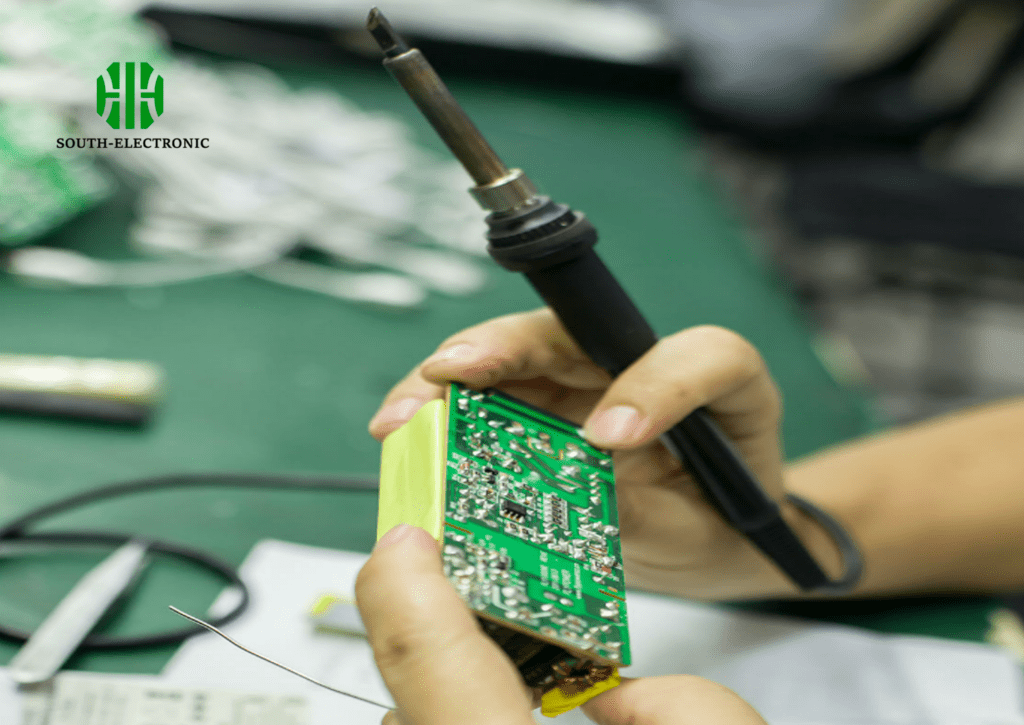
Long-Term Impact of Your Choice
SMD suits automated factories since machines place them quickly. The small size fits gadgets like smartwatches but can frustrate hand-soldering beginners. Dust or vibrations may loosen tiny solder joints over time.
Through-hole parts dominate prototyping. Their lead wires anchor firmly for repeated testing. This matters when swapping resistors in amplifiers. However, they hog space, blocking miniaturization in products like laptops.
Practical Selection Guide
| Criteria | SMD Technology | Through-Hole Technology |
|---|---|---|
| Board Space | Fits dense layouts | Needs more room |
| Assembly Speed | Fastest | Slower |
| Repairability | Hard to manually fix | Easy hand repair |
| High-Power Use | Prone to overheating | Better tolerance |
| Best For | Phones, tablets | Amplifiers, test boards |
If designing tiny devices, prioritize SMD. For thermal management in power tools like drills, through-hole handles heat better. Match your project’s scale and durability.
What Key Specifications Define a Circuit Board Component?
Dealing with confusing datasheets? Overlooked specs lead to burnt components. Focus on essentials to build reliable circuits.
Key specs include resistance/ohms (resistors), capacitance/voltage (capacitors), current tolerance (diodes), and package sizes (ICs). Know these numbers to match parts to power levels and environmental stresses.
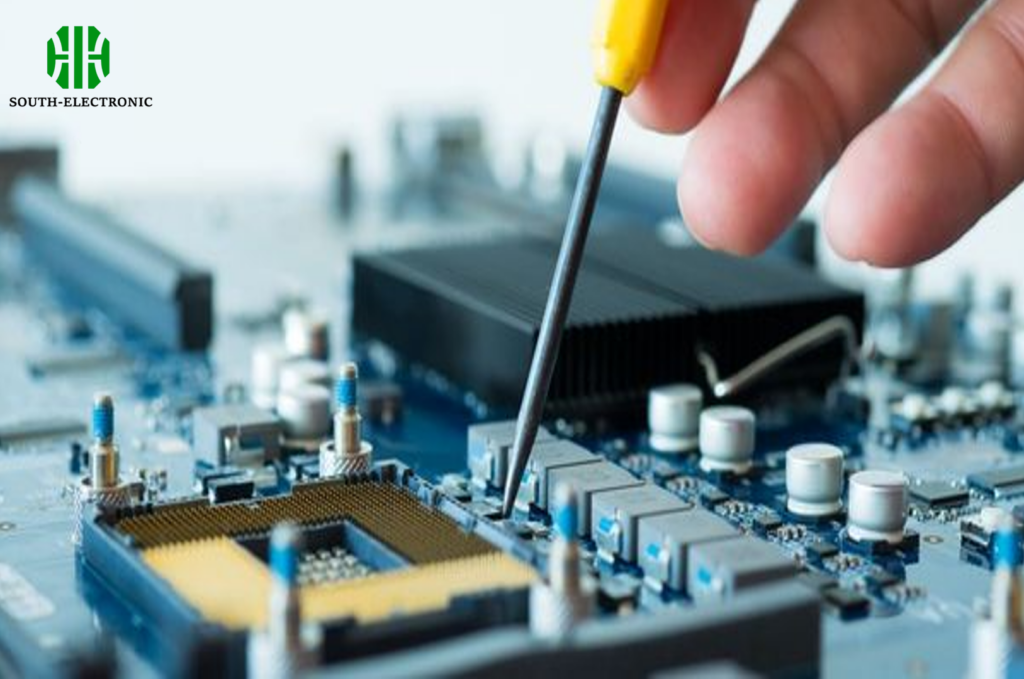
Why Specs Equal Safety
Ignoring voltage limits risks explosions. For example, capacitor voltage ratings must exceed circuit voltages to prevent leaking fluid. Similarly, diode current limits protect from meltdowns when blocking reverse flows.
Tolerances also matter. A ±20% capacitor performs unpredictably in precise clocks, but a ±1% resistor stabilizes medical sensors. Even package sizes affect heat dissipation – larger IC housings cool better in gear like car computers.
Must-Check Parameters by Component
| Component | Critical Spec | Example Values | Consequences of Ignoring |
|---|---|---|---|
| Resistor | Resistance | 1kΩ (1000 ohms) | Wrong current → burned part |
| Capacitor | Voltage rating | 50V | Short-circuit → explosion |
| Diode | Max forward current | 1A | Overload → permanent damage |
| Transistor | Power dissipation | 2W | Overheat → signal failure |
| IC | Input voltage range | 3.3V–5.5V | Voltage spike → chip death |
Measure thermal ranges too – industrial gear needs specs exceeding 85°C. Document all thresholds to prevent costly errors.
Conclusion
Recognize component names, types, installation methods, and specs to create functioning electronics. Start simple and upgrade your skills progressively.